
Chinese shelf · Shan Hai Jing · Book 2 of 18
西山經 · The Classic of the Western MountainsChinese with Guo Pu’s notes where the Hall has them, and a facing House English
The Chinese is the Hall’s public-domain text. The facing English is a House translation written from that Chinese on 26 November 2026. Uncertain readings are marked in the line and listed in UNCERTAIN.md.
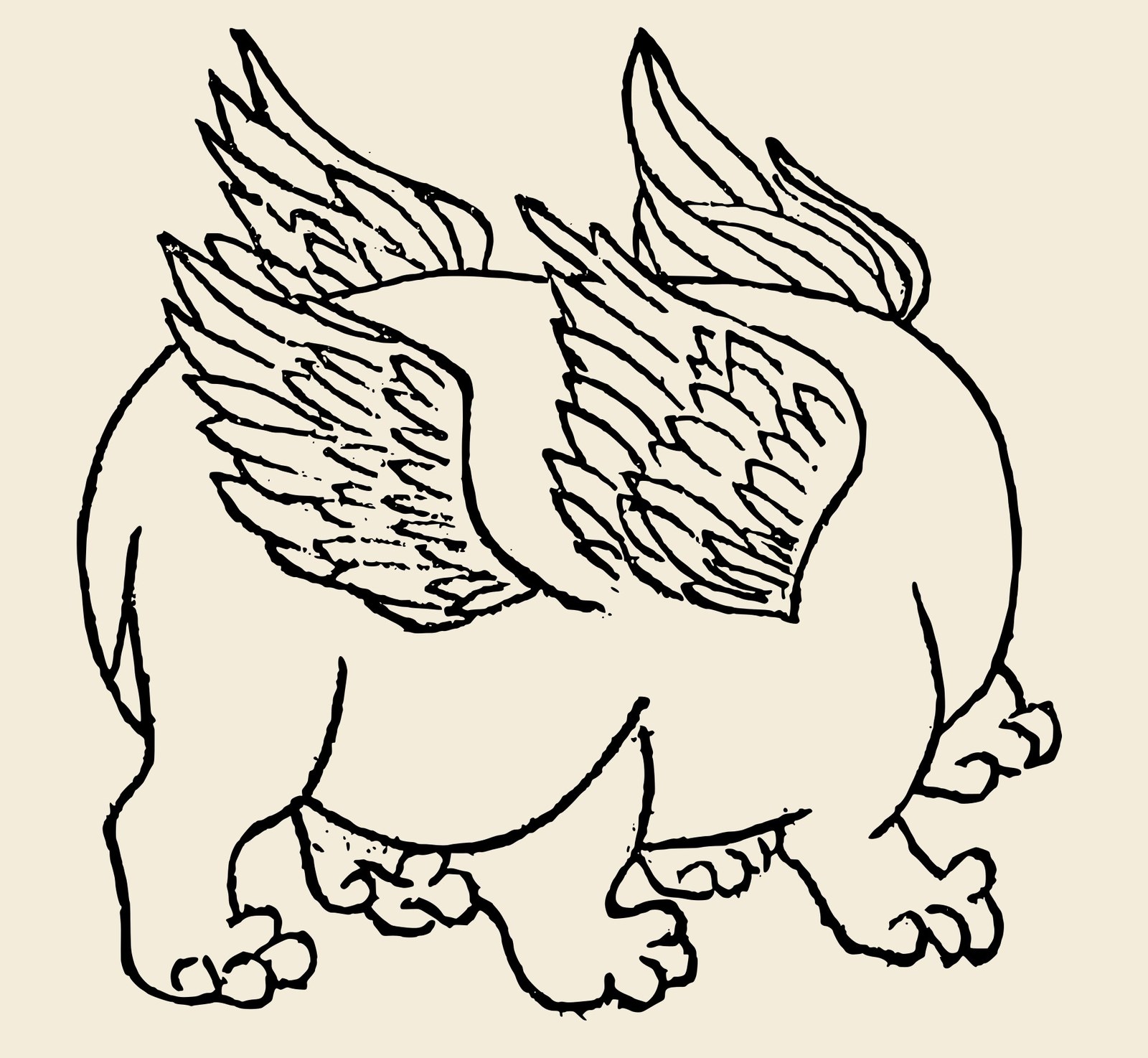

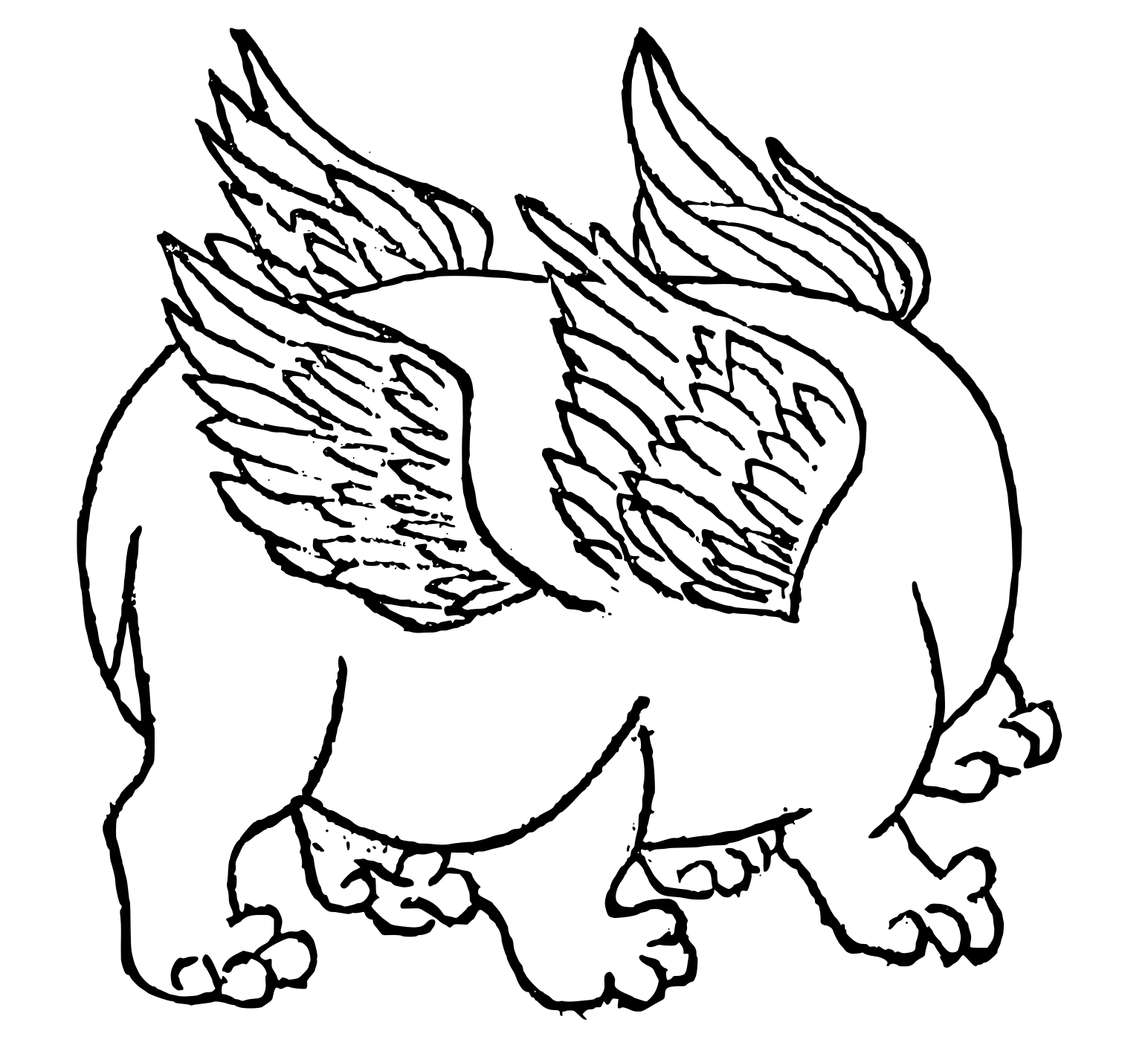
Chinese Siku Quanshu text, Hall wording
西山經之首
西山經華山之首,曰錢來之山,其上多松,其下多洗石(澡洗可以磢體,去垢圿。磢,初兩反)。有獸焉,其狀如羊而馬尾,名曰羬羊(今大月氐國有大羊如驢,而馬尾。《爾雅》云:羊六尺爲羬,謂此羊也。羬音針),其脂可以已腊(治體皴。腊音昔)。
西四十五里,曰松果之山。濩水出焉,北流注于渭,其中多銅。有鳥焉,其名曰䳋渠(䳋,音彤弓之彤),其狀如山雞,黑身赤足,可以已𦢊(謂皮皴起也。音叵駮反)。
又西六十里,曰太華之山(即西岳華陰山也。今在弘農,華陰縣西南),削成而四方(今山形上大下小,峭峻也),其高五千仞,其廣十里(仞,八尺也。上有明星玉女,持玉漿得上,服之即成仙。道險僻不通,時含神霧云),鳥獸莫居。有蛇焉,名曰肥𧔥,六足四翼,見則天下大旱(湯時此蛇見於陽山下。復有肥遺蛇,疑是同名)。
又西八十里,曰小華之山(即少華山),其木多荊杞,其獸多㸲牛(今華陽山中多山牛山羊,肉皆千斤,牛即此牛也,音昨),其陰多磬石(可以爲樂石),其陽多㻬琈之玉(㻬琈玉,名所未詳也。雩浮兩音),鳥多赤鷩(赤鷩,山雞之屬。胷腹、洞赤、冠金皆黃頭綠尾,中有赤毛,彩鮮明。音作蔽,或作鱉),可以禦火,其草有萆荔(萆荔,香草也。蔽戾兩音),狀如烏韭,而生於石上,亦緣木而生(鳥韭在屋者曰邪,在牆者曰垣衣),食之已心痛。
又西八十里,曰符禺之山,其陽多銅,其陰多鐵。其上有木焉,名曰文莖,其實如棗,可以已聾。其草多條,其狀如葵,而赤華黃實,如嬰兒舌,食之使人不惑。符禺之水出焉,而北流注于渭。其獸多蔥聾,其狀如羊而赤鬛。其鳥多鴖(音旻),其狀如翠而赤喙(翠似燕而紺色也),可以禦火(畜之辟火災也)。
又西六十里,曰石脆之山,其木多椶柟(椶樹高三丈許,無枝條,葉大而員。枝生梢頭,實皮相裏上。行一皮者爲一節,可以爲繩。一名栟櫚,音馬駿之駿),其草多條,其狀如韭,而白華黑實,食之已疥。其陽多㻬琈之玉,其陰多銅。灌水出焉,而北流注于禺水。其中有流赭(赭,赤土),以塗牛馬無病(今人亦以朱塗牛角,云以辟惡。或作角)。
又西七十里,曰英山,其上多杻橿(杻,似棣而細葉,一名土橿,音紐。橿木中車材,音姜),其陰多鐵,其陽多赤金。禺水出焉,北流注于招水(音韶),其中多䰷魚(音同蚌蛤之蚌),其狀如鼈,其音如羊。其陽多箭䉋(今漢中郡出䉋竹,厚裏而長節,根深,筍冬生地中,人掘取食之。䉋間媚),其獸多㸲牛羬羊。有鳥焉,其狀如鶉,黃身而赤喙,其名曰肥遺,食之已癘(癘,疫病也,或曰惡瘡。韓子曰:癘人憐主),可以殺蟲。
又西五十二里,曰竹山,其上多喬木(枝上竦者。音橋),其陰多鐵。有草焉,其名曰黃雚,其狀如樗,其葉如麻,白華而赤實,其狀如赭(紫赤色),浴之已疥,又可以已胕(治胕腫也。音符)。竹水出焉,北流注于渭,其陽多竹箭(箭篠也),多蒼玉。丹水出焉(今所在有丹水),東南流注于洛水,其中多水玉,多人魚(如蹄魚,四腳)。有獸焉,其狀如豚而白毛,大如笄而黑端(笄簪屬),名曰毫彘(狟猪也。夾髀有麄豪,長數尺,能以脊上毫射物,亦自此爲牝牡狟,或作豭。吳楚呼爲鸞猪,亦此類也)。
又西百二十里曰浮山,多盼木(音美目盼兮之盼),枳葉而無傷(枳,刺針也。能傷人,故名云),木蟲居之(在樹之中)。有草焉,名曰薰(音訓)草,麻葉而方莖,赤華而黑實,臭如蘼蕪(蘼蕪,香草。《易》曰:其臭如蘭。眉無兩音),佩之可以已癘。
又西七十里,曰羭次之山(音臾),漆水出焉(今漆水出岐山),北流注于渭。其上多棫橿(棫,白綏也,音域),其下多竹箭,其陰多赤銅,其陽多嬰垣之玉(垣,或作短、或作根、或作埋,傳寫謬錯,未得其詳)。有獸焉,其狀如禺而長臂,善投,其名曰嚻(亦在畏獸畫中,似獼猴投擲也)。有鳥焉,其狀如梟,人面而一足,曰橐𩇯(音肥),冬見夏蟄,服之不畏雷(著其毛羽令人不畏天雷也,或作災)。
又西百五十里,曰時山,無草木。逐水出焉,北流注于渭,其中多水玉。
又西百七十里,曰南山,上多丹粟。丹水出焉,北流注于渭。獸多猛豹(猛豹似熊而小,毛淺有光澤,能食蛇,食銅鐵,出蜀中),鳥多尸鳩(尸鳩,布穀類也,或曰鶘鸇也。鳩或作丘)。
又西四百八里,曰大時之山,上多榖、柞(柞櫟),下多杻、橿,陰多銀,陽多白玉。涔(音潛)水出焉,北流注于渭。清水出焉,南流注于漢水(今河內脩武縣縣北,黑山亦出清水)。
又西三百二十里,曰嶓(音波)塚之山(在今武都氐道縣南),漢水出焉,而東南流注于沔(至江夏安陸縣江即沔水);嚻水出焉,北流注于湯水。其上多桃枝鉤端(鉤端,桃枝屬),獸多犀兕熊羆(羆似熊而黃白色,猛憨能拔樹),鳥多白翰(白翰,白𪂂也。亦名𪂂雉,又曰白雉)赤鷩。有草焉,其葉如蕙(蕙,香草、蘭屬也,或以蕙叶失之,音惠),其本(本,根也)如桔梗,黑華而不實,名曰蓇蓉(《爾雅釋草》曰:榮而不實謂之蓇,音骨)。食之使人無子。
又西三百五十里,曰天帝之山,上多椶枏,下多菅蕙(管茅類也)。有獸焉,其狀如狗,名曰谿邊,席其皮者不蠱。有鳥焉,其狀如鶉,黑文而赤翁(翁,頭下毛,音汲甕之甕),名曰櫟(音沙礫之礫),食之已痔。有草焉,其狀如葵,其臭如蘼蕪,名曰杜衡(香草也),可以走馬(帶之令人便馬,或曰馬得之而捷走),食之已癭。
西南三百八十里,曰塗途之山,薔(音色)水出焉,西流注于諸資之水;涂水出焉,南流注于集獲之水。其陽多丹粟,其陰多銀、黃金,其上多桂木。有白石焉,其名曰礜(今礜石殺鼠。音豫,蚕食之而肥。),可以毒鼠。有草焉,其狀如稾茇(稾茇,香草。),其葉如葵而赤背,名曰無條,可以毒鼠。有獸焉,其狀如鹿(前伸兩腳似人手。)而白尾,馬腳人手而四角,名曰𤣎(音猳嬰之嬰)如。有鳥焉,其狀如鴟而人足,名曰數斯,食之已癭。
又西百八十里,曰黃山(今始平槐里縣有黃山,上故有宮,漢惠帝所起疑非此。),無草木,多竹箭。盼(音美目眄兮之眄。)水出焉,西流注于赤水,其中多玉。有獸焉,其狀如牛,而蒼黑大目,其狀曰𤛎。有鳥焉,其狀如鴞,青羽赤喙,人舌能言,名曰鸚䳇(鸚䳇舌似小儿舌,脚指前後各兩。扶南徼外出五色者,其亦有純赤、白者,大如鴈也)。
又西二百里,曰翠山,其上多椶枏,其下多竹箭,其陽多黃金、玉,其陰多旄牛、麢、麝(麢似羊而大角,細食,好在山崖間;麝似獐而小,有香);其鳥多鸓(音壘),其狀如鵲,赤黑而兩首四足,可以禦火。
又西二百五十里,曰騩山(音巍,一音隗囂之隗),是錞于西海(錞猶堤埻也,音章閏反),無草木,多玉。淒水出焉,西流于於海,其中多采石、黃金(采石,石有采色者,今雌黃,空青綠碧之屬),多丹粟。
凡西經之首,自錢來之山至於騩山,凡十九山,二千九百五十七里。華山冢也(冢者,神鬼之所舍也),其祠之禮:太牢(牛、羊、豖爲太牢)。羭山神也,祠之用燭,齋百日以百犧(牲純色者爲犧),瘞用百瑜(瑜亦美玉名,音臾),湯其酒百樽(溫酒令熱),嬰以百珪百璧(嬰謂陳之以環祭也。或曰嬰即古罌字,謂盂也。徐州云《穆天子傳》曰:「黃金之嬰」之屬也)。其餘十七山之屬,皆毛牷,用一羊祠之(牷謂牲體全具也。《左傳》曰:「牷牲,肥腯者也。」)。燭者百草之未灰,白席采等純之(純,緣也,五色純之等差。其文䌽也,《周禮》莞席紛純)。
西次二經
《西次二經》之首,曰鈐山(音髠鉗之鉗,或作泠,又作塗。),其上多銅,其下多玉,其木多杻、橿。
西二百里,曰㤗(或作秦。)冒之山,其陽多玉,其陰多鐵。浴水出焉,東流注于河,其中多藻玉(藻玉,玉有符彩者,或作柬,音練。),多白蛇(水蛇。)。
又西一百七十里,曰數歷之山,其上多黃金,其下多銀,其木多杻橿,其鳥多鸚䳇。楚水出焉,而南流注于渭,其中多白珠(今蜀郡平澤出青珠,尸子曰:水員折者有珠。)。
又西北五十里高山,其上多銀,其下多青碧(碧亦玉𩔖也,今越巂㑹稽縣東山出碧。)、雄黃(晉大興三年髙平郡界有山崩,其中出數千斤雄黃。),其木多椶,其草多竹。涇水出焉,而東流注于渭(今涇水出安定,朝那縣西井頭山,至京兆髙陵縣入渭也),其中多磬石(書曰:泗濱,浮磬是也。)、青碧。
西南三百里,曰女牀之山,其陽多赤銅,其陰多石涅(即楚石也,楚人名為涅石,秦名為羽涅也,本草經亦名曰石涅也。),其獸多虎豹犀兕。有鳥焉,其狀如翟而五采文(翟似雉而大長尾,或作𪇱。𪇱,鵰屬也。),名曰鸞鳥,見則天下安寧(舊說鸞似鷄,瑞鳥也。周成王時,西戎獻之。)。
又西二百里,曰龍首之山,其陽多黃金,其陽多鐵。苕水出焉,東南流注于涇水,其中多美玉。
又西二百里,曰鹿臺之山(今在上郡。),其上多白玉,其下多銀,其獸多㸲牛、羬羊、白豪(豪,貆豬也。)。有鳥焉,其狀如雄雞而人面,名曰鳧徯,其鳴自叫也,見則有兵。
西南二百里,曰鳥危之山,其陽多磬石,其陰多檀楮(楮即榖木。),其中多女牀(未詳。)。鳥危之水出焉,西流注于赤水,其中多丹粟。
又西四百里,曰小次之山,其上多白玉,其下多赤銅。有獸焉,其狀如猿,而白首赤足,名曰朱厭,見則大兵(一作見則有兵起焉一作見則為兵)。
又西三百里,曰大次之山,其陽多堊(堊似土,色甚白,音惡。),其陰多碧,其獸多㸲牛、麢羊。
又西四百里,曰薰吳之山,無草木,多金玉。
又西四百里,曰厎(音㫖。)陽之山,其木多㮨(稷似松,有刺細理。音即。豫章,大木似楸葉,冬夏青生七年,而後復可知也。)、枏、豫章,其獸多犀、兕、虎、犳(犳,音之樂反。)、㸲牛。
又西二百五十里,曰眾獸之山,其上多㻬琈之玉,其下多檀楮,多黃金,其獸多犀兕。
又西五百里,曰皇人之山,其上多金玉,其下多青雄黃(即雌黃也,或曰空青曽青之屬。)。皇水出焉,西流注于赤水,其中多丹粟。
又西三百里,曰中皇之山,其上多黃金,其下多蕙、棠(彤棠之屬也,蕙或作羔。)。
又西三百五十里,曰西皇之山,其陽多黃金,其陰多鐵,其獸多麋(麋大如小牛,鹿屬也。)、鹿、㸲牛。
又西三百裏五十里,曰萊山,其木多檀楮,其鳥多羅羅(羅羅之鳥所未詳也。),是食人。
凡《西次二經》之首,自鈐山至於萊山,凡十七山,四千一百四十里。其十神者,皆人面而馬身。其七神皆人面而牛身,四足而一臂,操杖以行:是為飛獸之神;其祠之,毛用少牢(羊猪為少牢也。),白菅為席。其十軰(音背。)神者,其祠之,毛一雄雞,鈐而不糈(鈐,所用祭器名,所未詳也,或作思,訓祈不糈,祠不以米。);毛采(言用雄色雞也。)。
西次三經
《西次三經》之首,曰崇吾之山,在河之南,北望冢遂(山名。),南望䍃(音遥。)之澤,西望帝之搏(搏或作薄。)獸之丘,東望䗡(音於然反。)淵。有木焉,員葉而白柎(今江東人呼草木子房為柎,音府,一曰柎花下鄂,音丈夫字,或作柎,音符),赤華而黑理,其實如枳,食之宜子孫。有獸焉,其狀如禺而文臂,豹虎而善投,名曰舉父(或作夸父。)。有鳥焉,其狀如鳧,而一翼一目,相得乃飛,名曰蠻蠻(比翼鳥也,色青赤,不比不能飛,爾雅作鶼鶼鳥也。),見則天下大水。
西北三百里,曰長沙之山。泚(音紫。)水出焉,北流注于泑(烏交反,又音黝,水色黑也。)水,無草木,多青雄黃。
又西北三百七十里,曰不周之山(此山形有缺不周匝處因名云西北不周風自此山出)。北望諸毗之山,臨彼嶽崇之山,東望泑澤,河水所潛也,其原渾渾泡泡(河南出崑崙,潛行地下至葱嶺,出于闐國,復分流歧出,合而東流,注泑澤,已復潛行,南出于積石山,而為中國河也,名泑澤,即蒲澤一名,蒲昌海廣三、四百里,其水停,冬夏不増減,去玉門關三百餘里,即河之重源,所謂潛行也。渾渾泡泡,水濆湧之聲也,袞咆二音。)。爰有嘉果,其實如桃,其葉如棗,黃華而赤柎,食之不勞。
又西北四百二十里,曰峚(音宻。)山,其上多丹木,員葉而赤莖,黃華而赤實,其味如飴,食之不饑。丹水出焉,西流注于稷澤(后稷神所馮,因名云。),其中多白玉。是有玉膏,其原沸沸湯湯(玉膏湧出之貌也,河圖玉版曰少室山其上有白玉膏,一服即仙矣,亦此𩔖也。沸,音拂。),黃帝是食是饗(所以得登龍於鼎湖,而龍蛻也。)。是生玄玉(言玉膏中,又出黑玉也。)。玉膏所出,以灌丹木,丹木五歲,五色乃清(言光鮮也。),五味乃馨(言滋香也。)。黃帝乃取峚山之玉榮(謂玉華也,離騷曰:懐琬琰之華英,又曰登崑崙兮,食玉英汲冢書,所謂苕華之玉。),而投之鍾山之陽(以為玉種。)。瑾瑜之玉為良(言最善也,或作食覲臾兩音。),堅粟精密(說玉理也,禮記曰:瑱密似粟,粟或作栗玉,有粟文,所謂榖璧也。),濁澤有而光(濁謂潤厚。)。五色發作(言符彩互映,色王子靈,符應曰:赤如雞冠,黃如蒸栗,白如割肪,黑如醇漆,玉之符彩也。),以和柔剛(言玉協九徳也。)。天地鬼神,是食是饗(玉所以祈祭者,言能動天地感鬼神。);君子服之,以禦不祥(今徼外出金剛石,石屬而似金有光彩,可以刻玉,外國人帶之云辟惡氣,亦此𩔖也。)。自峚山至于鍾山,四百六十裏,其閒盡澤也。是多奇鳥、怪獸、奇魚,皆異物焉。
又西北四百二十里,曰鍾山。其子曰皷(此亦神名,名之為鍾山之子耳,其𩔖皆見歸藏啓筮。),其狀如人面而龍身(啓筮曰,麗山之子青羽,人面馬身,亦似此狀也。),是與欽䲹(音邳。)殺葆(葆或作祖。)江于昆侖之陽,帝乃戮之鍾山之東曰𡺯(音遥。)崖。欽䲹化為大鶚(鶚,鵰屬也,音鄂。),其狀如雕而黑文白首,赤喙而虎爪,其音如晨鵠(晨鵠,鶚屬,猶云晨鳬耳,說苑曰,緤吠犬比奉晨鳬也。),見則有大兵;鼓亦化為鵕(音俊。)鳥,其狀如鴟,赤足而直喙,黃文而白首,其音如鵠,見則其邑大旱(穆天子傳云:鍾山作舂字,音同耳,穆王北升此山,以望四野,曰鍾山,是惟天虎下之髙山也,百獸之所聚,飛鳥之所栖也,爰有赤豹、白白鳥、青鵰、執犬羊、食豕鹿,穆王五日觀于鍾山,乃為銘迹於𤣥圃之上,以詔後世。)。
又西百八十里,曰泰器之山。觀水出焉,西流注于流沙。是多文鰩(音遥。)魚,狀如鯉魚,魚身而鳥翼,蒼文而白首,赤喙,常從西海遊于東海,以夜飛。其音如鸞雞(鸞雞,鳥名,未詳,也或作欒。),其味酸甘,食之已狂,見則天下大穰(豐穰,收熟也,韓子曰,穰嵗之秋。)。
又西三百二十里,曰槐江之山。丘時之水出焉,而北流注于泑水。其中多蠃母(即䗱螺也。),其上金青雄黃,多藏琅玕(琅玕石,似珠者,藏猶𨼆也,郎干二音。)、黃金、玉,其陽多丹粟。其陰多采黃金銀。實惟帝之平圃(即𤣥圃也,穆天子傳曰:乃為銘迹於𤣥圃之上,謂刋石紀功徳,如秦皇漢武之為者也。),神英招(司主也,招,音韶。)司之,其狀馬身而人面,虎文而鳥翼,狥(狥謂周行也。)于四海,其音如橊(音畱,或作籕,此所未詳也。)。南望昆侖,其光熊熊,其氣魂魂(皆光氣炎盛,相焜燿之貌。)。西望大澤,后稷所潛也(后稷生而靈知,及其終化形,遯此澤而為之神,亦猶傅說騎箕尾也。);其中多玉,其陰多榣木(榣木,大木也,言其上復生,若木大,木之竒靈者,為若見。尸子國語曰:榣木不生花也。)之有若。北望諸毗(山名。),槐鬼離侖(離侖,其神名)居之,鷹鸇(鸇,亦鴟屬也。莊周曰:鴟鴉甘鼠,穆天子傳云:鍾山上有白鳥、青雕,皆此族𩔖也。)之所宅也。東望恒山四成(成亦重也,爾雅云:再成曰英也。),有窮鬼居之,各在一搏(搏,猶脅也,言羣鬼各以𩔖聚,處山四脅,有窮其㹅,號耳搏,一作摶。)。爰有滛水(水留下之貌也。滛,音遥也。),其清洛洛。有天神焉,其狀如牛,而八足二首馬尾,其音如勃皇(勃皇,未詳。),見則其邑有兵。
西南四百里,曰昆侖之丘,是實惟帝之下都(天帝都邑之在下者也,穆天子傳曰:吉日辛酉,天子升于崑崙之丘,以觀黃帝之宮,而封豐隆之葬,以詔後世言,増封於昆崙山之上。),神陸吾司之(即肩吾也。莊周曰:肩吾得之,以處大山也。)。其神狀虎身而九尾,人面而虎爪;是神也,司天之九部及帝之囿時(主九城之部界,天帝苑囿之時節也。)。有獸焉,其狀如羊而四角,名曰土螻,是食人。有鳥焉,其狀如蠭,大如鴛鴦,名曰欽(欽,或作爰,或作至也。)原,蠚鳥獸則死,蠚木則枯,有鳥焉,其名曰鶉鳥,是司帝之百服(服,器服也,一曰服事也,或作藏。)。有木焉,其狀如棠(棠,梨也。),黃華赤實,其味如李而無核,名曰沙棠,可以禦水,食之使人不溺(言體浮輕也,沙棠為木,不可得沉。呂氏春秋曰:果之美者,沙棠之實,銘曰安得,沙棠刻以為舟泛,彼滄海以遨以遊。)。有草焉,名曰薲(音頻。)草,其狀如葵,其味如蔥,食之已勞(呂氏春秋曰:菜之美者,崑崙之蘋。)。河水出焉(出山東北隅也。),而南流注于無逹(山名。)。赤水出焉(出山東南隅也。),而東南流注于氾天之水(氾天,亦山名,赤水所窮也。穆天子傳曰:遂宿于崑崙之側,赤水之陽,陽,水北也,氾,浮劒反。)。洋水出焉(出山西北隅,或作清。),而西南流注于醜塗之水(醜塗,亦山名也,皆在南極。穆天子傳曰:戊辰濟洋水,又曰觴天子洋水也。)。黑水出焉(亦出西北隅也。),而西流于大杅(山名也,穆天子傳曰:乃封長肱于黑水之西河,是惟崑崙鴻鷺之上,以為周室主。杅,音于。)。是多怪鳥獸(謂有一獸,九首,有一鳥,六首之屬也。)。
又西三百七十里,曰樂遊之山。桃水出焉,西流注于稷澤,是多白玉,其中多䱻(音滑。)魚,其狀如蛇而四足,是食魚。
西水行四百里,曰流沙,二百裏至于蠃母之山,神長乘司之,是天之九德也(九徳,九氣所生。)。其神狀如人而犳(之藥反。)尾。其上多玉,其下多青石而無水。
又西三百五十里,曰玉山(此山多玉石,因以名云。穆天子傳謂之羣玉之山,見其山河無險,四徹中繩,先王之所謂策府,寡草木,無鳥獸,穆王於是攻其玉石,取玉石版三,乗玉器服物,載玉萬隻,以歸雙玉為㲄,半㲄為隻。),是西王母所居也。西王母其狀如人,豹尾虎齒而善嘯,蓬髪戴勝(蓬頭亂髪,勝玉勝也,音龎,是司天之厲及五殘,主知災厲五刑殘殺之氣也。穆天子傳曰:吉日,甲子,天子賓于西王母,執𤣥圭白璧,以見西王母,獻錦組百縷,金玉百斤,西王母再拜受之;乙丑,天子觴西王母于瑤池之上,西王母為天子謡曰:白雲在天山陵,自出道里,悠逺山川間之,將子無死尚復能來。天子畣之曰:予還東土和理諸夏萬民,均平吾顧見汝,比及三年,將復而野。西王母又為天子吟曰:徂彼西土,爰居其所虎豹,為羣鳥鵲與處,嘉命不遷我,惟帝女彼何,世民又將去,子吹笙鼓簧中心,翺翔世民之子,惟天之望,天子遂驅升于奄山,乃紀迹于奄山之石,而樹之槐眉,曰西王母之山,奄山即崦嵫山也,案竹書穆王五十七年,西王母來見賔于昭宮,舜時西王母遣使,獻玉環見禮三朝。),是司天之厲及五殘。有獸焉,其狀如犬而豹文,其角如牛(或作羊。),其名曰狡,其音如吠犬,見則其國大穰(晉太康七年,邵陵扶夷縣檻得一獸,狀如豹文有二角,無前兩腳,時人謂之狡疑非此。)。有鳥焉,其狀如翟而赤,名曰胜(音姓。)遇,是食魚,其音如錄(音緑,義未詳。),見則其國大水。
又西四百八十里,曰軒轅之丘(黃帝居此丘,娶西陵氏女,因號軒轅丘。),無草木。洵(音詢。)水出焉,南流注于黑水,其中多丹粟,多青雄黃。
又西三百里,曰積石之山,其下有石門,河水冒以西流(冒,猶覆也。積石山今在金城河門關西南,羌中河水行塞外,東入塞內。),是山也,萬物無不有焉(水經引山海經云,積石山在鄧林山東,河所入也。)。
又西二百里,曰長留之山,其神白帝少昊(少昊,金天氏,帝摯之號也。)居之。其獸皆文尾(或作長。),其鳥皆文首(文或作長。)。是多文玉石。實惟員神磈(音隗。)氏之宮。是神也,主司反景(日西入則景反,東照主司察之。)。
又西二百八十里,曰章莪之山,無草木,多瑤碧(碧亦玉屬。)。所為甚怪(多有非常之怪。)。有獸焉,其狀如赤豹,五尾一角,其音如擊石,其名如猙(京氏易義曰:音如石相擊,音靜。)。有鳥焉,其狀如鶴,一足,赤文青質而白喙,名曰畢方,其鳴自叫也,見則其邑有譌火(譌亦妖訛字。)。
又西三百里,曰陰山。濁浴之水出焉,而南流注于蕃澤,其中多文貝(餘泉蚳之𩔖也,見爾雅。)。有獸焉,其狀如狸(或作豹。)而白首,名曰天狗,其音如榴榴(或作猫猫。),可以禦凶。
又西二百里,曰符愓(音陽。)之山,其上多椶枏,下多金玉。神江疑居之。是山也,多怪雨,風雲之所出也。
又西二百二十里,曰三危之山(今在燉煌郡,尚書云:竄三苗于三危是也。),三青鳥居之。是山也,廣員百里(三青鳥主,為西王母取食者,別自棲息於此山也。竹書曰,穆王西征,至于青鳥所解也。)。其上有獸焉,其狀如牛,白身四角,其豪如披蓑(蓑,辟雨之衣也,音梭。),其名曰𢕟𢓨(傲噎二音。),是食人。有鳥焉,一首而三身,其狀如𪇱,其名曰鴟(𪇱似雕,黒文赤頸,音洛。下句或云扶狩則短,扶木則枯,應在上欽,原下脫錯在此耳。)。
又西一百九十里,曰騩山,其上多玉而無石。神耆童(耆童,老童,顓頊之子。)居之,其音常如鍾磬。其下多積蛇。
又西三百五十里,曰天山,多金玉,有青雄黃。英水出焉,而西南流注于湯谷。有神焉,其狀如黃囊,赤如丹火(體色黃,而精光赤也。),六足四翼,渾敦無面目,是識歌舞,實為帝江也(夫形無全者,則神自然靈照精無見者,則闇與理㑹,其帝江之謂乎,莊生所云中央之帝混沌為儵忽所鑿,七竅而死者,蓋假此以寓言也。)。
又西二百九十里,曰泑(泑,音黝黒之黝。)山,神蓐收居之(亦金神也,人面虎爪,白尾執鉞,見外傳云。)。其上多嬰垣之玉(未詳。),其陽多瑾瑜之玉,其陰多青雄黃。是山也,西望日之所入,其氣員(日形員,故其氣象亦然也。),神紅光之所司也(未聞其狀。)。
西水行百里,至于翼望之山(或作土翠山。),無草木,多金玉。有獸焉,其狀如狸,一目而三尾,名曰讙(讙,音歡,或作原。),其音如奪百聲(言其能作百種物聲也,或曰奪百物,名亦所未詳。),是可以禦凶,服之已癉(黄癉病也,音旦。)。有鳥焉,其狀如烏,三首六尾而善笑,名曰鵸鵌(猗餘兩音。),服之使人不厭(不厭夢也。周書曰:服者不昩,音莫禮反,或曰眯,眯目也。),又可以禦凶。
凡《西次三經》之首,崇吾之山至于翼望之山,凡二十三山,六千七百四十四里。其神狀皆羊身人面。其祠之禮,用一吉玉瘞(玉加采色者也,尸子曰:吉玉大龜。),糈用稷米。
西次四經
《西次四經》之首,曰陰山,上多穀,無石,其草多𦮉蕃(茆蕃葵也蕃青蕃似莎而大夘煩兩音)。陰水出焉,西流注于洛。
北五十里,曰勞山,多茈草(一名茈䓞中染紫也)。弱水出焉,而西流注于洛。
西五十里,曰罷父之山,洱(音耳)水出焉,而西流注于洛,其中多茈、碧。
北七十里,曰申山,其上多榖柞,其下多杻橿,其陽多金玉。區水出焉,而江流注于河。
北百二百里,曰鳥山,其上多桑,其下多楮,其陰多鐵,其陽多玉。辱水出焉,而東流注于河。
又北二十里,曰上申之山,上無草木,而多硌(硌磊硌大石貌也音洛)石,下多榛楛(榛子似栗而小味美楛木可以為箭詩云榛楛濟濟臻怙兩音),獸多白鹿。其鳥多當扈(或作尸),其狀如雉,以其髯(髯咽下須毛也)飛,食之不眴(音眩)目。湯水出焉,東流注于河。
又北八十里,曰諸次之山,諸次之水出焉,而東流注于河。是山也,多木無草,鳥獸莫居,是多眾蛇。
又北百八十里,曰號山,其木多漆(漆樹似樗也)、椶,其草多葯虈芎藭(葯白芷別名䖀香草也芎藭一名江蘺葯音鳥較反)。多汵(汵或作金未詳)石。端水出焉,而東流注于河。
又北二百二十里,曰盂(音于)山,其陰多鐵,其陽多銅,其獸多白狼白虎(外傳曰周穆王伐犬戎得四白狼白虎虎名甝虪),其鳥多白雉白翟。生水出焉,而東流注于河。
西二百五十里,曰白於之山,上多松柏,下多櫟(櫟即柞)檀,其獸多㸲牛、羬羊,其鳥多鴞(鴞似鳩而青色)。洛水出于其陽,而東流注于渭;夾水出于其陰,東流注于生水。
西北三百里,曰申首之山,無草木,冬夏有雪。申水出于其上,潛于其下,是多白玉。
又西五十五里,曰涇谷之山(或無之山二字)。涇水出焉(或以此為今涇水未詳),東南流注于渭,是多白金白玉。
又西百二十里,曰剛山,多柒木,多㻬琈之玉。剛水出焉,北流注于渭。是多神𩳁(𩳁亦魑魅之𩔖也音耻囘反或作𩲫),其狀人面獸身,一足一手,其音如欽(欽亦吟字假音)。
又西二百里,至剛山之尾。洛水出焉,而北流注于河。其中多蠻蠻,其狀鼠身而鼈首,其音如吠犬。
又西三百五十里,曰英鞮之山,上多漆木,下多金玉,鳥獸盡白。涴(涴或作𣹠音寃枉之寃)水出焉,而北流注于陵羊之澤。是多冉遺之魚,魚身蛇首六足,其目如馬耳,食之使人不眯,可以禦凶。
又西三百里,曰中曲之山,其陽多玉,其陰多雄黃、白玉及金。有獸焉,其狀如馬而白身黑尾,一角,虎牙爪,音如鼓音,其名曰駮,是食虎豹(爾雅說駮不道有角及虎爪駮亦在畏狩畫中),可以禦兵(養之辟兵刃也)。有木焉,其狀如棠,而員葉赤實,實大如木𤓰(木𤓰如小𤓰),名曰櫰(音懷)木,食之多力(尸子曰木食之人多為仁者名為若木此之𩔖)。
又西二百六十里,曰邽(音圭)山。其上有獸焉,其狀如牛,猬毛,名曰窮奇,音如獆狗,是食人(或云似虎蝟毛有翼銘曰窮奇之獸厥形甚醜馳逐妖邪莫不犇走是以一名號曰神狗)。濛(音蒙)水出焉,南流注于洋水,其中多黃貝(貝甲虫肉如科斗但有頭尾耳);蠃(音螺)魚,魚身而鳥翼,音如鴛鴦,見則其邑大水。
又西二百二十里,曰鳥鼠同穴之山(今在隴西首陽縣西南山有鳥鼠同穴鳥名曰䳜鼠名曰鼵鼵如人家鼠而短尾䳜似燕而黃色穿地入數尺鼠在內鳥在外而共處孔氏尚書傳曰共為雌雄張氏地理記云不為牝牡也),其上多白虎、白玉。渭水出焉,而東流注于河(出山東至𢎞農華陰縣入河)。其中多鰠(音騷)魚,其狀如鱣魚(鱣魚大魚也口在頷下體有連甲也或作鮎鯉),動則其邑有大兵(或脫無從動則以下語者)。濫(音檻)水出于其西,西流注于漢水,多𩶯魮(如玭兩音)之魚,其狀如覆銚,鳥首而魚翼魚尾,音如磬石之聲,是生珠玉(亦珠母蚌𩔖而能生出之)。
西南三百六十里,曰崦嵫之山(日沒所入山也見離騷奄兹兩音),其上多丹木,其葉如穀,其實大如瓜,赤符而黑理,食之已癉,可以禦火。其陽多龜,其陰多玉。苕(或作若)水出焉,而西流注于海(禹大傳曰洧盤之水出崦嵫山),其中多砥礪(磨石也精為砥麄為礪也)。有獸焉,其狀馬身而鳥翼,人面蛇尾,是好舉人(喜抱舉人),名曰孰湖。有鳥焉,其狀如鴞而人面,蜼身犬尾(蜼獼猴屬也音贈遺之遺一音誄見中山經尾又作眥),其名自號也(或作設設亦呼耳疑此脫誤),見則其邑大旱。
凡《西次四經》自陰山以下,至于崦嵫之山,凡十九山,三千六百八十里。其神祠禮,皆用一白雞祈,糈以稻米,白菅為席。
右西經之山,凡七十七山,一萬七千五百一十七里。
English House translation, 26 Nov 2026
The first of the Classic of the Western Mountains (西山經), of Hua Mountain (華山), is called Qianlai Mountain (錢來之山). Above it there are many pines; below it there are many washing-stones (For bathing and washing, they can be used to scrub the body and take off dirt and grime. 磢 is chu chuang fan.). There is a beast there, shaped like a sheep but with a horse’s tail; its name is the qian-sheep (羬羊) (In the Great Yuezhi country today there is a great sheep like a donkey, with a horse’s tail. The Erya says: a sheep of six chi is a qian; this is that sheep. 羬 is pronounced zhen (針).); its fat can be used to end xi (腊) (To treat chapped skin. 腊 is pronounced xi (昔).).
West forty-five li, it is called Songguo Mountain (松果之山). The Huo Water (濩水) issues from it and flows north to empty into the Wei (渭); in it there is much copper. There is a bird there; its name is Tongqu (䳋渠) (䳋 is pronounced tong, as in the tong of a tong-bow (彤弓).); it is shaped like a mountain chicken, with a black body and red feet; it can be used to end po (𦢊) (This means the skin rises chapped. Pronounced po bo fan.).
Again west sixty li, it is called Taihua Mountain (太華之山) (This is Huayin Mountain of the Western Marchmount. It is now southwest of Huayin county in Hongnong.), cut sharp and four-square (The mountain’s form today is large above and small below, steep and sheer.); its height is five thousand ren (A ren is eight chi. On it are the Bright-Star Jade Maidens; if one can go up holding the jade-broth, and drinks it, one becomes a xian. The way is steep and out of the way, and does not go through. At times it is said to hold spirit-mist.); its breadth is ten li; no bird or beast dwells there. There is a snake there, named Feiyi (肥𧔥), with six legs and four wings; if it appears, the world under heaven has a great drought (In the time of Tang this snake appeared below Yang Mountain. There is again a Feiyi snake; it is suspected they are the same name.).
Again west eighty li, it is called Xiaohua Mountain (小華之山) (This is Shaohua Mountain.). Its trees are much thorn and qi (杞); its beasts are many zuo-oxen (㸲牛) (In Huayang Mountain today there are many mountain oxen and mountain goats, their flesh in every case a thousand jin; the ox is this ox. Pronounced zuo (昨).); its north face has many chime-stones (They can be made into music-stones.); its south face has much yufu jade (㻬琈之玉) (Yufu jade: the name is not explained in detail. Two sounds: yu and fu (雩浮).); its birds are many red bi (赤鷩) (The red bi is of the mountain-chicken kind. Breast and belly a deep red; the crest gold; all with yellow heads and green tails, and red feathers among them, the colours bright. Pronounced bi (蔽), or written bie (鱉).), which can be used to fend off fire; among its plants there is bili (萆荔) (Bili is a fragrant plant. Two sounds: bi and li (蔽戾).), shaped like crow-chives (烏韭), and it grows on stones, and also grows climbing trees; if one eats it, it ends pain of the heart (Crow-chives on a roof are called xie (邪); on a wall they are called wall-clothes (垣衣).).
Again west eighty li, it is called Fuyu Mountain (符禺之山). Its south face has much copper; its north face has much iron. On it there is a tree, named Wenjing (文莖); its fruit is like a jujube; it can be used to end deafness. Its plants are many tiao (條), shaped like sunflowers, but with red flowers and yellow fruit, like an infant’s tongue; if one eats it, it makes a person not be deluded. The Fuyu Water (符禺之水) issues from it and flows north to empty into the Wei (渭). Its beasts are many Conglong (蔥聾), shaped like a sheep but with a red mane. Its birds are many min (鴖) (Pronounced min (旻).), shaped like a kingfisher but with a red beak (The kingfisher is like a swallow but of a dark-purple colour.); they can be used to fend off fire (If one keeps them, they ward off the disaster of fire.).
Again west sixty li, it is called Shicui Mountain (石脆之山). Its trees are many zong (椶) and nan (柟) (The zong tree is some three zhang high, without side branches; the leaves are large and round. The branches grow at the tip; the fruit and bark wrap one over another going up. Each skin that goes is one joint; it can be made into rope. One name is binglü (栟櫚). Pronounced jun, as in a horse’s jun (駿).); its plants are many tiao (條), shaped like chives, but with white flowers and black fruit; if one eats it, it ends the jie itch. Its south face has much yufu jade (㻬琈之玉); its north face has much copper. The Guan Water (灌水) issues from it and flows north to empty into the Yu Water (禺水). In it there is flowing ochre (Ochre is red earth.); if one smears it on oxen and horses, they have no illness (People today also smear cinnabar on ox-horns, and say it is to ward off evil. Or it is written jiao (角).).
Again west seventy li, it is called Ying Mountain (英山). Above it there are many niu (杻) and jiang (橿) (Niu is like the di (棣) but with fine leaves; one name is earth-jiang (土橿). Pronounced niu (紐). Jiang wood is fit for cart-timber. Pronounced jiang (姜).); its north face has much iron; its south face has much red gold. The Yu Water (禺水) issues from it and flows north to empty into the Shao Water (招水) (Pronounced shao (韶).); in it there are many bang-fish (䰷魚) (Pronounced bang, as in bang of bangge (蚌蛤).), shaped like a soft-shell turtle; their sound is like a sheep’s. Its south face has many arrow-mei bamboos (箭䉋) (Hanzhong commandery today produces mei-bamboo, thick within and with long joints, the root deep; the shoots grow in the ground in winter, and people dig them out to eat. 䉋間媚.); its beasts are many zuo-oxen (㸲牛) and qian-sheep (羬羊). There is a bird there, shaped like a quail, with a yellow body and a red beak; its name is Feiyi (肥遺); if one eats it, it ends li (癘); it can be used to kill worms (Li is a plague-illness, or it is said an evil sore. Hanzi says: the li-sick man pities his lord.).
Again west fifty-two li, it is called Zhu Mountain (竹山). Above it there are many tall trees (Those whose branches rise straight up. Pronounced qiao (橋).); its north face has much iron. There is a plant there; its name is Huangguan (黃雚); it is shaped like the chu (樗); its leaves are like hemp; white flowers and red fruit; its appearance is like ochre (A purple-red colour.); bathing with it ends the jie itch, and it can also be used to end fu (胕) (To treat fu-swelling. Pronounced fu (符).). The Zhu Water (竹水) issues from it and flows north to empty into the Wei (渭); its south face has many bamboo arrows (Arrow-xiao (箭篠).), and much grey-blue jade. The Dan Water (丹水) issues from it (There are Dan Waters in various places today.) and flows southeast to empty into the Luo Water (洛水); in it there is much water-jade, and many human-fish (Like the ti-fish, with four legs.). There is a beast there, shaped like a piglet but with white hair, as large as a hairpin (A ji is of the zan-pin kind.) and with black tips; its name is Haozhi (毫彘) (A huan-pig. At the sides of the thighs it has coarse bristles, several chi long; it can shoot things with the bristles on its spine. It is also, of itself, female and male as a huan; or it is written jia (豭). In Wu and Chu they call it the luan-pig; it is also of this kind.).
Again west one hundred and twenty li, it is called Fu Mountain (浮山). Many pan-trees (盼木) (Pronounced pan, as in “how fair the eyes, pan xi.”), with zhi leaves but no wounding (Zhi is a stabbing needle. It can wound a person, and so is named.); wood-insects dwell in them (In the midst of the tree.). There is a plant there, named xun-grass (薰草) (Pronounced xun (訓).), with hemp leaves and a square stem, red flowers and black fruit; its smell is like miwu (蘼蕪) (Miwu is a fragrant plant. The Changes says: “its smell is like the orchid.” Two sounds: mei and wu.); if one wears it, it can be used to end li (癘).
Again west seventy li, it is called Yuci Mountain (羭次之山) (Pronounced yu (臾).). The Qi Water (漆水) issues from it (The Qi Water today issues from Qi Mountain.) and flows north to empty into the Wei (渭). Above it there are many yu (棫) and jiang (橿) (Yu is white-sui (白綏). Pronounced yu (域).); below it there are many bamboo arrows; its north face has much red copper; its south face has much yingyuan jade (嬰垣之玉) (Yuan is also written duan (短), or gen (根), or mai (埋); the copies have errors and slips, and the matter has not been got in detail.). There is a beast there, shaped like a yu (禺) but with long arms, good at throwing; its name is Xiao (嚻) (It is also among the pictures of the feared beasts, like a macaque that throws and hurls.). There is a bird there, shaped like an owl, with a human face and one foot, called Tuofei (橐𩇯) (Pronounced fei (肥).); it appears in winter and hides in summer; if one takes it (服), one does not fear thunder (If one puts on its hair and feathers, it makes a person not fear the thunder of heaven; or it is written zai (災), disaster.).
Again west one hundred and fifty li, it is called Shi Mountain (時山). No plants or trees. The Zhu Water (逐水) issues from it and flows north to empty into the Wei (渭); in it there is much water-jade.
Again west one hundred and seventy li, it is called Nan Mountain (南山). Above it there is much cinnabar-millet. The Dan Water (丹水) issues from it and flows north to empty into the Wei (渭). Its beasts are many fierce leopards (The fierce leopard is like a bear but smaller, with shallow hair that has a gloss; it can eat snakes, and eat copper and iron; it comes forth in Shu.); its birds are many shijiu (尸鳩) (The shijiu is of the cuckoo (布穀) kind; or it is said to be the ti-zhan (鶘鸇). Jiu is also written qiu (丘).).
Again west four hundred and eight li, it is called Dashí Mountain (大時之山). Above it there are many chu-paper mulberry (榖) and zuo (柞) (Zuo is the li (櫟).); below it there are many niu (杻) and jiang (橿); the north face has much silver; the south face has much white jade. The Cen Water (涔水) (Pronounced qian (潛).) issues from it and flows north to empty into the Wei (渭). The Qing Water (清水) issues from it (North of Xiuwu county in Henei today, Hei Mountain also yields a Qing Water.) and flows south to empty into the Han Water (漢水).
Again west three hundred and twenty li, it is called Bozhong Mountain (嶓塚之山) (Pronounced bo (波).) (It is now south of Didao county in Wudu.). The Han Water (漢水) issues from it and flows southeast to empty into the Mian (沔) (When it reaches the Jiang at Anlu county in Jiangxia, that is the Mian Water.); the Xiao Water (嚻水) issues from it and flows north to empty into the Tang Water (湯水). Above it there are many peach-branch and gouduan (Gouduan is of the peach-branch kind.); its beasts are many xi, si, bears and pi (The pi is like a bear but yellow-white; fierce and dull, it can pull up trees.); its birds are many white han and red bi (The white han is the white 𪂂. It is also named the 𪂂-pheasant, and also the white pheasant.). There is a plant there; its leaves are like hui (Hui is a fragrant plant, of the orchid kind; or some take the hui-leaf and miss it. Pronounced hui (惠).); its root (Ben means the root.) is like jie-root (桔梗); black flowers and it does not fruit; its name is Gurong (蓇蓉) (The Erya, “Explaining Plants,” says: to blossom and not fruit is called gu. Pronounced gu (骨).). If one eats it, it makes a person have no children.
Again west three hundred and fifty li, it is called Tiandi Mountain (天帝之山). Above it there are many zong (椶) and nan (枏); below it there is much jian (菅) and hui (蕙) (Of the guan-thatch kind.). There is a beast there, shaped like a dog; its name is Xibian (谿邊); those who make a mat of its hide are not subject to gu (蠱). There is a bird there, shaped like a quail, with black markings and a red nape (Weng is the hair below the head. Pronounced weng, as in weng of a weng-jar (汲甕).); its name is Li (櫟) (Pronounced li, as in li of shali (沙礫).); if one eats it, it ends piles. There is a plant there, shaped like a sunflower; its smell is like miwu; its name is Duheng (杜衡) (A fragrant plant.); it can be used to make a horse run (If one wears it, it makes a person easy with a horse; or it is said, if a horse gets it, it runs swiftly.); if one eats it, it ends a goitre.
Southwest three hundred and eighty li, it is called Tutu Mountain (塗途之山). The Se Water (薔水) (Pronounced se (色).) issues from it and flows west to empty into the Zhuzi Water (諸資之水); the Tu Water (涂水) issues from it and flows south to empty into the Jihuo Water (集獲之水). Its south face has much cinnabar-millet; its north face has much silver and yellow gold; above it there are many cassia trees. There is a white stone there; its name is yu (礜); it can be used to poison rats (Today yu-stone kills rats. Pronounced yu (豫). If silkworms eat it they grow fat.). There is a plant there, shaped like gaoba (稾茇) (Gaoba is a fragrant plant.); its leaves are like a sunflower but red on the back; its name is Wutiao (無條); it can be used to poison rats. There is a beast there, shaped like a deer but with a white tail, a horse’s legs and a person’s hands, and four horns; its name is Yingru (𤣎如) (The two forelegs stretch out like a person’s hands.) (Pronounced ying, as in ying of jiaying (猳嬰).). There is a bird there, shaped like a chi-owl but with a person’s feet; its name is Shusi (數斯); if one eats it, it ends a goitre.
Again west one hundred and eighty li, it is called Huang Mountain (黃山) (There is a Huang Mountain in Huaiili county of Shiping today; of old there was a palace on it, raised by Emperor Hui of Han. It is suspected this is not that mountain.). No plants or trees; many bamboo arrows. The Pan Water (盼水) (Pronounced pan, as in “how fair the eyes, mian xi.”) issues from it and flows west to empty into the Red Water (赤水); in it there is much jade. There is a beast there, shaped like an ox, but grey-black with great eyes; its form is called the kuí (𤛎). There is a bird there, shaped like an xiao-owl, with blue-green feathers and a red beak, a human tongue, able to speak; its name is the parrot (鸚䳇) (The parrot’s tongue is like a small child’s tongue; the toes are two before and two behind. Beyond the frontier of Funan there come forth five-coloured ones; there are also those of pure red, and white ones, as large as a wild goose.).
Again west two hundred li, it is called Cui Mountain (翠山). Above it there are many zong (椶) and nan (枏); below it there are many bamboo arrows; its south face has much yellow gold and jade; its north face has many yak-oxen (旄牛), ling (麢) and she (麝) (The ling is like a sheep but with great horns, and eats finely; it is fond of being among mountain cliffs. The she is like a zhang-deer but smaller, and has scent.); its birds are many lei (鸓) (Pronounced lei (壘).), shaped like a magpie, red-black, with two heads and four legs; they can be used to fend off fire.
Again west two hundred and fifty li, it is called Gui Mountain (騩山) (Pronounced wei (巍); also pronounced wei, as in wei of Wei Xiao (隗囂).); it is a dun (錞) at the Western Sea (Dun is like a dyke or a rammer. Pronounced zhang run fan.). No plants or trees; much jade. The Qi Water (淒水) issues from it and flows west into, in, the sea (于於海) (The Hall text writes 于於海, a doubled preposition. Other received texts often read 西流注于海.); in it there are many coloured stones (Coloured stones: stones that have colour. Today, orpiment, kongqing, green and jasper, and things of that kind.), yellow gold, and much cinnabar-millet.
Of the first of the Western Classic, from Qianlai Mountain (錢來之山) to Gui Mountain (騩山), there are in all nineteen mountains, two thousand nine hundred and fifty-seven li. Hua Mountain is a tumulus (冢) (A tumulus is where spirits and ghosts take their lodging.); the rite of its sacrifice is the great pen (太牢) (Ox, sheep and pig (the note writes 豖) make the great pen.). Yu Mountain (羭山) is a spirit; in sacrificing to it one uses candles; one fasts a hundred days with a hundred sacrificial victims (A victim of a single pure colour is a xi (犧).); one buries a hundred yu-jades (Yu is also a name of fine jade. Pronounced yu (臾).); one heats its wine, a hundred goblets (Warm the wine and make it hot.); one ying-encircles it with a hundred gui and a hundred bi (Ying means to set them out so as to encircle the sacrifice. Or it is said ying is the old graph for ying (罌), meaning a bowl. In Xuzhou they say the Mu Tianzi zhuan’s “ying of yellow gold” is of this kind.). Of the remaining kind, the seventeen mountains, all have a haired victim complete in body (毛牷) (Quan means the victim’s body is whole and complete. The Zuozhuan says: “a complete victim, the fat and the plump.”); use one sheep to sacrifice to them. “Candles” are a hundred plants not yet become ash; the white mats are edged with coloured grades, purely (Chun means the border. Five colours edge it in grades. Its pattern is of coloured silk. The Zhou li: rush mats with a mixed chun-border.).
The first of the Second Classic of the West (西次二經) is called Qian Mountain (鈐山) (Pronounced qian, as in qian of kunqian (髠鉗); or written ling (泠); also written tu (塗).). Above it there is much copper; below it there is much jade; its trees are many niu (杻) and jiang (橿).
West two hundred li, it is called Taimao Mountain (㤗冒之山) (Or written Qin (秦).). Its south face has much jade; its north face has much iron. The Yu Water (浴水) issues from it and flows east to empty into the He (河); in it there is much algae-jade (Algae-jade is jade that has a tally of colour; or written jian (柬), pronounced lian (練).), and many white snakes (Water-snakes.).
Again west one hundred and seventy li, it is called Shuli Mountain (數歷之山). Above it there is much yellow gold; below it there is much silver; its trees are many niu (杻) and jiang (橿); its birds are many parrots (鸚䳇). The Chu Water (楚水) issues from it and flows south to empty into the Wei (渭); in it there are many white pearls (Pingze in Shu commandery today yields green pearls. The Shizi says: water that bends round has pearls.).
Again northwest fifty li, Gao Mountain (高山). Above it there is much silver; below it there is much green jasper and realgar (Jasper is also of the jade kind. The eastern mountain of Huiji county in Yuexi today yields jasper.) (In the third year of Daxing of Jin, in the bounds of Gaoping commandery, a mountain collapsed, and from it came forth several thousand jin of realgar.); its trees are many zong (椶); its plants are many bamboos. The Jing Water (涇水) issues from it (The Jing Water today issues from Jingtou Mountain, west of Chaona county in Anding, and enters the Wei at Gaoling county in Jingzhao.) and flows east to empty into the Wei (渭); in it there are many chime-stones and green jasper (The Documents say: “the floating chime-stones of the Si shore” — these.).
Southwest three hundred li, it is called Nüchuang Mountain (女牀之山). Its south face has much red copper; its north face has much stone-nie (石涅) (This is Chu-stone. The people of Chu name it nie-stone; the people of Qin name it feather-nie. The Bencao jing also names it stone-nie.); its beasts are many tigers, leopards, xi and si. There is a bird there, shaped like a di (The di is like a pheasant but larger, with a long tail; or written 𪇱. 𪇱 is of the diao-eagle kind.) but with five-coloured markings; its name is the luan-bird (鸞鳥) (The old account is that the luan is like a chicken, a auspicious bird. In the time of King Cheng of Zhou, the Western Rong presented it.); if it appears, the world under heaven is at peace.
Again west two hundred li, it is called Longshou Mountain (龍首之山). Its south face has much yellow gold; its south face has much iron. The Tiao Water (苕水) issues from it and flows southeast to empty into the Jing Water (涇水); in it there is much fine jade.
Again west two hundred li, it is called Lutai Mountain (鹿臺之山) (It is now in Shang commandery.). Above it there is much white jade; below it there is much silver; its beasts are many zuo-oxen (㸲牛), qian-sheep (羬羊), and white hao (Hao is the huan-pig.). There is a bird there, shaped like a cock but with a human face; its name is Fuxi (鳧徯); its call is its own name; if it appears, there will be weapons.
Southwest two hundred li, it is called Niaowei Mountain (鳥危之山). Its south face has many chime-stones; its north face has much tan (檀) and chu (楮) (Chu is the chu-paper mulberry (榖木).); in it there is much Nüchuang (女牀) (Not explained.). The Niaowei Water (鳥危之水) issues from it and flows west to empty into the Red Water (赤水); in it there is much cinnabar-millet.
Again west four hundred li, it is called Xiaoci Mountain (小次之山). Above it there is much white jade; below it there is much red copper. There is a beast there, shaped like an ape, but with a white head and red feet; its name is Zhuyan (朱厭); if it appears, there will be great war (大兵) (One version: if it appears, war will arise there. One version: if it appears, it will be war (兵).).
Again west three hundred li, it is called Daci Mountain (大次之山). Its south face has much e (堊) (E is like earth, very white in colour. Pronounced e (惡).); its north face has much jasper; its beasts are many zuo-oxen (㸲牛) and ling-sheep (麢羊).
Again west four hundred li, it is called Xunwu Mountain (薰吳之山). No plants or trees; much gold and jade.
Again west four hundred li, it is called Diyang Mountain (厎陽之山) (Pronounced zhi (㫖).). Its trees are many ji (㮨), nan (枏) and Yuzhang (豫章) (Ji is like a pine, with needles and fine grain. Pronounced ji (即). Yuzhang is a great tree, like the qiu in leaf, green in winter and summer; it grows seven years, and only then can it be known again.); its beasts are many xi, si, tigers, zhuo (犳) (Zhuo is pronounced zhi le fan.), and zuo-oxen (㸲牛).
Again west two hundred and fifty li, it is called Zhongshou Mountain (眾獸之山). Above it there is much yufu jade (㻬琈之玉); below it there is much tan (檀) and chu (楮), and much yellow gold; its beasts are many xi and si.
Again west five hundred li, it is called Huangren Mountain (皇人之山). Above it there is much gold and jade; below it there is much green realgar (This is orpiment; or it is said, of the kind of kongqing and cengqing.). The Huang Water (皇水) issues from it and flows west to empty into the Red Water (赤水); in it there is much cinnabar-millet.
Again west three hundred li, it is called Zhonghuang Mountain (中皇之山). Above it there is much yellow gold; below it there is much hui (蕙) and tang (棠) (Of the red-tang kind. Hui is also written gao (羔).).
Again west three hundred and fifty li, it is called Xihuang Mountain (西皇之山). Its south face has much yellow gold; its north face has much iron; its beasts are many mi (麋), deer, and zuo-oxen (㸲牛) (The mi is as large as a small ox, of the deer kind.).
Again west three hundred li fifty li (三百裏五十里), it is called Lai Mountain (萊山). Its trees are many tan (檀) and chu (楮); its birds are many Luoluo (羅羅); these eat people (The Luoluo bird is not explained in detail.).
Of the first of the Second Classic of the West, from Qian Mountain (鈐山) to Lai Mountain (萊山), there are in all seventeen mountains, four thousand one hundred and forty li. Of them, ten spirits are all a human face with a horse’s body. The seven spirits are all a human face with an ox’s body, four legs and one arm, walking with a staff in hand: these are the spirits of the flying beasts. In sacrificing to them, the haired victim is of the lesser pen (少牢) (Sheep and pig make the lesser pen.); a mat of white jian (菅). As for the ten of that class (軰) of spirits (Pronounced bei (背).), in sacrificing to them, the haired victim is one cock; qian (鈐), and no sacrificial grain (Qian is the name of a vessel used in the sacrifice; it is not explained in detail. Or it is written si (思), explained as to pray, not using xu; one sacrifices without rice.); the hair is coloured (This means one uses a cock of a male colour.).
The first of the Third Classic of the West (西次三經) is called Chongwu Mountain (崇吾之山), south of the He (河). On the north one looks toward Zhongsui (冢遂) (A mountain name.); on the south one looks toward the Yao Marsh (䍃之澤) (Pronounced yao (遥).); on the west one looks toward the Emperor’s hill of seizing beasts (帝之搏獸之丘) (Bo (搏) is also written bo (薄).); on the east one looks toward the Yan Deep (䗡淵) (Pronounced yu yan fan.). There is a tree there, with round leaves and a white fu (柎) (People in Jiangdong today call the seed-case of plants and trees fu. Pronounced fu (府). One says fu is the calyx under the flower; pronounced as in the graph 夫 of 丈夫; or written fu (柎), pronounced fu (符).), red flowers and black grain; its fruit is like the zhi (枳); if one eats it, it is good for sons and grandsons. There is a beast there, shaped like a yu (禺) but with marked arms, a leopard and a tiger, and good at throwing; its name is Jufu (舉父) (Or written Kuafu (夸父).). There is a bird there, shaped like a fu-duck, but with one wing and one eye; only when they get one another do they fly; its name is Manman (蠻蠻) (This is the paired-wing bird. Its colour is blue-green and red; if they are not paired they cannot fly. The Erya writes it as the jianjian bird (鶼鶼).); if it appears, the world under heaven has great waters.
Northwest three hundred li, it is called Changsha Mountain (長沙之山). The Zi Water (泚水) (Pronounced zi (紫).) issues from it and flows north to empty into the You Water (泑水) (Wu jiao fan; also pronounced you (黝). The water’s colour is black.). No plants or trees; much green realgar.
Again northwest three hundred and seventy li, it is called Buzhou Mountain (不周之山) (This mountain’s form has a gap, a place that does not go complete around, and so it is named. The Northwest Buzhou wind comes forth from this mountain.). On the north one looks toward the mountains of Zhu Pi (諸毗之山), looking out on those Yuechong Mountains (嶽崇之山); on the east one looks toward the You Marsh (泑澤), where the He Water (河水) goes hidden; its source is hunhun paopao (The He comes forth south of Kunlun, goes hidden under the earth to the Congling, comes forth in the country of Yutian, then splits and comes forth in branches, joins and flows east, empties into the You Marsh, and then again goes hidden, comes forth south at Jishi Mountain, and is the He of the Central States. The name You Marsh is also Puze, also named Puchang Sea, three or four hundred li across; its water stands still, and does not increase or lessen in winter or summer; it is more than three hundred li from the Yumen barrier. This is the He’s second source, what is called going hidden. Hunhun paopao is the sound of water bursting and surging. Two sounds: gun and pao.). Here there is a fine fruit; its fruit is like a peach; its leaves are like the jujube; yellow flowers and a red fu (柎); if one eats it, one is not wearied.
Again northwest four hundred and twenty li, it is called Mi Mountain (峚山) (Pronounced mi (宻).). Above it there are many dan-trees (丹木), with round leaves and a red stem, yellow flowers and red fruit; their taste is like malt-sugar; if one eats them, one does not hunger. The Dan Water (丹水) issues from it and flows west to empty into the Ji Marsh (稷澤) (Where the spirit of Hou Ji (后稷) leaned, and so it is named.); in it there is much white jade. Here there is jade-paste; its source is feifei tangtang (The look of jade-paste welling forth. The Hetu yu ban says: on Shaoshi Mountain there is white jade-paste; one draft and one is already a xian. It is also of this kind. Fei is pronounced fu (拂).); the Yellow Emperor ate of this and feasted on this (This is how he was able to mount the dragon at Dinghu, and how the dragon sloughed.). This brings forth dark jade (This means that from within the jade-paste there also comes forth black jade.). Where the jade-paste comes forth, it is used to water the dan-trees; when the dan-trees are five years old, the five colours are then clear (This means the light is fresh.), and the five tastes are then fragrant (This means they are rich and sweet-smelling.). The Yellow Emperor then took the jade-blossom of Mi Mountain (This means the flower of jade. The Lisao says: “I hold the flower-blossom of wan and yan”; and again: “I climb Kunlun, I eat the jade-blossom.” The Jizhong book is what speaks of the tiao-blossom jade.) and cast it on the south face of Zhong Mountain (鍾山) (Taking it as a seed of jade.). The jin and yu jades are the fine ones (This means they are the very best. Or it is written shi (食). Two sounds: jin and yu (覲臾).), hard and of millet-fine grain, tight and close (This is speaking of the grain of the jade. The Liji says: “dense and close, like millet.” Millet (粟) is also written chestnut (栗). Jade that has a millet pattern is what is called the grain bi-disk.); thick and moist, and they have a light (Zhuo (濁) means rich and moist.). The five colours break forth (This means the tally of colours shine one into another. “Colour, prince, and spirit” [Hall: 色王子靈]. The tally-response says: red like a cock’s comb, yellow like a steamed chestnut, white like cut fat, black like pure lacquer — these are the tally of colours of jade.), so as to harmonize the soft and the hard (This means the jade accords with the nine virtues.). Heaven and earth, the ghosts and the spirits, eat of this and feast on this (Jade is that by which one prays and sacrifices; this means it can move heaven and earth and stir the ghosts and spirits.); the princely man wears it, so as to fend off what is not auspicious (Beyond the frontier today there comes forth the diamond stone, of the stone kind but like gold, with a gloss of colour; it can cut jade. Men of foreign countries wear it and say it wards off evil breath. It is also of this kind.). From Mi Mountain to Zhong Mountain is four hundred and sixty li (四百六十裏); all the space between is marsh. Here there are many strange birds, strange beasts, and strange fish; all are extraordinary things.
Again northwest four hundred and twenty li, it is called Zhong Mountain (鍾山). Its son is called Gu (皷) (This too is a spirit’s name, named as the son of Zhong Mountain. Things of this kind are all seen in the Guicang Qishi.) (The Qishi says: the son of Li Mountain has blue-green feathers, a human face and a horse’s body; it is also like this form.); his form is like a human face with a dragon’s body. This one, together with Qinpi (欽䲹) (Pronounced pi (邳).), killed Baojiang (葆江) (Bao is also written Zu (祖).) on the south face of Kunlun. The Emperor then put them to death east of Zhong Mountain, at a place called Yao Cliff (𡺯崖) (Pronounced yao (遥).). Qinpi changed and became a great e (鶚) (The e is of the diao-eagle kind. Pronounced e (鄂).), shaped like a diao-eagle but with black markings and a white head, a red beak and tiger’s claws; its sound is like the morning hu (晨鵠) (The morning hu is of the e kind, as one also says morning fu-duck. The Shuoyuan says: “tie a barking dog, compared with offering a morning fu-duck.”); if it appears, there will be great war (大兵). Gu also changed and became a jun-bird (鵕鳥) (Pronounced jun (俊).), shaped like a chi-owl, with red feet and a straight beak, yellow markings and a white head; its sound is like a hu; if it appears, that settlement will have a great drought (The Mu Tianzi zhuan writes Zhong Mountain with the graph 舂, the sound the same. King Mu climbed this mountain to the north, to look over the four wilds, and said: Zhong Mountain is the high mountain under the Heavenly Tiger; it is where the hundred beasts gather, and where the flying birds perch. Here there are red leopards, white white-birds, blue-green diao-eagles; they seize dogs and sheep, and eat swine and deer. King Mu looked at Zhong Mountain for five days, and then made an inscribed trace on the Dark Park, to proclaim it to later ages.).
Again west one hundred and eighty li, it is called Taiqi Mountain (泰器之山). The Guan Water (觀水) issues from it and flows west to empty into the Flowing Sands (流沙). Here there are many marked yao-fish (文鰩魚) (Pronounced yao (遥).), shaped like a carp, with a fish’s body and a bird’s wings, grey-blue markings and a white head, a red beak; they always travel from the Western Sea to the Eastern Sea, and fly by night. Their sound is like the luan-chicken (Luan-chicken is a bird’s name, not explained in detail; or written luan (欒).); their taste is sour and sweet; if one eats them, it ends madness; if they appear, the world under heaven has a great harvest (A rich harvest, the crop ripe. Hanzi says: “the autumn of a harvest year.”).
Again west three hundred and twenty li, it is called Huaijiang Mountain (槐江之山). The Qiushi Water (丘時之水) issues from it and flows north to empty into the You Water (泑水). In it there are many luomu (蠃母) (This is the luo-snail (䗱螺).); above it, gold, green realgar; much stored langgan, yellow gold, and jade (Langgan is a stone, like a pearl. “Stored” is like “hidden.” Two sounds: lang and gan.). Its south face has much cinnabar-millet. Its north face has much coloured yellow gold and silver. This is in truth the Emperor’s Level Park (平圃) (This is the Dark Park. The Mu Tianzi zhuan says: “then he made an inscribed trace on the Dark Park,” meaning he cut stone to record merit and virtue, as Qin Huang and Han Wu did.); the spirit Yingzhao (英招) has charge of it (Si means to have charge. Zhao is pronounced shao (韶).); his form is a horse’s body with a human face, tiger markings and a bird’s wings; he makes his rounds through the four seas (Xun means to go the circuit.); his sound is like liu (橊) (Pronounced liu (畱); or written liu (籕). This is not explained in detail.). On the south one looks toward Kunlun; its light is xiongxiong, its breath hunhun (Both are the look of light and breath in fierce blaze, shining one upon another.). On the west one looks toward the Great Marsh, where Hou Ji went hidden (Hou Ji was born with spirit-knowledge; when he came to his end he changed form, withdrew into this marsh and became its spirit, just as Fu Yue rides the Ji-tail.); in it there is much jade; on its north face there are many yao-trees that have ruo (The yao-tree is a great tree. This means that on it there grows again the Ruo Tree, a strange and numinous one among great trees, becoming a ruo to be seen. The Shizi and the Guoyu say: the yao-tree does not put forth flowers.). On the north one looks toward Zhu Pi (A mountain name.); the locust-ghost Lilun (槐鬼離侖) dwells there (Lilun is the name of that spirit.); it is the dwelling of eagles and zhan (The zhan is also of the chi-owl kind. Zhuang Zhou says: “the chi and the crow find rats sweet.” The Mu Tianzi zhuan says: on Zhong Mountain there are white birds and blue-green diao-eagles; all are of this family and kind.). On the east one looks toward Heng Mountain, of four stages (Cheng also means layered. The Erya says: twice staged is called ying.); the Qiong ghosts dwell there, each in one flank (Bo is like the flank. This means the flocks of ghosts each gather by kind, and dwell in the mountain’s four flanks. Youqiong is their general name. Bo is also written tuan (摶).). Here there is the Yao Water (滛水); its clearness is luoluo (The look of water remaining and going down. 滛 is pronounced yao (遥).). There is a heaven-spirit there, shaped like an ox, but with eight legs, two heads, and a horse’s tail; its sound is like Bohuang (勃皇) (Bohuang is not explained.); if it appears, that settlement will have weapons.
Southwest four hundred li, it is called the Mound of Kunlun (昆侖之丘). This is in truth the Emperor’s capital below (The capital-settlement of the Heavenly Emperor that is below. The Mu Tianzi zhuan says: on the lucky day xinyou the Son of Heaven climbed the mound of Kunlun, to look on the palace of the Yellow Emperor, and raised a mound over Fenglong’s burial, to proclaim to later ages — meaning he added a mound upon Kunlun Mountain.); the spirit Luwu (陸吾) has charge of it (This is Jianwu (肩吾). Zhuang Zhou says: “Jianwu got it, and thereby dwelt on the great mountain.”). The spirit’s form is a tiger’s body with nine tails, a human face and tiger’s claws; this spirit has charge of Heaven’s nine divisions and of the seasons of the Emperor’s park (He has charge of the bounds of the nine regions, and of the seasons and terms of the Heavenly Emperor’s gardens and parks.). There is a beast there, shaped like a sheep but with four horns; its name is Tulou (土螻); it eats people. There is a bird there, shaped like a bee, as large as a yuanyang; its name is Qinyuan (欽原) (Qin is also written yuan (爰), or written zhi (至).); if it stings a bird or a beast, then it dies; if it stings a tree, then it withers. There is a bird there; its name is the quail-bird (鶉鳥); this has charge of the Emperor’s hundred fu (Fu is vessels and dress; one says it is service and duties; or it is written zang (藏), stores.). There is a tree there, shaped like a tang (Tang is the pear.), with yellow flowers and red fruit; its taste is like a plum but with no stone; its name is Shatang (沙棠); it can be used to fend off water; if one eats it, it makes a person not sink (This means the body is floating and light. Shatang as a wood cannot be made to sink. The Lüshi chunqiu says: “of fruits, the fine one is the fruit of shatang.” An inscription says: how shall I get shatang, cut it to make a boat, float on that dark sea, to roam and to wander.). There is a plant there, named bin-grass (薲草) (Pronounced pin (頻).) (The Lüshi chunqiu says: “of vegetables, the fine one is the pin of Kunlun.”), shaped like a sunflower; its taste is like onion; if one eats it, it ends toil. The He Water (河水) issues from it (It comes forth from the northeast corner of the mountain.) and flows south to empty into Wuda (無逹) (A mountain name.). The Red Water (赤水) issues from it (It comes forth from the southeast corner of the mountain.) and flows southeast to empty into the Fangtian Water (氾天之水) (Fangtian is also a mountain name, where the Red Water comes to its end. The Mu Tianzi zhuan says: “then he lodged at the side of Kunlun, on the yang of the Red Water.” Yang is the north of a water. Fan is fu jian fan.). The Yang Water (洋水) issues from it (It comes forth from the northwest corner of the mountain; or written qing (清).) and flows southwest to empty into the Choutu Water (醜塗之水) (Choutu is also a mountain name; all are at the southern extreme. The Mu Tianzi zhuan says: on wuchen he forded the Yang Water; and again: he pledged the Son of Heaven at the Yang Water.). The Black Water (黑水) issues from it (It also comes forth from the northwest corner.) and flows west to the Great Yu (大杅) (A mountain name. The Mu Tianzi zhuan says: then he enfeoffed Changgong on the west river of the Black Water; this is the upper part of Kunlun’s hong-lu, to be a master for the Zhou house. Yu is pronounced yu (于).). Here there are many strange birds and beasts (This means there is a beast with nine heads, and a bird with six heads, of that kind.).
Again west three hundred and seventy li, it is called Leyou Mountain (樂遊之山). The Tao Water (桃水) issues from it and flows west to empty into the Ji Marsh (稷澤). Here there is much white jade; in it there are many hua-fish (䱻魚) (Pronounced hua (滑).), shaped like a snake but with four legs; they eat fish.
West, by water, four hundred li, it is called the Flowing Sands (流沙); two hundred li, one reaches Luomu Mountain (蠃母之山). The spirit Changcheng (長乘) has charge of it; this is the nine virtues of Heaven (The nine virtues are what the nine breaths bring forth.). The spirit’s form is like a person but with a zhuo (犳) tail (Zhi yao fan.). Above it there is much jade; below it there is much green stone, and no water.
Again west three hundred and fifty li, it is called Yu Mountain (玉山); this is where the Queen Mother of the West (西王母) dwells (This mountain has much jade-stone, and so is named. The Mu Tianzi zhuan calls it the Mountain of the Flock of Jades. Seeing that its mountains and rivers had no steepness, and that the four thoroughfares were as if by a cord, what the former kings called the Repository of Tablets: few plants and trees, no birds or beasts. King Mu thereupon worked its jade-stone, took three carriage-loads of jade slabs, jade vessels and things of dress, and loaded ten thousand zhi of jade, and went back. A pair of jades make a jue; half a jue is a zhi.). The Queen Mother of the West is shaped like a person, with a leopard’s tail and tiger’s teeth, and is good at whistling; with tangled hair she wears the sheng-ornament (Tangled head and disordered hair. The sheng is a jade sheng. Pronounced pang (龎). “This has charge of Heaven’s li and the Five Remainders”: she has charge of knowing the breath of disaster and li, and of the five punishments and residual slaughter. The Mu Tianzi zhuan says: on the lucky day jiazi the Son of Heaven was guest to the Queen Mother of the West; he held a dark gui and a white bi, to see the Queen Mother of the West, and presented a hundred skeins of brocade ribbon, and a hundred jin of gold and jade; the Queen Mother of the West bowed twice and received them. On yichou the Son of Heaven pledged the Queen Mother of the West upon the Jade Pool; the Queen Mother of the West made a song for the Son of Heaven, and said: “White clouds are in the sky; the hill-mounds come forth of themselves; the road is long and far; mountains and rivers lie between; may you not die, and still be able to come again.” The Son of Heaven answered her, and said: “I return to the eastern earth, to bring the Xia states to peace and order; the ten thousand people shall be even and level; I will look back and see you; when it comes to three years, I will again be in your wilds.” The Queen Mother of the West again made a chant for the Son of Heaven, and said: “I go to that western earth; here I dwell in my place; tigers and leopards make my flock; birds and magpies I dwell among; the good charge does not move; I am the Emperor’s daughter. Why should those people of the age go from you again? You blow the sheng and strike the reeds; the heart in the midst soars and roams. The son of the people of the age is the hope of Heaven only.” The Son of Heaven then drove and climbed Yan Mountain, and recorded the trace on the stone of Yan Mountain, and planted a locust at the brow, and said: the Mountain of the Queen Mother of the West. Yan Mountain is Yanzi Mountain. According to the Bamboo Annals, in King Mu’s fifty-seventh year the Queen Mother of the West came to see and was received as a guest in Zhao Palace. In the time of Shun the Queen Mother of the West sent an envoy and presented a jade ring; see the rites of the Three Courts.); this has charge of Heaven’s li (厲) and the Five Remainders (五殘). There is a beast there, shaped like a dog but with leopard markings; its horns are like an ox’s (Or written sheep.); its name is Jiao (狡); its sound is like a barking dog; if it appears, that country will have a great harvest (In the seventh year of Taikang of Jin, Fuyi county in Shaoling took in a cage a beast, shaped with leopard markings, having two horns, without the two forelegs; the people of the time called it a jiao. It is suspected this is not that one.). There is a bird there, shaped like a di but red; its name is Shengyu (胜遇) (Pronounced xing (姓).); it eats fish; its sound is like lu (錄) (Pronounced lu (緑). The meaning is not explained.); if it appears, that country will have great waters.
Again west four hundred and eighty li, it is called the Mound of Xuanyuan (軒轅之丘) (The Yellow Emperor dwelt on this mound and took to wife the woman of the Xiling clan, and so it is called the Xuanyuan mound.). No plants or trees. The Xun Water (洵水) (Pronounced xun (詢).) issues from it and flows south to empty into the Black Water (黑水); in it there is much cinnabar-millet, and much green realgar.
Again west three hundred li, it is called Jishi Mountain (積石之山). Below it there is a stone gate; the He Water (河水) covers it and flows west (Mao is like “to cover.” Jishi Mountain is now southwest of the Hemen barrier in Jincheng; among the Qiang the He Water goes outside the passes, and enters east within the passes.). This mountain: of the ten thousand things, there is none it does not have (The Water Classic cites the Shan Hai Jing and says: Jishi Mountain is east of Denglin Mountain, where the He enters.).
Again west two hundred li, it is called Changliu Mountain (長留之山). Its spirit, the White Emperor Shaohao (白帝少昊), dwells there (Shaohao is Jintian; it is the style of Emperor Zhi.). Its beasts all have marked tails (Or written chang (長), long.); its birds all have marked heads (Wen is also written chang (長).). Here there is much marked jade-stone. This is in truth the palace of the round spirit Kui (員神磈氏) (Pronounced wei (隗).). This spirit has charge of the returning shadow (When the sun enters in the west, the shadow returns and shines to the east; he has charge of watching it.).
Again west two hundred and eighty li, it is called Zhang’e Mountain (章莪之山). No plants or trees; much yao and jasper (Jasper is also of the jade kind.). What it does is very strange (There are many strange things that are not ordinary.). There is a beast there, shaped like a red leopard, with five tails and one horn; its sound is like striking stone; its name is like the Zheng (其名如猙) (Jingshi’s Yi yi says: the sound is like stones striking one another. Pronounced jing (靜).). There is a bird there, shaped like a crane, with one foot, red markings, a blue-green ground, and a white beak; its name is Bifang (畢方); its call is its own name; if it appears, that settlement will have a false fire (E (譌) is also the graph for sprite-error (妖訛).).
Again west three hundred li, it is called Yin Mountain (陰山). The Zhuoyu Water (濁浴之水) issues from it and flows south to empty into the Fan Marsh (蕃澤); in it there are many marked cowries (Of the kind of yuquan and chi; see the Erya.). There is a beast there, shaped like a wildcat (Or written leopard.) but with a white head; its name is the Heavenly Dog (天狗); its sound is like liuliu (Or written maomao (猫猫).); it can be used to fend off the unlucky.
Again west two hundred li, it is called Futang Mountain (符愓之山) (Pronounced yang (陽).). Above it there are many zong (椶) and nan (枏); below, much gold and jade. The spirit Jiangyi (江疑) dwells there. This mountain has many strange rains; it is where wind and cloud come forth.
Again west two hundred and twenty li, it is called Sanwei Mountain (三危之山) (It is now in Dunhuang commandery. The Shangshu says: “Drive the Three Miao out to Sanwei” — this is it.). The three blue-green birds dwell there (The three blue-green birds have charge of taking food for the Queen Mother of the West; they perch and rest on this mountain separately. The Bamboo Annals say: King Mu campaigned west, and reached where the blue-green birds moult.). This mountain: its breadth and circuit are a hundred li. On it there is a beast, shaped like an ox, with a white body and four horns; its bristles are like a thrown-on rain-cape (Suo is a garment that keeps off rain. Pronounced suo (梭).); its name is Aoye (𢕟𢓨) (Two sounds: ao and ye (傲噎).); it eats people. There is a bird there, with one head and three bodies, shaped like a luo (𪇱) (The luo is like a diao-eagle, with black markings and a red neck. Pronounced luo (洛). The next sentence, some say “if it supports a beast, then it is short; if it supports a tree, then it withers,” should belong above, under Qinyuan, and has fallen out of place and slipped to here.); its name is Chi (鴟).
Again west one hundred and ninety li, it is called Gui Mountain (騩山). Above it there is much jade and no stone. The spirit Qitong (耆童) dwells there (Qitong is Laotong (老童), the son of Zhuanxu.); his sound is always like bells and chime-stones. Below it there are many piled snakes.
Again west three hundred and fifty li, it is called Tian Mountain (天山). Much gold and jade; there is green realgar. The Ying Water (英水) issues from it and flows southwest to empty into the Tang Valley (湯谷). There is a spirit there, shaped like a yellow sack, red like cinnabar fire, with six legs and four wings, hun-dun, with no face or eyes (The body’s colour is yellow, and the essence-light is red.); this one knows song and dance; it is in truth Di Jiang (帝江) (As for one whose form is not complete, the spirit of itself shines with spirit-light; as for one whose essence has nothing by which it is seen, the dark meets with the pattern: is this not what is said of Di Jiang? What Master Zhuang says of Hundun, the Emperor of the Centre, who died when Shu and Hu bored the seven openings, is, I take it, a borrowed figure of this, to lodge a saying.).
Again west two hundred and ninety li, it is called You Mountain (泑山) (You is pronounced you, as in you of youhei (黝黒).). The spirit Rushou (蓐收) dwells there (He is also a metal-spirit: a human face, tiger’s claws, a white tail, holding a battle-axe. See the Waizhuan.). Above it there is much yingyuan jade (嬰垣之玉) (Not explained.); its south face has much jin and yu jade; its north face has much green realgar. This mountain: on the west one looks toward where the sun enters; its breath is round (The sun’s form is round, therefore the image of its breath is also so.); it is what the spirit Hongguang (紅光) has charge of (His form has not been heard.).
West, by water, a hundred li, one reaches Yiwang Mountain (翼望之山) (Or written Tucui Mountain (土翠山).). No plants or trees; much gold and jade. There is a beast there, shaped like a wildcat, with one eye and three tails; its name is Huan (讙) (Huan is pronounced huan (歡); or written yuan (原).); its sound is like seizing a hundred sounds (This means it can make the sounds of a hundred kinds of things; or it is said, it seizes a hundred things. The name also is not explained in detail.); this can be used to fend off the unlucky; if one takes it (服), it ends dan (癉) (The yellow dan illness. Pronounced dan (旦).). There is a bird there, shaped like a crow, with three heads and six tails, and good at laughing; its name is Qiyu (鵸鵌) (Two sounds: yi and yu (猗餘).); if one takes it, it makes a person not have nightmares (Not oppressed in dreams. The Zhou shu says: “those who take it do not have mo (昩).” Pronounced mo li fan. Or it is said mi (眯): mi is of the eyes.); it can also be used to fend off the unlucky.
Of the first of the Third Classic of the West, from Chongwu Mountain (崇吾之山) to Yiwang Mountain (翼望之山), there are in all twenty-three mountains, six thousand seven hundred and forty-four li. The forms of their spirits are all a sheep’s body with a human face. The rite of their sacrifice: use one auspicious jade and bury it (Jade to which colour has been added. The Shizi says: “auspicious jade, a great tortoise.”); for the sacrificial grain, use millet (稷米).
The first of the Fourth Classic of the West (西次四經) is called Yin Mountain (陰山). Above it there is much chu-paper mulberry (穀); no stone; its plants are many mao and fan (𦮉蕃) (Mao-fan is of the sunflower kind. Fan is green fan, like suo-sedge but larger. Two sounds: mao and fan (夘煩).). The Yin Water (陰水) issues from it and flows west to empty into the Luo (洛).
North fifty li, it is called Lao Mountain (勞山). Much zi-grass (茈草) (One name is ziniu (茈䓞); it is used in dyeing purple.). The Weak Water (弱水) issues from it and flows west to empty into the Luo (洛).
West fifty li, it is called Bafu Mountain (罷父之山). The Er Water (洱水) (Pronounced er (耳).) issues from it and flows west to empty into the Luo (洛); in it there is much zi (茈) and jasper.
North seventy li, it is called Shen Mountain (申山). Above it there are many chu-paper mulberry (榖) and zuo (柞); below it there are many niu (杻) and jiang (橿); its south face has much gold and jade. The Qu Water (區水) issues from it and flows, a river, to empty into the He (河) (江流注于河).
North a hundred two hundred li (北百二百里), it is called Niao Mountain (鳥山). Above it there is much mulberry; below it there is much chu (楮); its north face has much iron; its south face has much jade. The Ru Water (辱水) issues from it and flows east to empty into the He (河).
Again north twenty li, it is called Shangshen Mountain (上申之山). Above, no plants or trees, but many luo-stones (硌石) (Luo is lei-luo, the look of great stones. Pronounced luo (洛).); below, many zhen (榛) and hu (楛) (Zhen-nuts are like chestnuts but smaller, and the taste is fine. Hu-wood can be made into arrows. The Odes say: “zhen and hu, ji-ji.” Two sounds: zhen and hu (臻怙).); its beasts are many white deer. Its birds are many Danghu (當扈) (Or written shi (尸).), shaped like a pheasant; they fly by means of their beard (Ran is the whisker-hair under the throat.); if one eats them, one does not have dazzled eyes (Pronounced xuan (眩).). The Tang Water (湯水) issues from it and flows east to empty into the He (河).
Again north eighty li, it is called Zhuci Mountain (諸次之山). The Zhuci Water (諸次之水) issues from it and flows east to empty into the He (河). This mountain has many trees and no grass; no bird or beast dwells there; here there are many snakes of all kinds.
Again north one hundred and eighty li, it is called Hao Mountain (號山). Its trees are many lacquer and zong (椶); its plants are many yue (葯), xiao (虈) and xiongqiong (芎藭) (The lacquer tree is like the chu (樗).) (Yue is another name of baizhi (白芷). Xiao is a fragrant plant. Xiongqiong is also named jianglí (江蘺). Yue is pronounced niao jiao fan.). Much gan-stone (汵石) (Gan is also written jin (金). Not explained.). The Duan Water (端水) issues from it and flows east to empty into the He (河).
Again north two hundred and twenty li, it is called Yu Mountain (盂山) (Pronounced yu (于).). Its north face has much iron; its south face has much copper; its beasts are many white wolves and white tigers; its birds are many white pheasants and white di (The Waizhuan says: King Mu of Zhou campaigned against the Quanrong and got four white wolves and white tigers; the tiger is named han-shu (甝虪).). The Sheng Water (生水) issues from it and flows east to empty into the He (河).
West two hundred and fifty li, it is called Baiyu Mountain (白於之山). Above it there are many pines and cypresses; below it there are many li (櫟) and tan (檀) (Li is zuo (柞).); its beasts are many zuo-oxen (㸲牛) and qian-sheep (羬羊); its birds are many xiao-owls (The xiao is like a dove but blue-green in colour.). The Luo Water (洛水) issues from its south face and flows east to empty into the Wei (渭); the Jia Water (夾水) issues from its north face and flows east to empty into the Sheng Water (生水).
Northwest three hundred li, it is called Shenshou Mountain (申首之山). No plants or trees; there is snow in winter and summer. The Shen Water (申水) issues from above it and goes hidden below it; here there is much white jade.
Again west fifty-five li, it is called Jinggu Mountain (涇谷之山) (Or without the two graphs 之山.). The Jing Water (涇水) issues from it and flows southeast to empty into the Wei (渭) (Or this is taken as the Jing Water of today. Not explained in detail.); here there is much white metal and white jade.
Again west one hundred and twenty li, it is called Gang Mountain (剛山). Many qi-trees (柒木); much yufu jade (㻬琈之玉). The Gang Water (剛水) issues from it and flows north to empty into the Wei (渭). Here there are many spirit-chui (神𩳁) (Chui is also of the kind of chi and mei (魑魅). Pronounced chi hui fan. Or written 𩲫.), shaped with a human face and a beast’s body, one foot and one hand; their sound is like qin (Qin is also the graph yin (吟), a borrowed sound.).
Again west two hundred li, one reaches the tail of Gang Mountain (剛山). The Luo Water (洛水) issues from it and flows north to empty into the He (河). In it there are many Manman (蠻蠻), shaped with a rat’s body and a soft-shell turtle’s head; their sound is like a barking dog.
Again west three hundred and fifty li, it is called Yingdi Mountain (英鞮之山). Above it there are many lacquer trees; below it there is much gold and jade; the birds and beasts are all white. The Wan Water (涴水) (Wan is also written 𣹠. Pronounced yuan, as in yuan of yuanwang (寃枉).) issues from it and flows north to empty into the Lingyang Marsh (陵羊之澤). Here there are many Ranyi fish (冉遺之魚), with a fish’s body, a snake’s head, and six legs; their eyes are like a horse’s ears; if one eats them, it makes a person not have oppressed dreams (不眯); they can be used to fend off the unlucky.
Again west three hundred li, it is called Zhongqu Mountain (中曲之山). Its south face has much jade; its north face has much realgar, white jade, and gold. There is a beast there, shaped like a horse but with a white body and a black tail, one horn, and a tiger’s teeth and claws; its sound is like the sound of a drum; its name is Bo (駮) (The Erya’s account of the bo does not speak of its having a horn and tiger’s claws. The bo is also among the pictures of the feared beasts.); it eats tigers and leopards; it can be used to fend off weapons (If one rears it, it wards off the edge of weapons.). There is a tree there, shaped like a tang, but with round leaves and red fruit; the fruit is as large as a wood-gourd (The wood-gourd is like a small gourd.); its name is the huai-tree (櫰木) (Pronounced huai (懷).); if one eats it, one has much strength (The Shizi says: people who eat of trees are often of the humane; they are named the Ruo Tree. This is of that kind.).
Again west two hundred and sixty li, it is called Gui Mountain (邽山) (Pronounced gui (圭).). On it there is a beast, shaped like an ox, with porcupine hair; its name is Qiongqi (窮奇) (Or it is said it is like a tiger, with porcupine hair, and has wings. An inscription says: the beast Qiongqi, its form is very ugly; it gallops and drives off sprites and evil, and there are none that do not run. Therefore one name is Spirit-Dog.); its sound is like a hao-dog (獆狗); it eats people. The Meng Water (濛水) (Pronounced meng (蒙).) issues from it and flows south to empty into the Yang Water (洋水); in it there are many yellow cowries (Cowries are shell-insects; the flesh is like a tadpole, having only a head and a tail.); and luo-fish (蠃魚) (Pronounced luo (螺).), with a fish’s body and a bird’s wings; their sound is like the yuanyang; if they appear, that settlement will have great waters.
Again west two hundred and twenty li, it is called the Mountain of Bird and Rat in the Same Hole (鳥鼠同穴之山) (It is now southwest of Shouyang county in Longxi. The mountain has birds and rats in the same hole. The bird is named tu (䳜); the rat is named tu (鼵). The tu-rat is like a household rat but with a short tail; the tu-bird is like a swallow but yellow in colour. They bore the earth and go in several chi; the rat is within, the bird without, and they dwell together. Kong’s tradition on the Shangshu says they are female and male together. Zhang’s Dili ji says they are not female and male to one another.). Above it there are many white tigers and white jade. The Wei Water (渭水) issues from it and flows east to empty into the He (河) (It comes forth from the east of the mountain and enters the He at Huayin county in Hongnong.). In it there are many sao-fish (鰠魚) (Pronounced sao (騷).), shaped like the zhan-fish (鱣魚) (The zhan-fish is a great fish; the mouth is under the jowl; the body has linked plates. Or written nian and li (鮎鯉).); if they move, that settlement will have great war (大兵) (Some copies drop the words from 動則 onward.). The Lan Water (濫水) (Pronounced jian (檻).) issues from its west and flows west to empty into the Han Water (漢水); many pipi-fish (𩶯魮之魚) (Two sounds, like pi (玭).), shaped like an overturned pan, with a bird’s head and a fish’s wings and a fish’s tail; their sound is like the sound of a chime-stone; these bring forth pearls and jade (They are also of the pearl-mother mussel kind, and can bring them forth.).
Southwest three hundred and sixty li, it is called Yanzi Mountain (崦嵫之山) (The mountain where the sun goes in and enters. See the Lisao. Two sounds: yan and zi (奄兹).). Above it there are many dan-trees (丹木); their leaves are like the chu-paper mulberry (穀) (Or written ruo (若).); their fruit is as large as a gourd, with a red fu (符) and black grain; if one eats it, it ends dan (癉); it can be used to fend off fire. Its south face has many tortoises; its north face has much jade. The Tiao Water (苕水) issues from it and flows west to empty into the sea (The Yu da zhuan says: the Weipan Water comes forth from Yanzi Mountain.); in it there is much di and li (Whetstones. The fine is di; the coarse is li.). There is a beast there, shaped with a horse’s body and a bird’s wings, a human face and a snake’s tail; this one is fond of lifting people (It likes to hold and lift people.); its name is Shuhu (孰湖). There is a bird there, shaped like an xiao-owl but with a human face, a wei’s body and a dog’s tail (The wei is of the macaque kind. Pronounced wei, as in wei of zengwei (贈遺); also pronounced lei (誄). See the Classic of the Central Mountains. Tail is also written zi (眥).); its name is its own call (Or written sheshe (設設), also a call. It is suspected that this has dropped and is in error.); if it appears, that settlement will have a great drought.
Of the Fourth Classic of the West, from Yin Mountain (陰山) downward to Yanzi Mountain (崦嵫之山), there are in all nineteen mountains, three thousand six hundred and eighty li. The rite of their spirit-sacrifice: all use one white chicken as a prayer; the sacrificial grain is of rice; a mat of white jian (菅).
To the right, the mountains of the Western Classic: in all, seventy-seven mountains, seventeen thousand five hundred and seventeen li.
Chinese: the Hall text of 山海經, Siku Quanshu edition with Guo Pu’s commentary where the Hall page has it, via Chinese Wikisource (public domain; marked 75% proofread there), taken read-only from the live pages on 26 November 2026. Chinese Wikisource. English: House translation, HOUSE RUEZALS, 26 November 2026, written from that Hall Chinese; not taken from any modern in-copyright English translation. Pictures: the Hall’s Ming woodcuts of Hu Wenhuan (1593) and Jiang Yinghao (c. 1597), via Wikimedia Commons (public domain).