
Solomonic shelf · Byzantine Greek treatise
The HygromanteiaὙγρομαντεία · House translation from the Greek of Heeg, 1911 · working translation
Public domain Greek; working English. Greek: Joseph Heeg, “Hygromantia Salomonis,” in Catalogus Codicum Astrologorum Graecorum VIII.2 (Brussels: Henri Lamertin, 1911), from Codex Monacensis Graecus 70, public domain (Public Domain Mark 1.0). English: House translation from the Greek of Heeg’s 1911 edition. This is a working translation of the treatise as Heeg printed it from the Munich manuscript (the little key, the dialogue, the planetary hours, the angels and demons of the hours, the prayers, the characters, and the plants), together with a short hermetic appendix on the peony that Heeg printed from Vaticanus Graecus 952. It is not the copyrighted modern English of Marathakis 2011, which was not used.
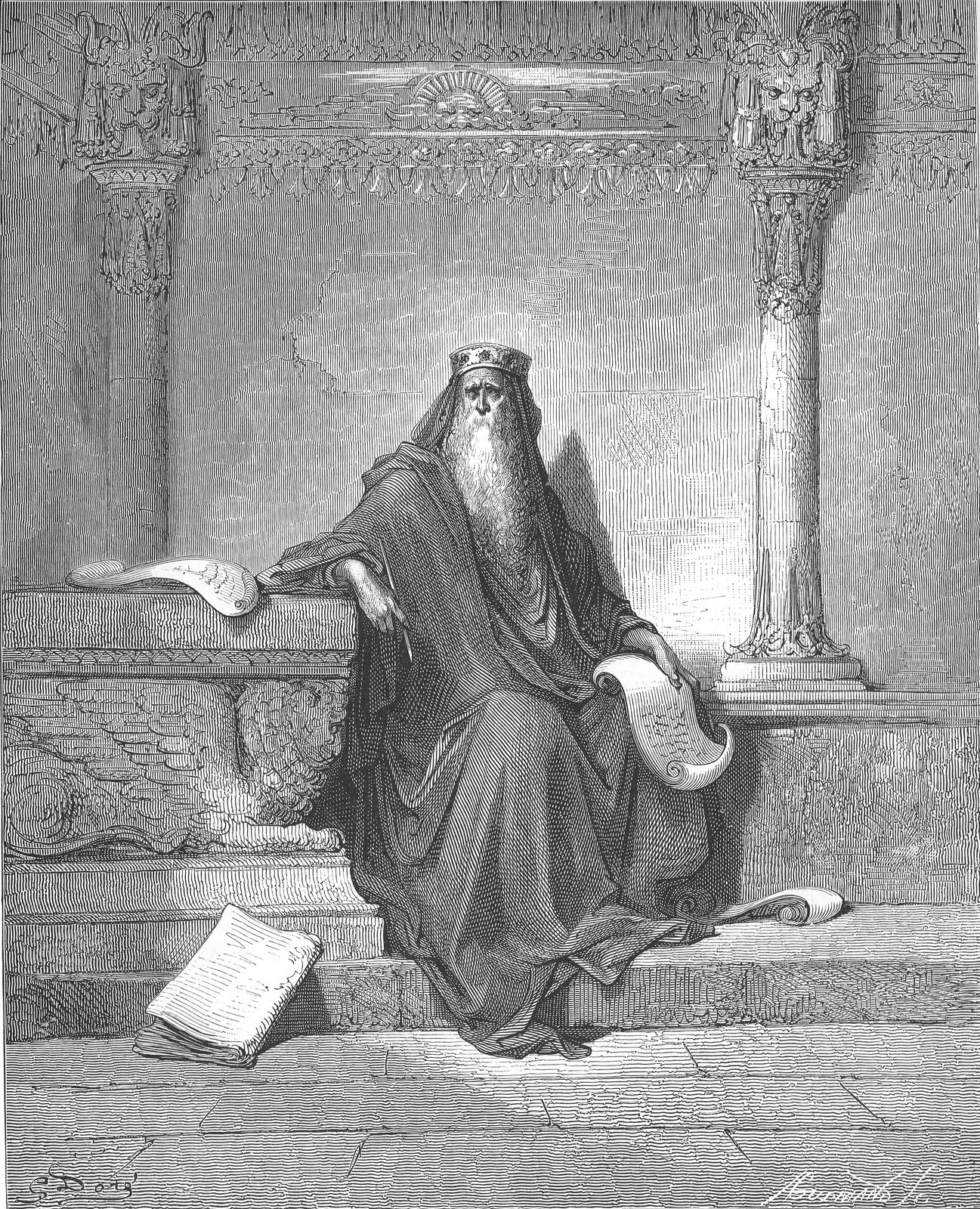
The treatise
What is on the shelf now is the treatise as Heeg printed it from the Munich manuscript: the title, Solomon’s charge to Rehoboam, the twenty-four planetary hours of each day, the angels and demons of those hours, the prayers to the planets, the method of adjuring the angel and the demon of the hour, the planetary characters, and the plants of the twelve signs and of the seven planets. The Munich text ends “Τέλος. Ἀμήν.”
- 1 The little key
- 2 Sunday, the day of the Sun
- 3 Monday, the day of the Moon
- 4 Tuesday, the day of Mars
- 5 Wednesday, the day of Mercury
- 6 Thursday, the day of Jupiter
- 7 Friday, the day of Venus
- 8 Saturday, the day of Saturn
- 9 Angels and demons of Sunday
- 10 Angels and demons of Monday
- 11 Angels and demons of Tuesday
- 12 Angels and demons of Wednesday
- 13 Angels and demons of Thursday
- 14 Angels and demons of Friday
- 15 Angels and demons of Saturday
- 16 Prayers of the seven planets
- 17 The adjuration of the angel and the demon of the hour
- 18 The characters of the planets
- 19 Herbs of the twelve signs
- 20 Herbs of the seven planets
Appendix
Heeg then printed, from Vaticanus Graecus 952, a short hermetic piece on the peony. It is offered here as an appendix, still in a House working translation from that Greek, and is not a chapter of the Munich Hygromanteia. This is not the copyrighted modern English of Marathakis 2011, which was not used.
See the art (free to download)
Greek: Joseph Heeg, “Hygromantia Salomonis,” Catalogus Codicum Astrologorum Graecorum VIII.2 (Brussels: Henri Lamertin, 1911), pp. 143–165 from Codex Monacensis Graecus 70, and, for the appendix on the peony, pp. 167–171 from Vaticanus Graecus 952; scan at Internet Archive (Public Domain Mark 1.0). English: House translation from the Greek of that edition, a working translation.