2 Enoch: The Secrets of Enoch
Slavonic, printed by Novaković, Zagreb 1884
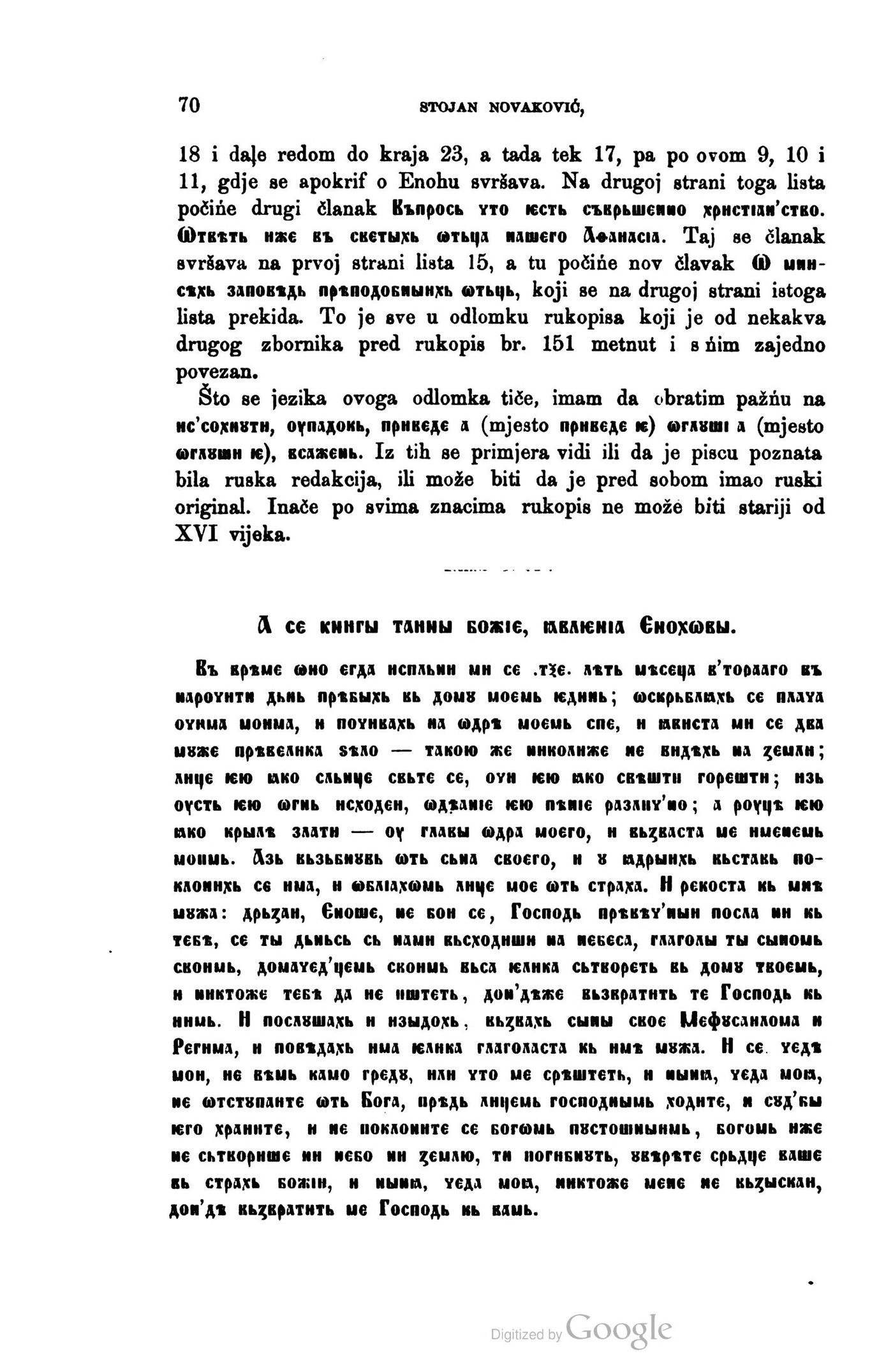
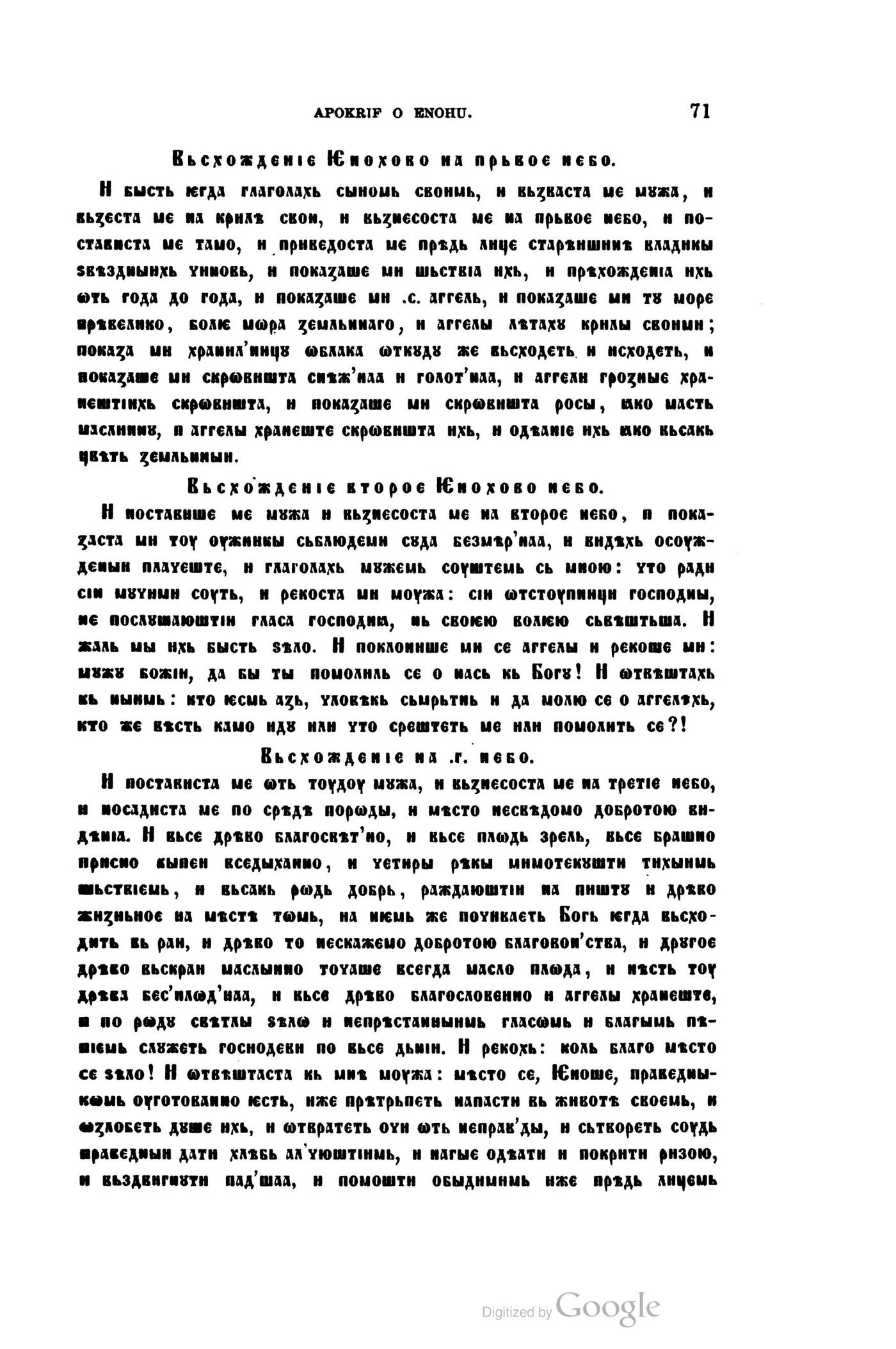
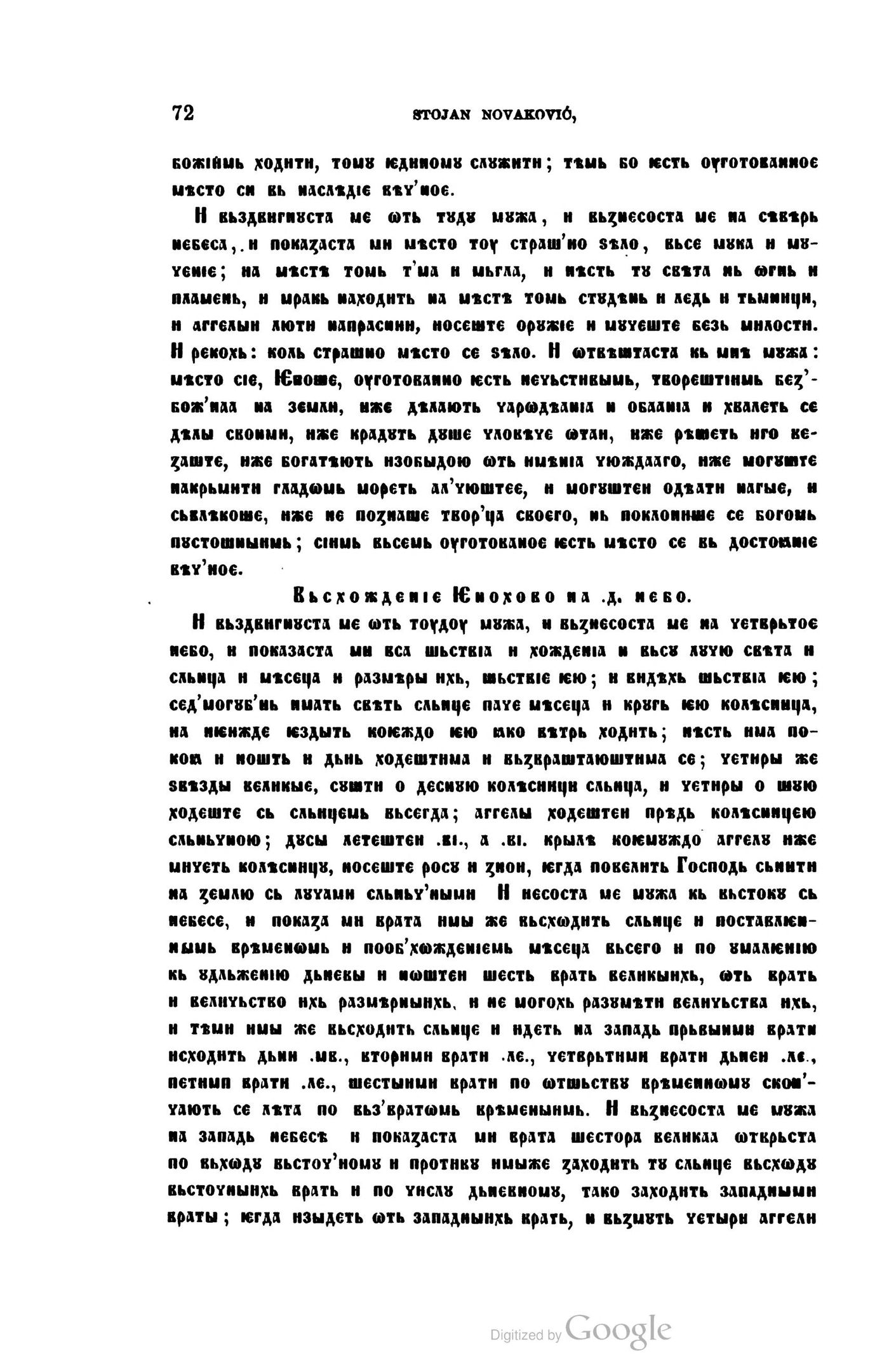
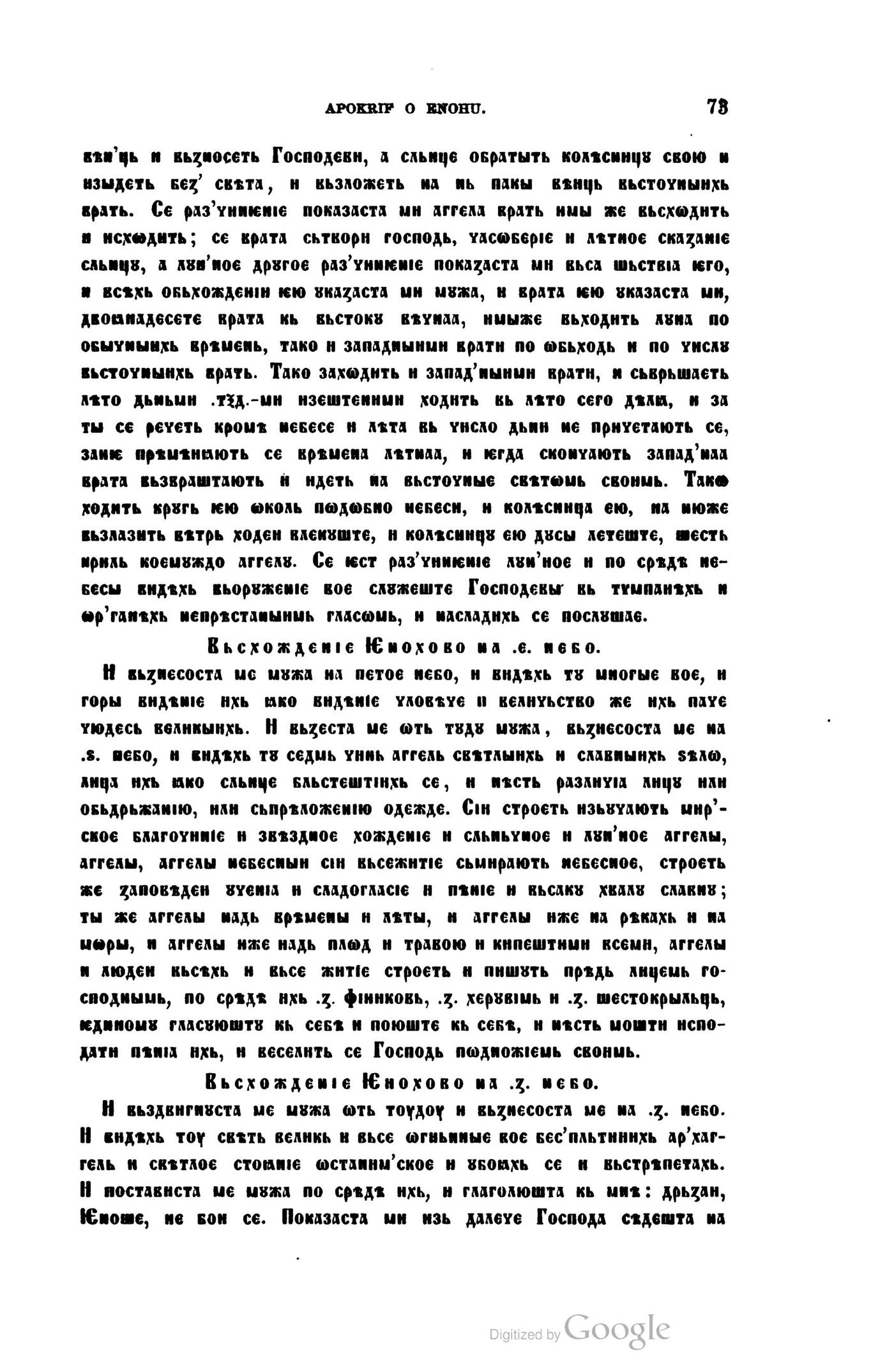
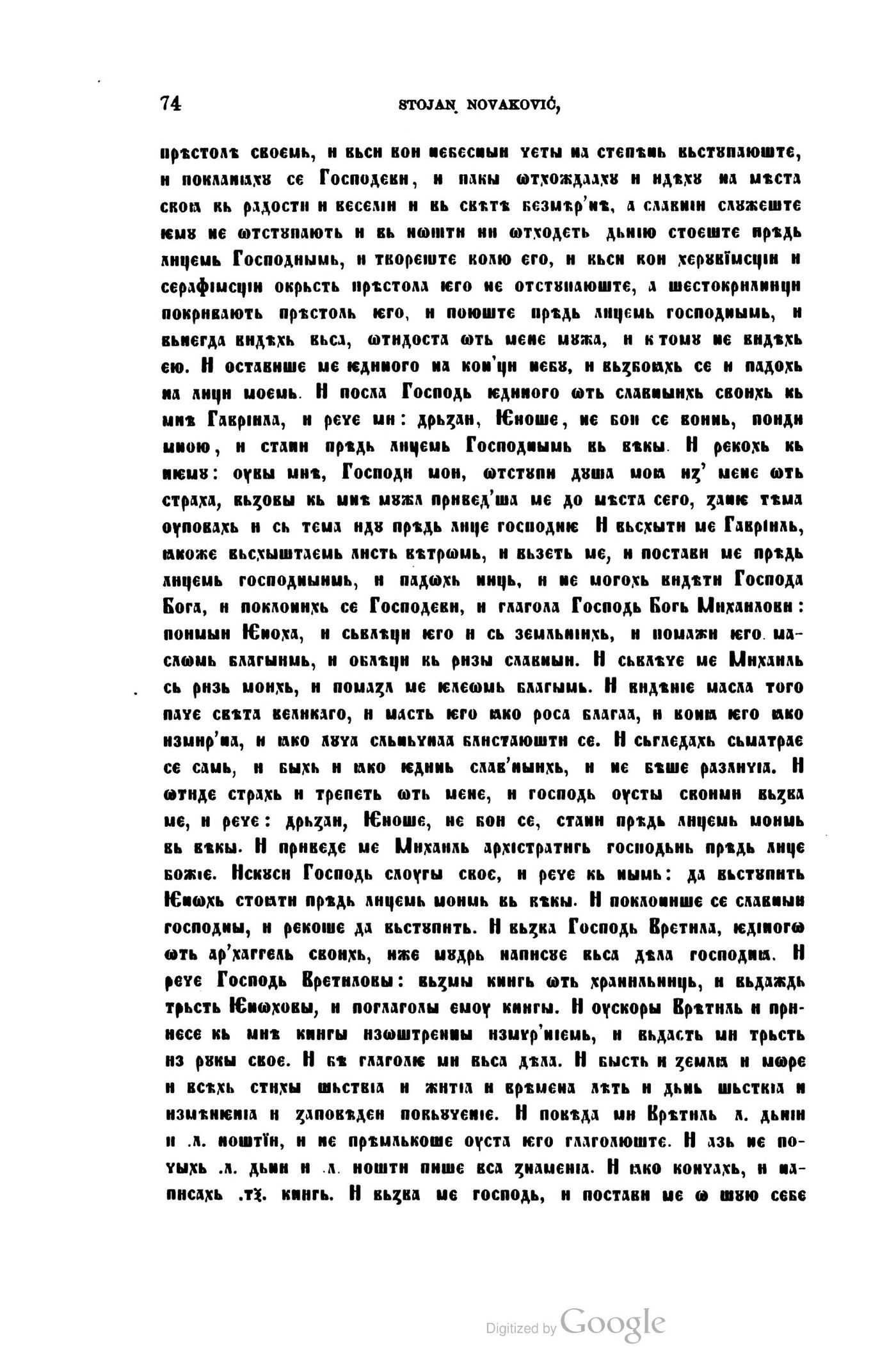
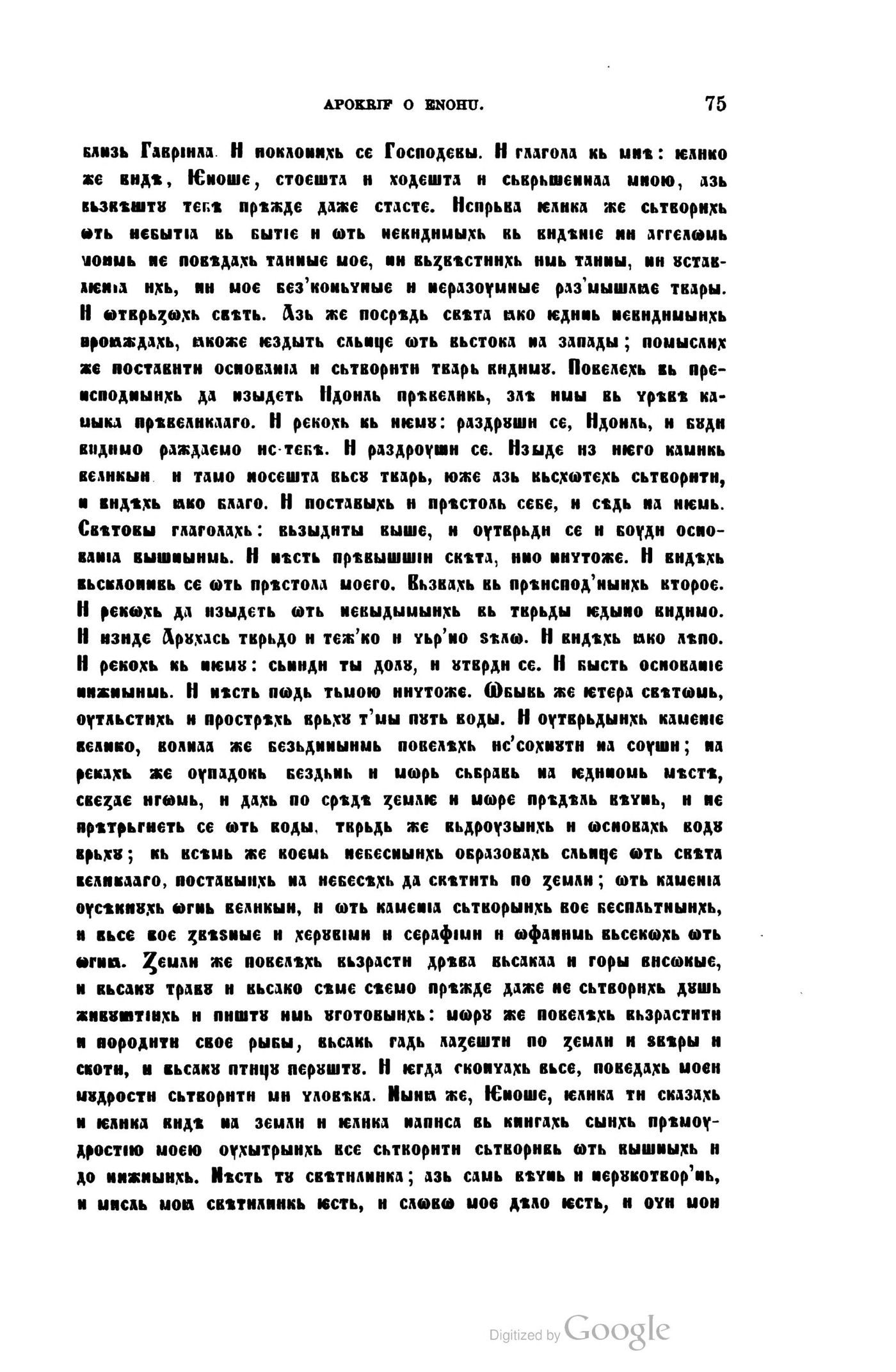
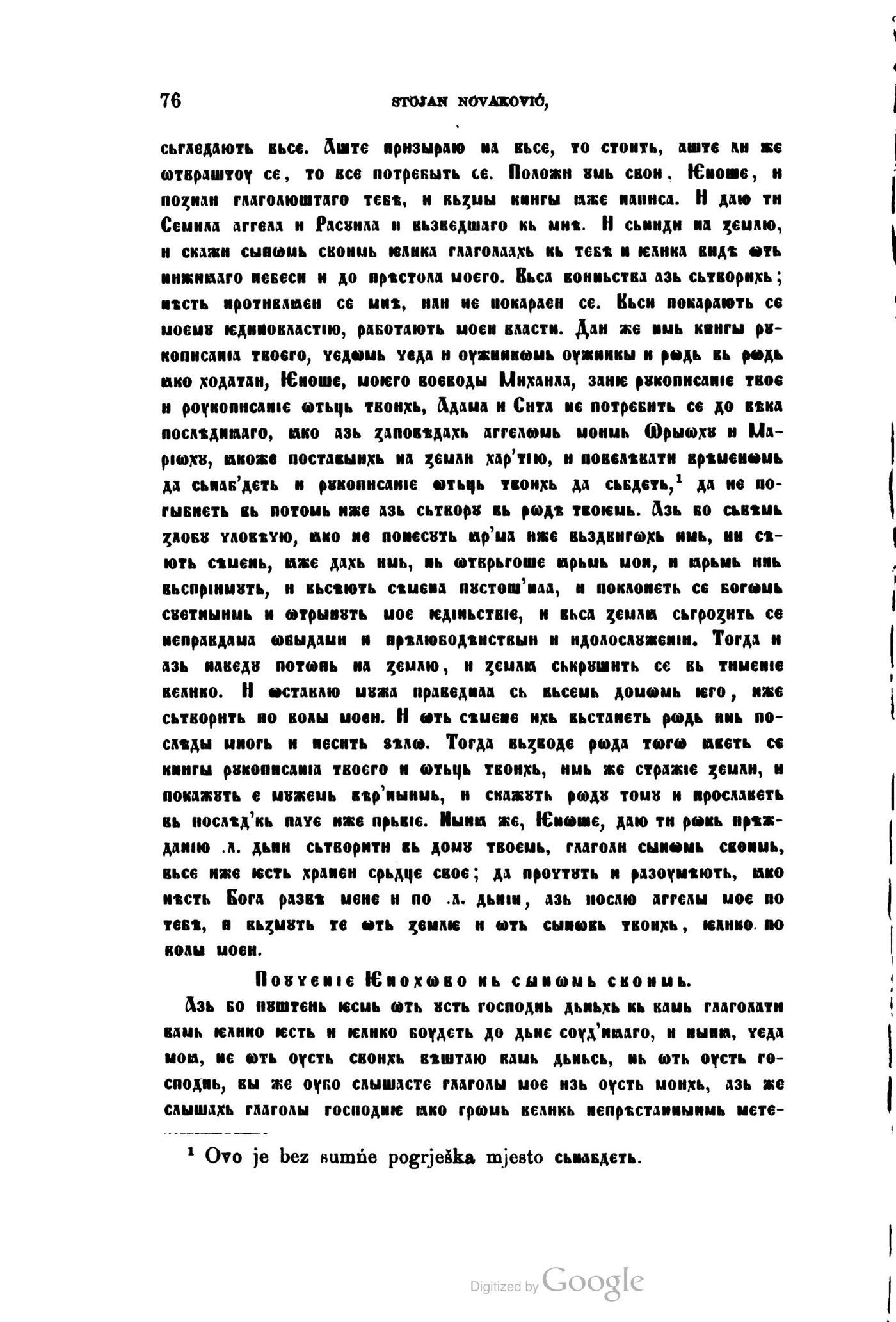
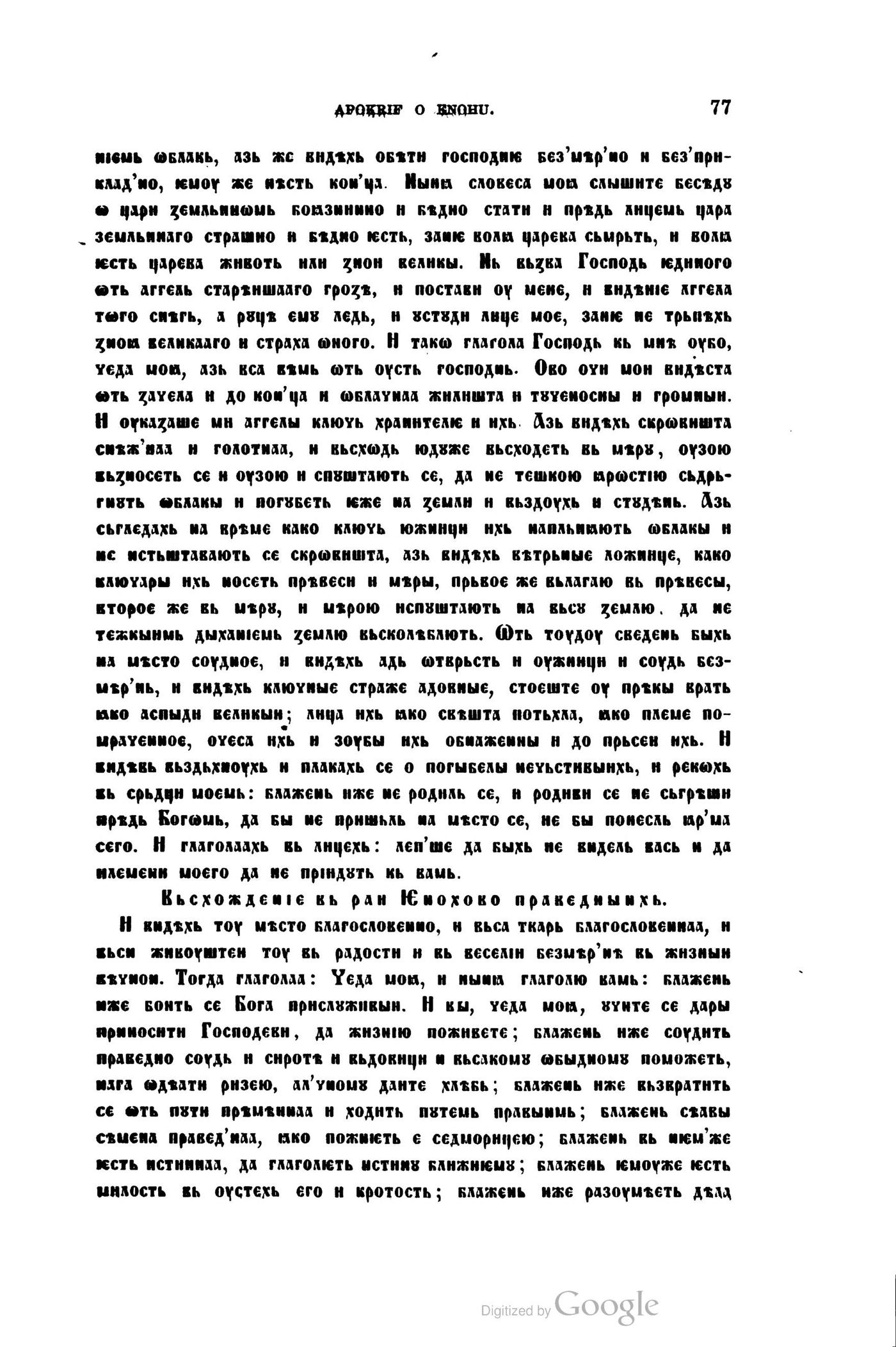
The Slavonic Book of the Secrets of Enoch, the short version, from Stojan Novaković’s 1884 print. A House translation of the whole short version, chapters 1–67 as this witness gives them: the two angels at Enoch’s bed, and the seven thousand years.
Book sleeve
What this book is about
Enoch tells his sons how two great angels came to his bed and carried him up through the heavens to see the Lord. There he is taught the secrets of creation and writes them in books for his children. It survives only in Old Church Slavonic.
What you’ll find inside
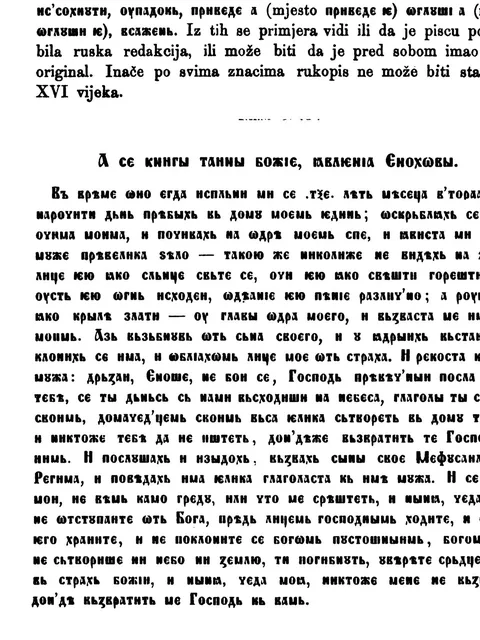
- Chapters 1–2: the two angels, shining like the sun, and Enoch’s farewell to his sons
- Chapters 3–30: the seven heavens, the face of the Lord, the books, and the making of the world
- Chapters 33–39: the Lord’s own account of creation and the books Enoch must keep
- Chapters 40–67: Enoch’s teaching to his sons and the people, the blessings and curses, and his taking up
- The seven thousand years (33:1–2), given from the long version and marked secondary
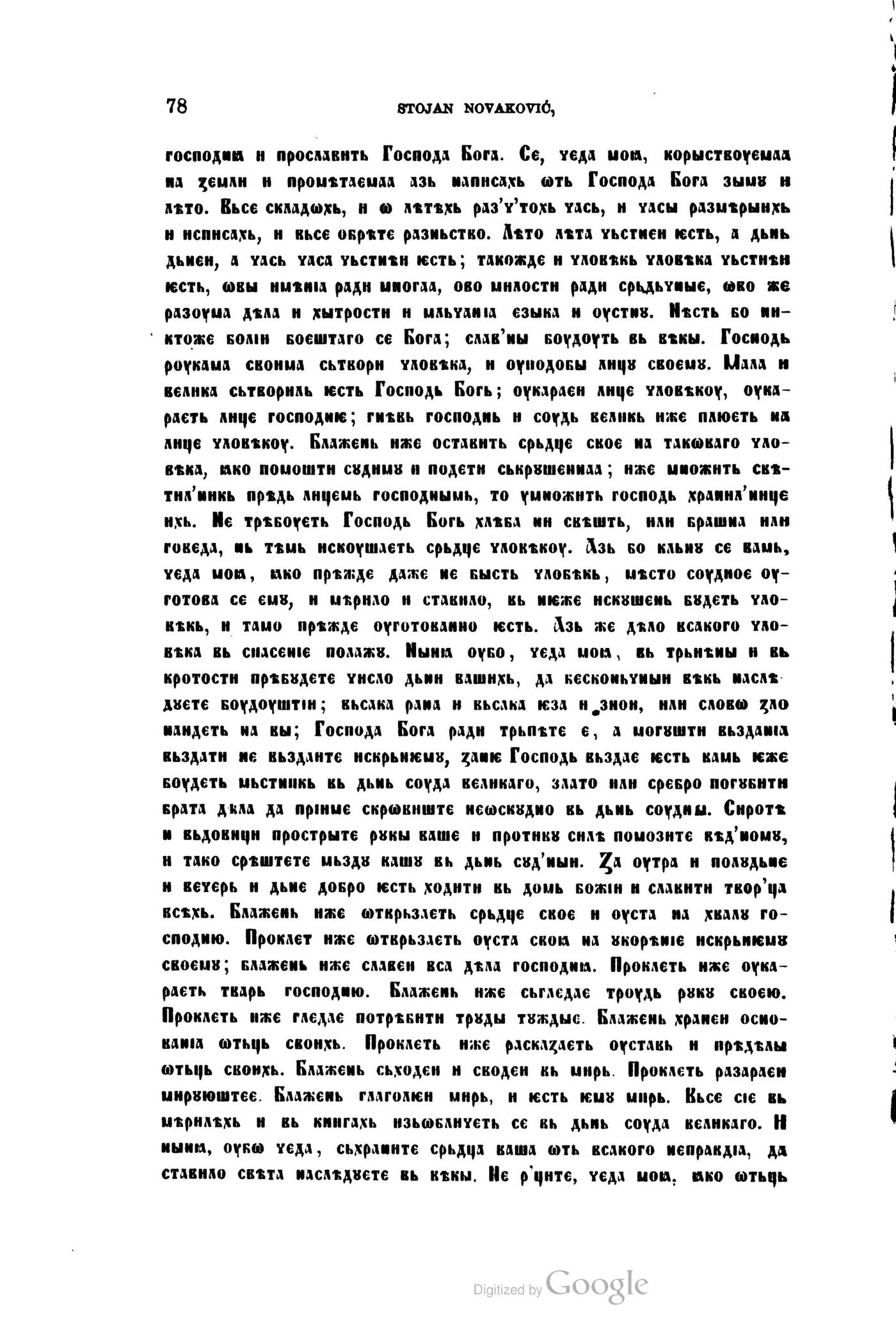
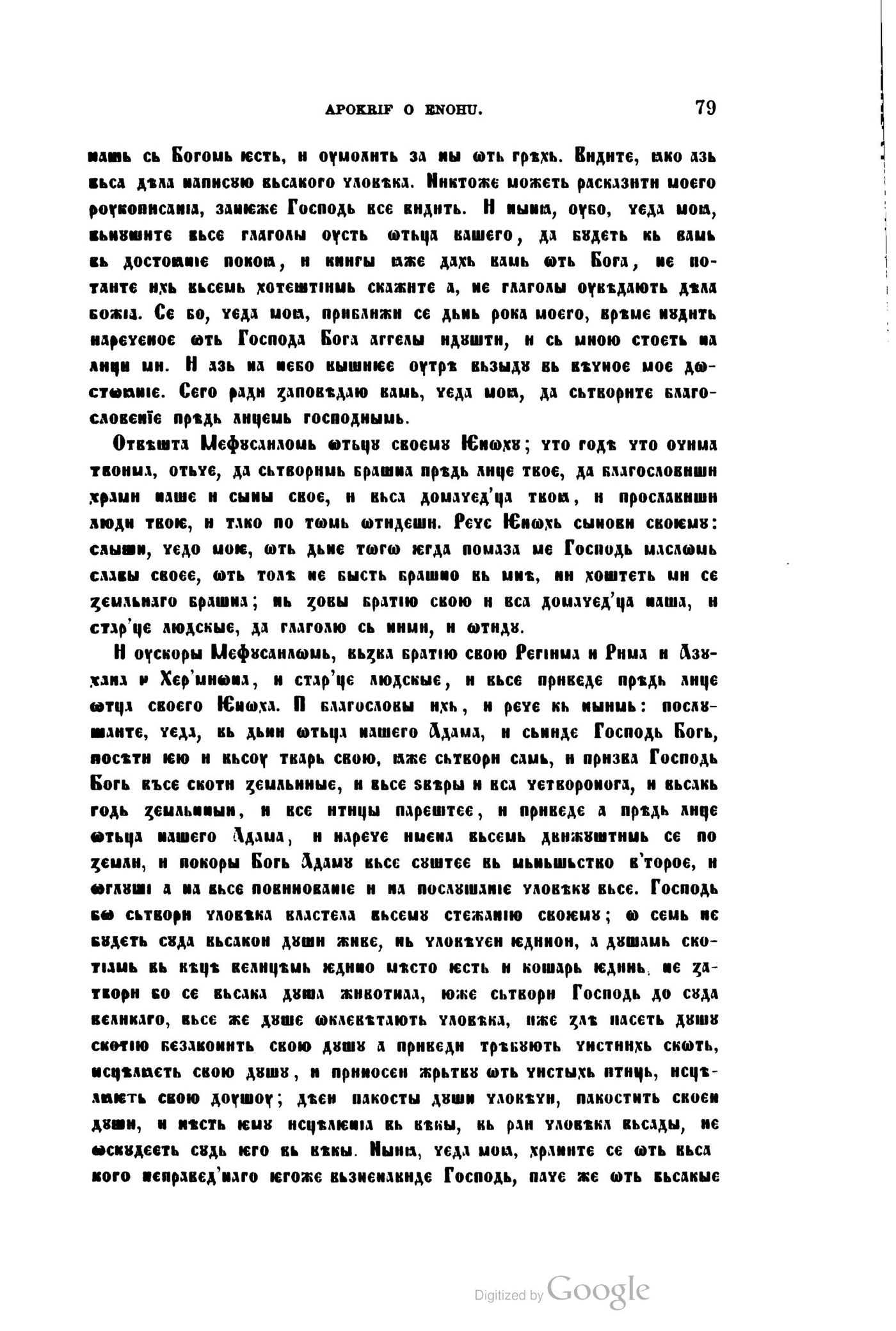
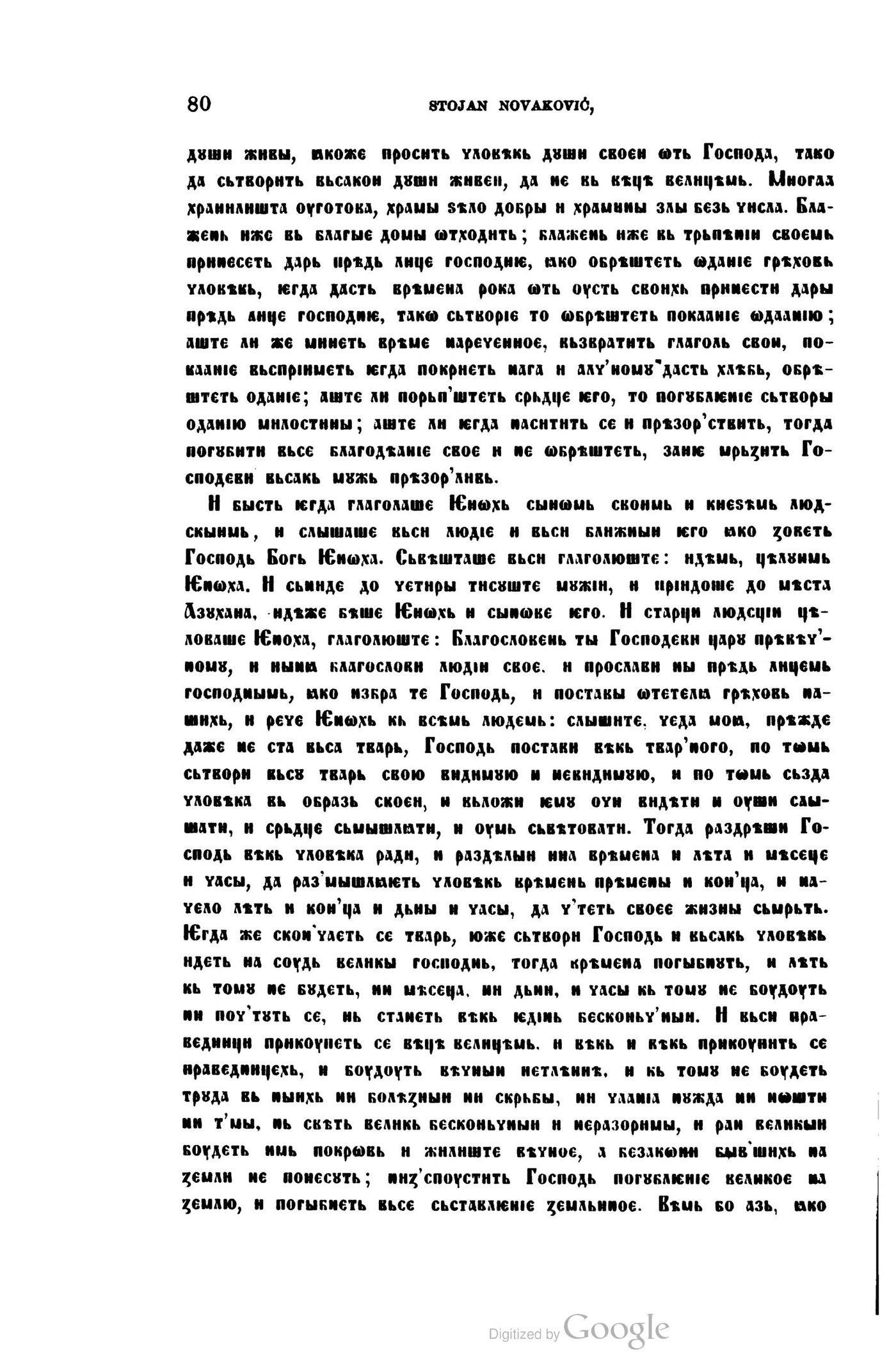
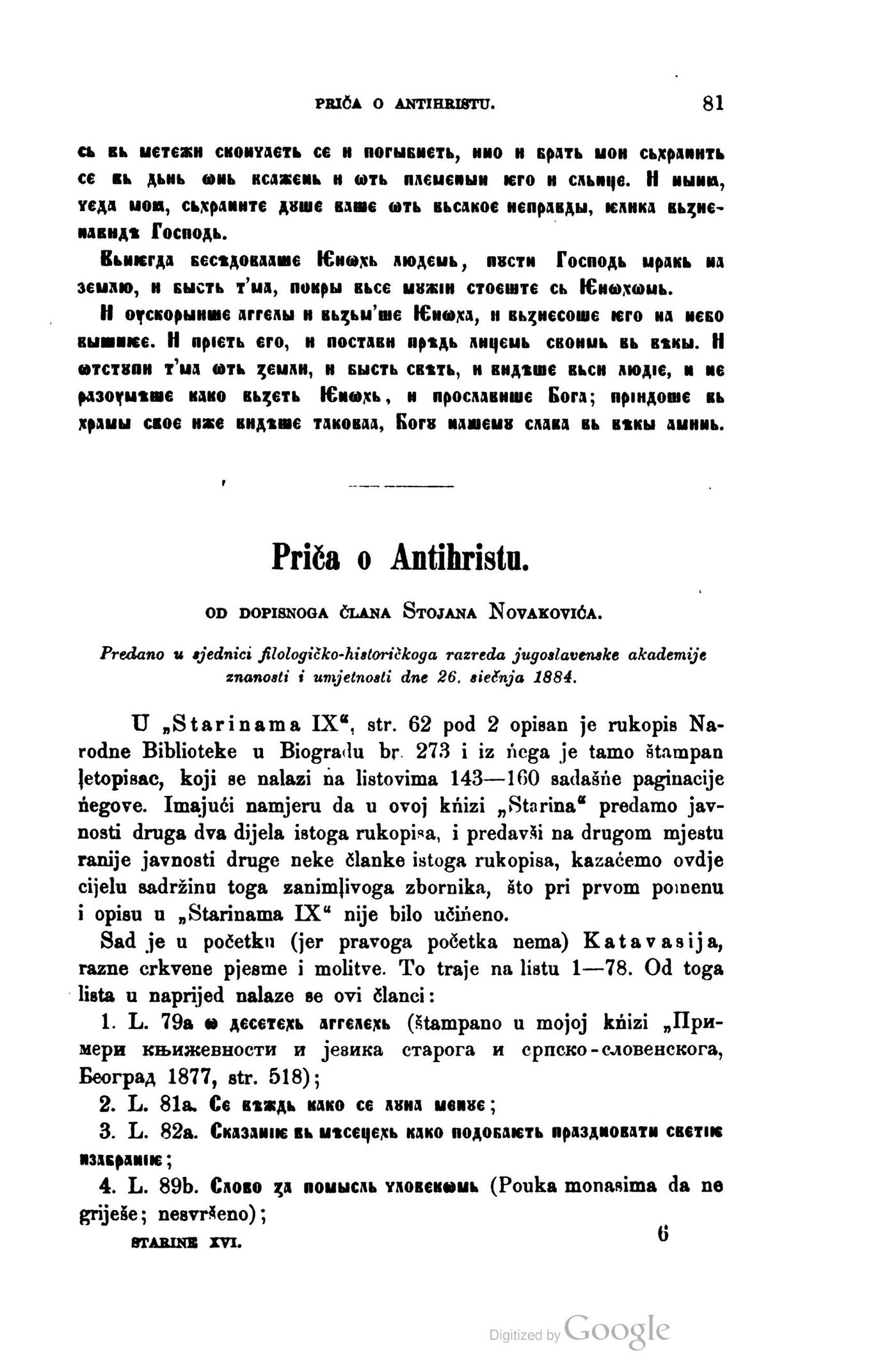
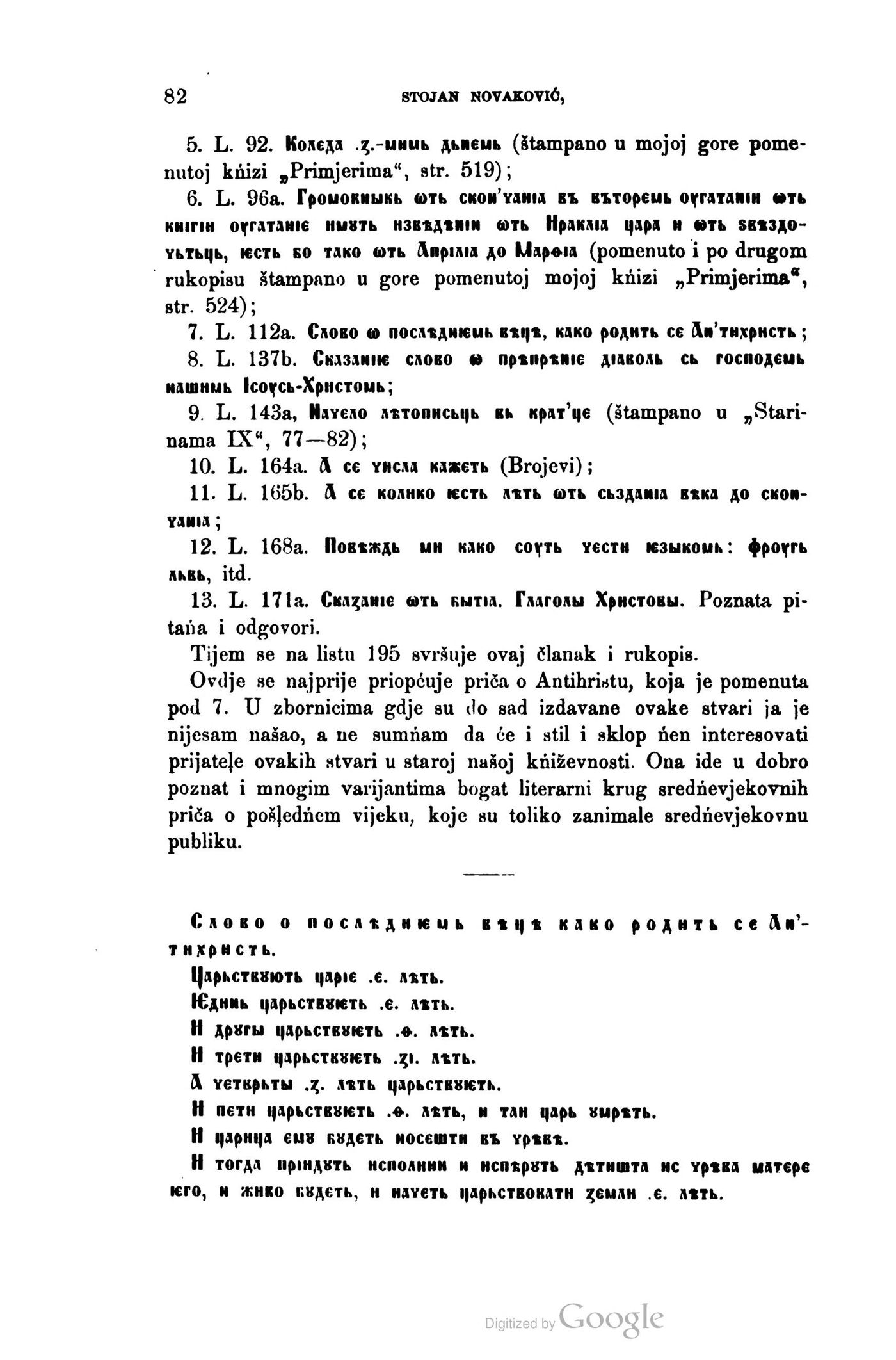
- The 1884 printed pages beside the House English, with uncertain readings marked
About the author
The author is unknown. The book is traditionally attributed to Enoch, and scholars disagree about when it was written. This text comes from a 16th-century Serbian manuscript (Belgrade NBS 151), printed in 1884 by Stojan Novaković (1842–1915), a Serbian historian and philologist. The manuscript was destroyed in 1941.
- Manuscript
- Belgrade, National Library of Serbia MS 151 (16th c.), destroyed in 1941; known now only from this print
- Printed
- Stojan Novaković, “Apokrif o Enohu”, Starine XVI (Zagreb: JAZU, 1884), pp. 67–81
- Language
- Church Slavonic
- House translation
- Chapters 1–2 (second read) and 33–39, compared with Morfill 1896 and Bonwetsch 1922. Chapters 3–30 and 40–67: first read from the Slavonic, 26 Nov 2026, not yet compared. Uncertain readings are marked.
- Licence
- Print: Public Domain Mark 1.0 (Internet Archive starine_knjiga_16-17-18-jazu). House translation © 2026 Ruezal Dhragoon.
The seven-thousand-year passage (33:1–2) is not in this short version. It is given from Morfill and Bonwetsch, marked secondary, until the long version (Sokolov 1910) can be read.
The printed pages, 1884