
Chinese shelf · Shan Hai Jing · Book 1 of 18
南山經 · The Classic of the Southern MountainsChinese with Guo Pu’s notes where the Hall has them, and a facing House English
The Chinese is the Hall’s public-domain text. The facing English is a House translation written from that Chinese on 26 November 2026. Uncertain readings are marked in the line and listed in UNCERTAIN.md.
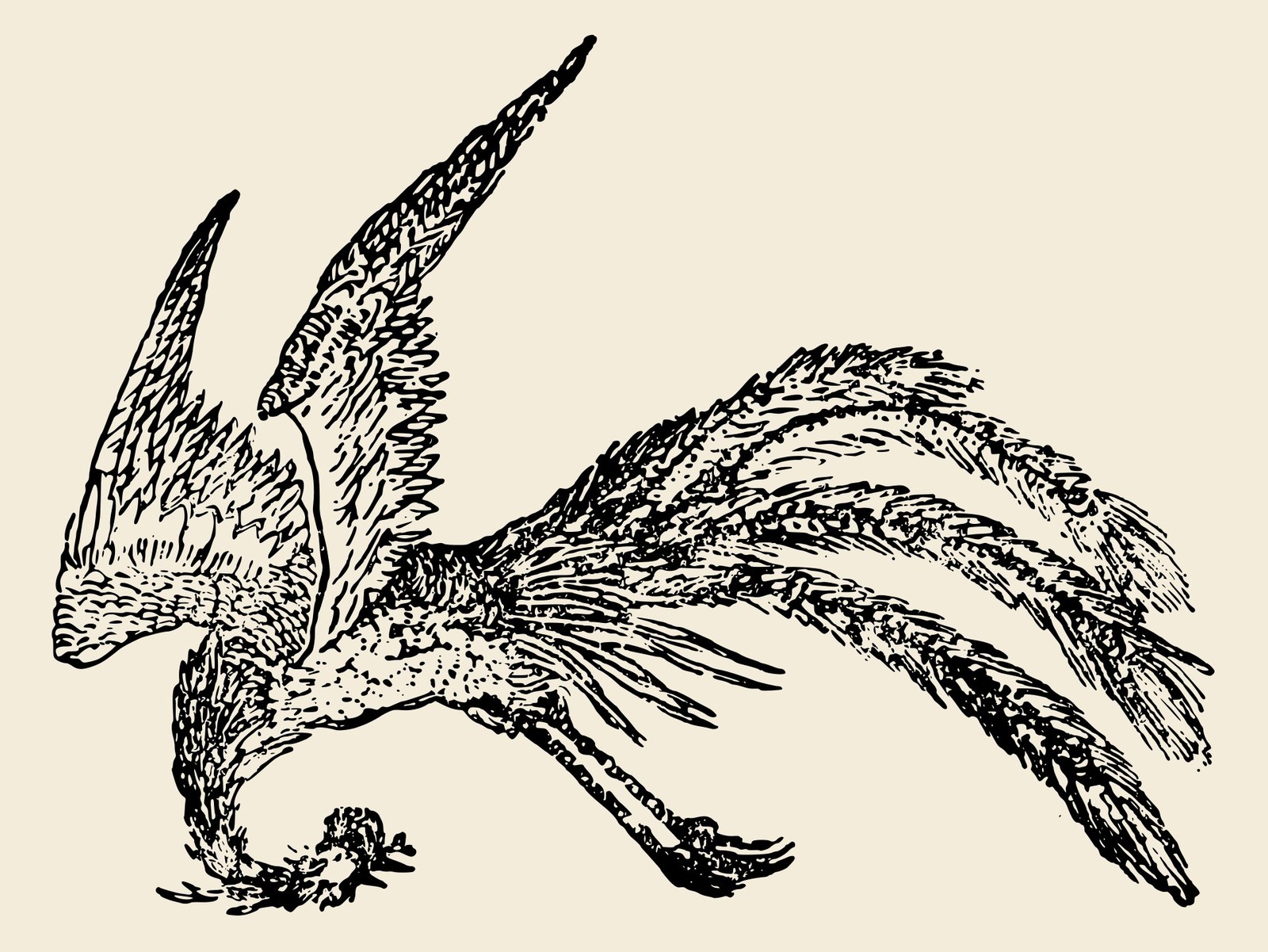

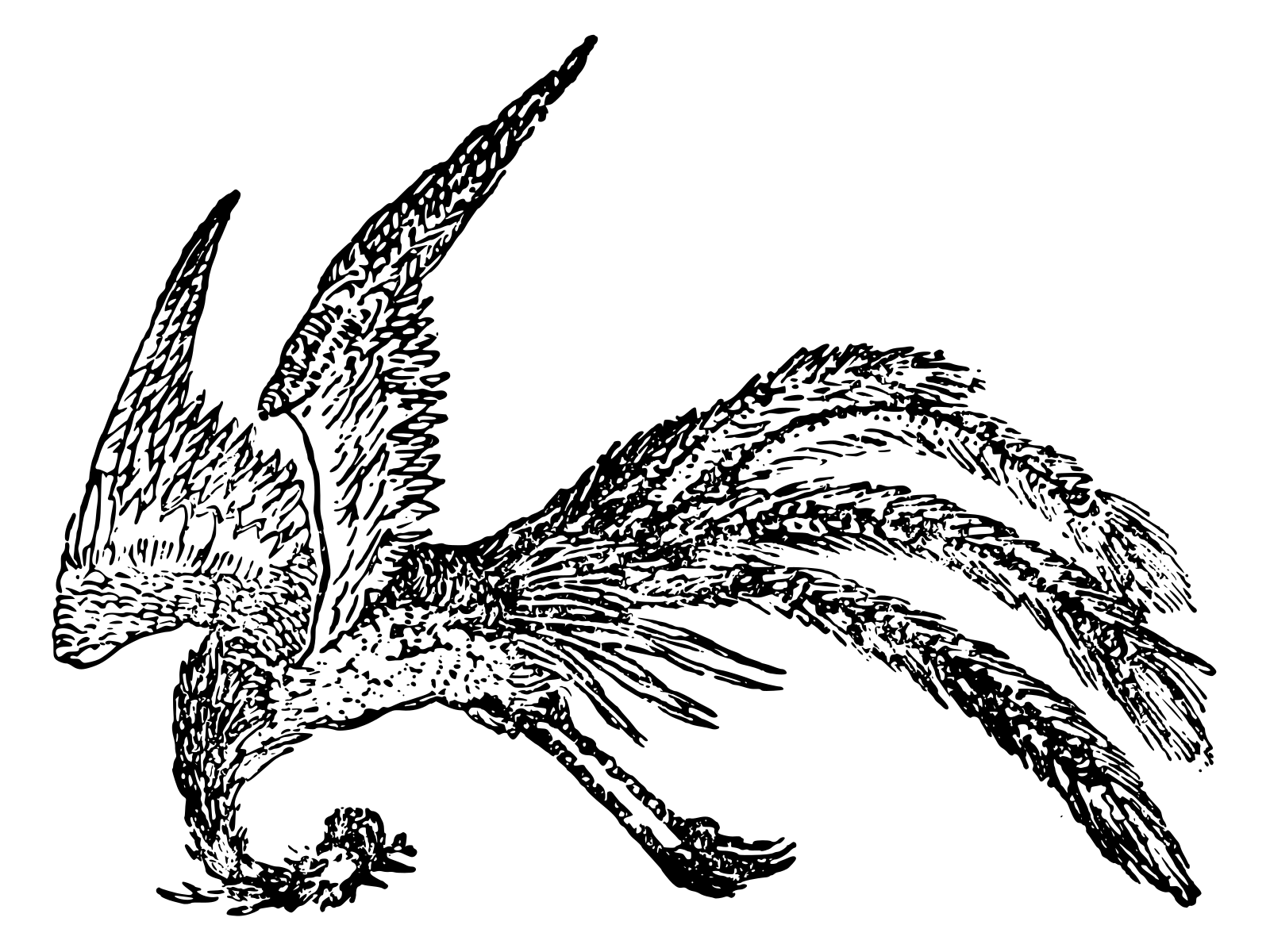
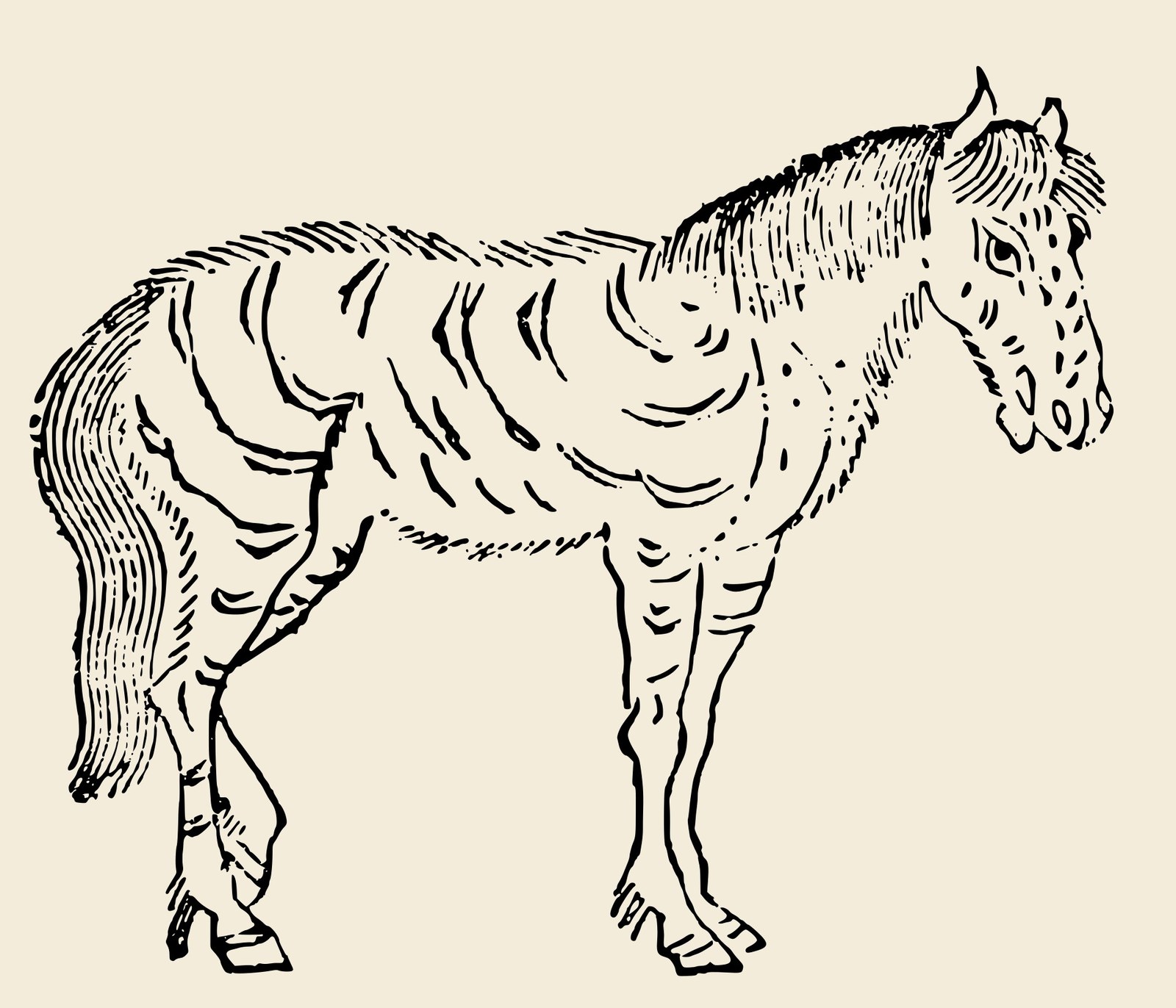

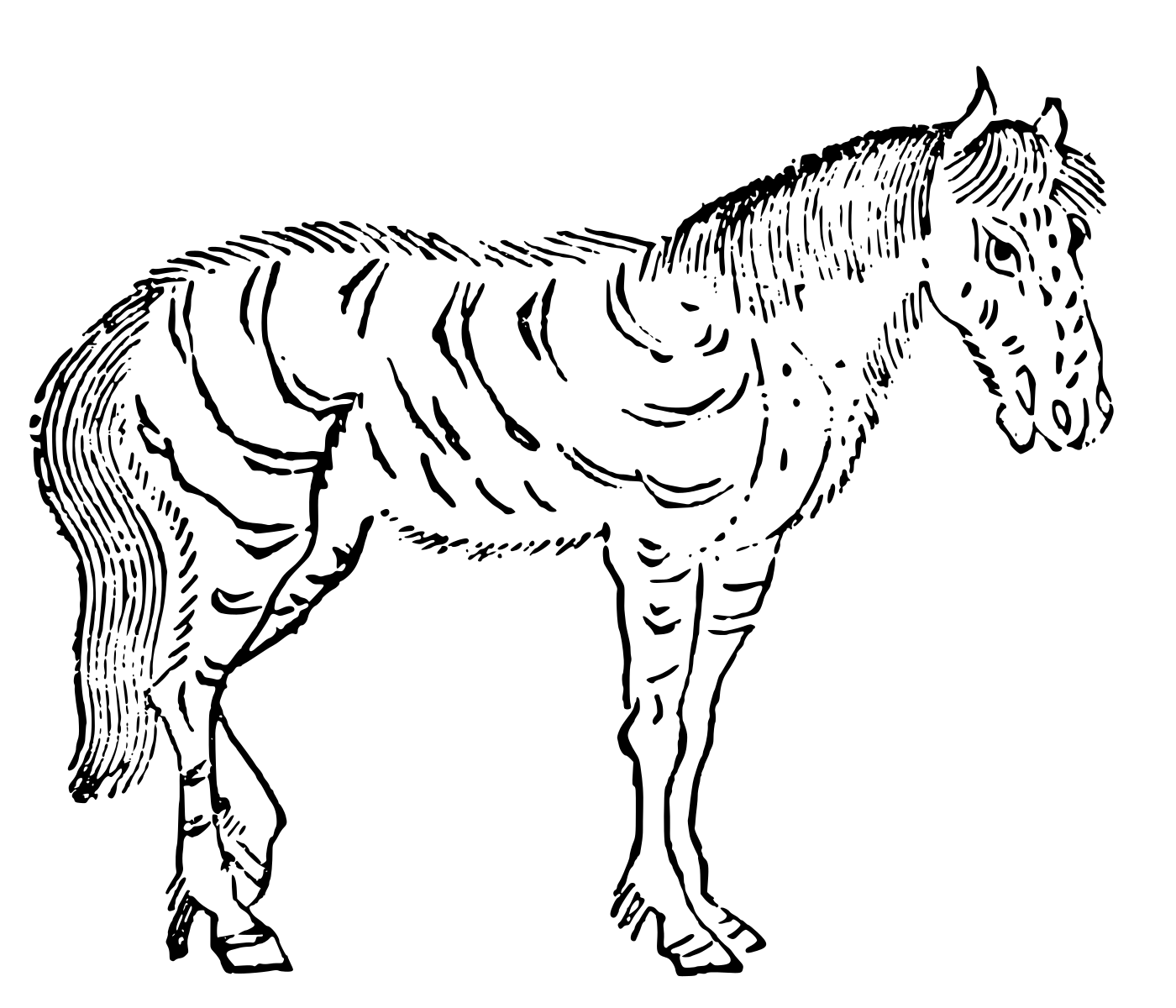
Chinese Siku Quanshu text, Hall wording
南山經之首
南山經之首曰䧿山。其首曰招搖之山,臨於西海之上(在蜀,伏山山南之西頭,濱西海也。),多桂(桂葉似枇杷,長二尺餘,廣數寸,味辛白花,叢生山峯。冬夏常青,間無雜木。《呂氏春秋》曰:「招搖之桂」),多金玉。有草焉,其狀如韭(璨曰:韭音九。《爾雅》云:「霍山亦多之」)而青華,其名曰祝餘(或作桂荼),食之不饑。有木焉,其狀如榖(榖,楮也,皮作紙。璨曰:榖亦名構。名榖者以其實如榖也)而黑理,其華四照(言有光燄也。若木、華赤其光照地,亦此類也。見《離騷經》),其名曰迷穀,佩之不迷。有獸焉,其狀如禺(禺似獼猴而大赤目,長者不了此物名禺。作牛字圖,亦做牛形或作猴,皆失之也。禺字音遇,)而白耳,伏行人走,其名曰狌狌(狌狌,禺獸。狀如猿,伏行交足亦此類也。見《京房易》),食之善走。麗𪊨(𪊨音几)之水出焉,而西流注於海,其中多育沛,佩之無瘕(瘕,蟲病也。)疾。
又東三百里,曰堂庭之山,多棪(棪,別名連。其子似柰而赤,可食,音剡)木,多白猿(今猿似獼猴而大臂,腳長便捷。色有黑有黃。鳴其聲哀),多水玉(水玉,今水晶也。相如《上林賦》曰:「水玉磊砢,赤松子所服。」見《列仙傳》),多黃金。
又東三百八十里,曰猨翼之山,其中多怪獸,水多怪魚,(凡言怪者,皆謂兒狀倔奇不常也。尸子曰:「徐偃王好怪,沒深水而得怪魚,入深山而得怪獸者多列於庭。」)多白玉,多腹虫(腹虫色如綬,文鼻,上有針。大者百餘斤,一名反鼻虫,古虺字),多怪蛇,多怪木,不可以上。
又東三百七十里,曰杻(音紐)陽之山,其陽多赤金,其陰多白金(銀也,見《爾雅》。山南爲陽,山北爲陰)。有獸焉,其狀如馬而白首,其文如虎而赤尾,其音如謠,(如人歌聲)其名曰鹿蜀,佩(佩,謂帶其皮尾)之宜子孫。怪水出焉,而東流注於憲翼之水。其中多玄龜,其狀如龜而鳥首虺(虺,尾銃)尾,其名曰旋龜,其音如判木(如破木聲),佩之不聾,可以為底(底,躪也,爲猶治也。《外傳》曰:「疾不可爲。」一作底猶病愈也)。
又東三百里柢(音蔕)山,多水,無草木。有魚焉,其狀如牛,陵居,蛇尾有翼,其羽在魼(亦作脅)下,其音如留牛(莊子曰:「執犂之狗」謂此牛也。《穆天子傳》曰:「天子之狗執虎豹」),其名曰鯥(音六),冬死而夏生(此亦蟄类也。谓之死者言其蟄,無所知如死耳。),食之無腫疾。
又東四百里,曰亶(亶音蟬)爰之山,多水,無草木,不可以上(言崇峭也)。有獸焉,其狀如狸而有髦,其名曰類(類或作沛,髦或作髮),自為牝牡,食者不妬。(莊子亦曰:「類自爲雌雄而化,今貆豬亦自爲雌雄」)
又東三百里,曰基山,其陽多玉,其陰多怪木。有獸焉,其狀如羊,九尾四耳,其目在背,其名曰猼訑(愽施二音。施一作阤),佩之不畏(不知恐畏)。有鳥焉,其狀如雞而三首六目、六足三翼,其名曰𪁺𩿧,(𪁺𩿧急性,敞孚二音)食之無臥(使人必眠)。
又東三百里,曰青丘(亦有青丘國在海外水經云。即《上林賦》云:「秋田於青丘」)之山,其陽多玉,其陰多青雘(雘,黝屬,音瓠)。有獸焉,其狀如狐而九尾(即九尾狐),其音如嬰兒,能食人;食者不蠱(敢其肉,令人不逢妖邪之氣,或曰蠱毒)。有鳥焉,其狀如鳩,其音若呵(如人相呵呼聲),名曰灌灌,佩之不惑。英水出焉,南流注于即翼之澤。其中多赤鱬,其狀如魚而人面,其音如鴛鴦,食之不疥。
又東三百五十里,曰箕尾之山,其尾踆(踆,古蹲字。言臨海上音存。)於東海,多沙石。汸(音芳)水出焉,而南流注於淯(音育),其中多白玉。
凡䧿山之首,自招搖之山,以至箕尾之山,凡十山,二千九百五十里。其神狀皆鳥身而龍首,其祠之禮毛(言擇牲怪其毛色也。《周官》曰:「陽祀用騂牲之毛」):用一璋(半珪爲璋,瘞埋也。)玉瘞,糈(糈,祀神之米,名先呂反。今江東音所一音壻。稌,稌稻也,他覩反。糈或作疏非也)用稌米,一璧,稻米、白菅(菅,茅屬也。音間)為席。
南次二經
《南次二經》之首,曰柜山,(音矩)西臨流黃,北望諸毗,東望長右。(皆山名)英水出焉,西南流注于赤水,其中多白玉,(尸子曰:水方折者有玉,貢折者有珠)多丹粟。(細丹砂如)有獸焉,其狀如豚,有距,其音如狗吠,其名曰貍力,見則其縣多土功。有鳥焉,其狀如鴟而人手。(其腳如人手,鴟音處脂反)其音如痺,(未詳)其名曰鴸,(音株)名自號也,見則其縣多放放士。
東南四百五十里曰長右之山,無草木,多水。有獸焉,其狀如禺而四耳,其名長右,(以山出此獸,因以名之)其音如吟,(如人呻吟聲)見則郡縣大水。
又東三百四十里,曰堯光之山,其陽多玉,其陰多金。有獸焉,其狀如人而彘鬛,穴居而冬蟄,其名曰猾褢,(滑懷兩音)其音如斲木,(如人斫木聲)見則縣有大繇。(謂作役也。或曰其繇亂)
又東三百五十里,曰羽山,(今東海柷其縣西南,有羽山,即鯀所殛處。計此道里不相應,似非也)其下多水,其上多雨,無草木,多蝮虫。(蚖也。)
又東三百七十里,曰瞿父之山,(音劬)無草木,多金玉。
又東四百里,曰句餘之山,無草木,多金玉。(今在會稽餘姚縣南,章句縣北,故此二縣因此爲名云。見《張氏地理志》)
又東五百里,曰浮玉之山,北望具區,(具區,今吳縣西南太湖也。《尚書》謂之震澤)東望諸毗。(水名)有獸焉,其狀如虎而牛尾,其音如吠犬,其名曰彘,是食人。苕水出于其陰,北流注于具區。其中多鮆魚。(鮆魚,狹薄而長頭。大者尺餘,太湖中今饒之。一名刀魚,音祚啓反)
又東五百里,曰成山,四方而三壇,(形如人築,壇相累也。成亦重耳)其上多金玉,其下多青雘。𨴯水出焉,(音涿)而南流注于(一作流注于西)虖勺,(虖,音呼。)其中多黃金。(今永昌郡,水出金如糠在沙中。尸子曰:清水出黃金、玉英)
又東五百里,曰會稽之山,四方,(今在會稽郡山陰縣南,上有禹冢及井)其上多金玉,其下多砆石。(砆,武大石,似玉,今長沙臨湘出之。赤地白文,色蘢葱,不分明。)勺水出焉,而南流注於湨。(音鵙)
又東五百里,曰夷山。無草木,多沙石,湨水出焉,而南流注于列塗。
又東五百里,曰僕勾之山,其上多金玉,其下多草木,無鳥獸,無水。
又東五百里,曰咸陰之山,無草木,無水。
又東四百里,曰洵山,其陽多金,其陰多玉。有獸焉,其狀如羊而無口,不可殺也,(稟氣自然)其名曰䍺。(音還,或音患)洵水出焉,(音詢)而南流注于閼之澤,(音遏)其中多芘蠃。(紫色螺也)
又東四百里,曰虖勺之山,其上多梓枏(梓,山楸也。枏,大木葉,似桑,今作楠,音南。《爾雅》以爲柟),其下多荊杞(杞,枸杞也,子赤)。滂水出焉(音滂沱之滂),而東流注于海。
又東五百里,曰區吳之山,無草木,多沙石。鹿水出焉,而南流注于滂水。
又東五百里,曰鹿吳之山,上無草木,多金石。澤更之水出焉,而南流注于滂水。水有獸焉,名曰蠱雕,其狀如雕而有角,其音如嬰兒之音,是食人。
東五百里,曰漆吳之山,無草木,多博石,無玉(可以爲博碁石)。處于東海,望丘山,其光載出載入(神光之所潛耀),是惟日次(是日景之所次舍)。
凡《南次二經》之首,自柜山至于漆吳之山,凡十七山,七千二百里。其神狀皆龍身而鳥首。其祠:毛用一璧瘞,糈用稌(稻穬也)。
南次三經
《南次三經》之首,曰天虞之山,其下多水,不可以上。
東五百里,曰禱過之山,其上多金玉,其下多犀、兕(犀似水牛。猪頭痺腳,腳似象有三蹄。大腹黑色三角,一在頂上,一在額上,一在鼻上。在鼻上者小而不墮,食角也。好噉棘,口中常灑血沫。兕亦似水牛,青色一角,重三千斤),多象(象,獸之最大者。長鼻。大者牙長一丈。性妬,不畜淫子)。有鳥焉,其狀如鵁(鵁似鳧而小腳近尾。音骹箭之骹),而白首、三足、人面,其名曰瞿如(音劬),其鳴自號也。泿水出焉(音銀),而南流注于海。其中有虎蛟(蛟似蛇,四足,龍屬),其狀魚身而蛇尾,其音如鴛鴦,食者不腫,可以已痔。
又東五百里,曰丹穴之山,其上多金玉。丹水出焉,而南流注于渤海(渤海,海岸曲崎頭也)。有鳥焉,其狀如雞,五采而文,名曰鳳皇,首文曰德,翼文曰義,背文曰禮,膺文曰仁,腹文曰信。是鳥也,飲食自然,自歌自舞,見則天下安寧(漢時鳳鳥數出,高五六尺,五采。莊周說鳳,文字與此有異。《廣雅》云:鳳,雞頭、鷰頷、蛇頸、龜背、魚尾。雌曰凰,雄曰鳳)。
又東五百里,曰發爽之山,無草木,多水,多白猿。汎水出焉,而南流注于渤海。
又東四百里,至於旄山之尾,其南有谷,曰育遺,多怪鳥(《廣雅》曰鵽𪅆、鷦朋、爰居、鴟雀皆怪鳥也),凱風自是出(凱風,南風)。
又東四百里,至于非山之首,其上多金玉,無水,其下多蝮虫。
又東五百里,曰陽夾之山,無草木,多水。
又東五百里,曰灌湘之山,上多木,無草;多怪鳥,無獸。
又東五百里,曰雞山,其上多金,其下多丹雘(雘,赤色者,或曰臒,美丹也。見《尚書》,音尺蠖之蠖)。黑水山焉,而南流注于海。其中有鱄魚(音團扇之團),其狀如鮒而彘毛,其音如豚,見則天下大旱。
又東四百里,曰令丘之山,無草木,多火。其南有谷焉,曰中谷,條風自是出(東北風爲條風。《記》曰:條風至,出輕繋,督逋畱)。有鳥焉,其狀如梟,人面四目而有耳,其名曰顒(音娛),其鳴自號也,見則天下大旱。
又東三百七十里,曰侖者之山(音論說之論,一音倫),其上多金玉,其下多青雘。有木焉,其狀如穀而赤理其汗如漆,其味如飴,食者不饑,可以釋勞,其名曰白䓘(或作睪蘇。睪蘇一名白䓘,見《廣雅》,音羔),可以血玉(血謂可用染玉作光彩)。
又東五百八十里,曰禺槀之山,多怪獸,多大蛇。
又東五百八十里,曰南禺之山,其上多金玉,其下多水。有穴焉,水出輒入,夏乃出,冬則閉。佐水出焉,而東南流注于海,有鳳皇、鵷鶵(亦鳳屬)。
凡《南次三經》之首,自天虞之山以至南禺之山,凡一十四山,六千五百三十里。其神皆龍身而人面。其祠皆一白狗祈(祈,請禱也),糈用稌。
右南經之山志,大小凡四十山,萬六千三百八十里。
English House translation, 26 Nov 2026
The first of the Classic of the Southern Mountains (南山經) is called Que Mountain (䧿山). (The graph 䧿 is rare; the reading Que is uncertain.) Its first peak is called Zhaoyao Mountain (招搖之山), which looks out over the Western Sea (西海) (Commentary: It is in Shu (蜀), at the western head of the south of Fu Mountain (伏山), on the shore of the Western Sea.), with much cassia (Commentary: Cassia leaves are like loquat, more than two chi long, several cun broad, pungent in taste, with white flowers, growing in clumps on the peaks. Green through winter and summer, with no mixed trees among them. The Lüshi chunqiu says: “the cassia of Zhaoyao.”), and much gold and jade. There is a plant there, shaped like chives (The note writes 璨曰: chives, pronounced jiu (九). The Erya says: “Mount Huo also has many of them.”) but with green flowers; its name is Zhuyu (祝餘) (Or written 桂荼.); if one eats it, one does not hunger. There is a tree there, shaped like the chu-paper mulberry (榖) (榖 is chu (楮); its bark is made into paper. The note writes 璨曰: 榖 is also named gou (構). It is named 榖 because its fruit is like grain (榖).) but with black grain; its blossoms shine on all four sides (Commentary: This means they have flaming light. The Ruo Tree (若木), whose red blossoms light the ground, is of this kind. See the Lisao jing.); its name is Migu (迷穀); if one wears it, one is not led astray. There is a beast there, shaped like a yu (禺) (The yu is like a macaque but larger, with red eyes. The note writes that elders could not make out that this creature is named yu. Pictures write a “ox” graph and also draw it as an ox, or as a monkey: all of these miss it. The graph 禺 is pronounced yu (遇).) but with white ears; it goes crouched, and it walks as a person walks; its name is xingxing (狌狌) (The xingxing is a yu-beast. It is shaped like an ape; going crouched with crossed feet is also of this kind. See Jing Fang’s Changes.); if one eats it, one becomes a good runner. The Liji Water (麗𪊨之水) (𪊨 is pronounced ji (几).) issues from it and flows west to empty into the sea; in it there is much yupei (育沛); if one wears it, one is free of the jia (瘕) illness (Jia is a worm-illness.).
Again east three hundred li, it is called Tangting Mountain (堂庭之山). It has many yan (棪) trees (Yan is also named lian (連). Its fruit is like a nai-apple but red, and can be eaten. Pronounced yan (剡).), many white apes (The ape of today is like a macaque but larger, with long arms and legs, nimble and swift. Its colour may be black or yellow. When it calls, the sound is mournful.), much water-jade (Water-jade is what is now called rock-crystal (水晶). Xiangru’s Shanglin fu says: “water-jade, piled and rugged, which Chisongzi took as his food.” See the Liexian zhuan.), and much yellow gold.
Again east three hundred and eighty li, it is called Yuanyi Mountain (猨翼之山). In it there are many strange beasts; in the waters, many strange fish; much white jade; many fu-insects (腹虫) (Commentary: Whenever “strange” is said, it means the appearance is odd and not ordinary. The Shizi says: “King Yan of Xu was fond of strange things; he went down into deep water and got strange fish, and entered deep mountains and got strange beasts, and set many of them out in his court.”) (The fu-insect’s colour is like a ribbon, with a patterned nose and a needle above. The large ones weigh more than a hundred jin. One name is the turned-nose insect. It is the old graph for hui (虺), a viper.); many strange snakes; many strange trees. One cannot go up it.
Again east three hundred and seventy li, it is called Niuyang Mountain (杻陽之山) (Pronounced niu (紐).). Its south face has much red gold; its north face has much white metal (Silver. See the Erya. The south of a mountain is yang; the north of a mountain is yin.). There is a beast there, shaped like a horse but with a white head; its markings are like a tiger’s, and it has a red tail; its sound is like singing (Like a person’s singing voice.); its name is Lushu (鹿蜀); if one wears it, it is good for sons and grandsons (To wear it means to put on its hide and tail.). The Strange Water (怪水) issues from it and flows east to empty into the Xianyi Water (憲翼之水). In it there are many dark tortoises, shaped like a tortoise but with a bird’s head and a viper’s tail (The viper-tail is sharp.); their name is the spinning tortoise (旋龜); their sound is like split wood (Like the sound of wood being broken.); if one wears it, one is not deaf; it can be used for the di (底) (Di is a trampling ailment; wei here means to treat. The Waizhuan says: “the illness cannot be treated.” One version: di means the illness is cured.).
Again east three hundred li, Di Mountain (柢山) (Pronounced di (蔕).). Much water; no plants or trees. There is a fish there, shaped like an ox; it lives on the heights; it has a snake’s tail and has wings; its feathers are under the qu (魼) (Also written xie (脅), the flanks.); its sound is like the liu-ox (留牛) (Zhuangzi says “the dog that holds the plough-ox,” meaning this ox. The Mu Tianzi zhuan says: “the Son of Heaven’s dogs hold tigers and leopards.”); its name is lu (鯥) (Pronounced liu (六).); it dies in winter and lives in summer (This too is of the hibernating kind. To call it dead is to say that it hides and knows nothing, as if dead.); if one eats it, one is free of swelling illness.
Again east four hundred li, it is called Chanyuan Mountain (亶爰之山) (Dan is pronounced chan (蟬).). Much water; no plants or trees; one cannot go up it (This means it is high and sheer.). There is a beast there, shaped like a wildcat but with a mane (Lei (類) is also written pei (沛); mane (髦) is also written hair (髮).); its name is lei (類); it is male and female in itself (Zhuangzi also says: “The lei is male and female in itself and transforms.” Today the huan-pig is also male and female in itself.); those who eat it do not become jealous.
Again east three hundred li, it is called Ji Mountain (基山). Its south face has much jade; its north face has many strange trees. There is a beast there, shaped like a sheep, with nine tails and four ears; its eyes are on its back; its name is Boshi (猼訑) (Two sounds: bo and shi (愽施). Shi is also written 阤.); if one wears it, one is without fear (One does not know terror or fear.). There is a bird there, shaped like a chicken but with three heads and six eyes, six legs and three wings; its name is Changfu (𪁺𩿧) (Changfu is of a hasty nature. Two sounds: chang and fu (敞孚).); if one eats it, there is no lying down (The commentary says: it makes a person have to sleep. This is contrary to the running text 食之無臥, “if one eats it, there is no lying down.” Both wordings are kept.).
Again east three hundred li, it is called Qingqiu Mountain (青丘之山) (There is also a Qingqiu country beyond the seas. The Water Classic says this. It is what the Shanglin fu speaks of: “the autumn hunt at Qingqiu.”). Its south face has much jade; its north face has much green huo (青雘) (Huo is of the you-black kind. Pronounced hu (瓠).). There is a beast there, shaped like a fox but with nine tails (This is the nine-tailed fox.); its sound is like an infant’s; it can eat people; those who eat it are not subject to gu (蠱) (If one takes its flesh, a person will not meet with the breath of sprites and evil, or, some say, gu-poison.). There is a bird there, shaped like a dove; its sound is like a scolding (Like the sound of people scolding and calling to one another.); its name is Guanguan (灌灌); if one wears it, one is not deluded. The Ying Water (英水) issues from it and flows south to empty into the Jiyi Marsh (即翼之澤). In it there are many red ru (赤鱬), shaped like a fish but with a human face; their sound is like the yuanyang (鴛鴦); if one eats them, one is free of the jie (疥) itch.
Again east three hundred and fifty li, it is called Jiwei Mountain (箕尾之山). Its tail squats in the Eastern Sea (Jun (踆) is the old graph for dun (蹲), to squat. It means it looks out on the sea. Pronounced cun (存).); much sand and stone. The Fang Water (汸水) (Pronounced fang (芳).) issues from it and flows south to empty into the Yu (淯) (Pronounced yu (育).); in it there is much white jade.
Of the first range of Que Mountain (䧿山), from Zhaoyao Mountain (招搖之山) to Jiwei Mountain (箕尾之山), there are in all ten mountains, two thousand nine hundred and fifty li. The forms of their spirits are all a bird’s body with a dragon’s head. The rite of their sacrifice is of the haired victim (This means one chooses a sacrificial animal and regards its hair-colour as strange [or: chooses by the colour of its hair]. The Zhou guan says: “For the yang sacrifice, use a reddish victim of that hair.”): use one zhang-jade and bury it (A half-gui is a zhang. To yi (瘞) is to bury.); for the sacrificial grain (糈) use tu-rice (稌米) (Xu (糈) is the rice of the spirit-sacrifice; the name is fan qie lü [sound gloss]. In Jiangdong today it is pronounced suo, and also pronounced xu (壻). Tu is tu-rice (稌稻); ta du fan. Xu is also written shu (疏); that is not so.); one bi-disk; rice; and a mat of white jian (菅) (Jian is of the thatch-grass kind. Pronounced jian (間).).
The first of the Second Classic of the South (南次二經) is called Ju Mountain (柜山) (Pronounced ju (矩).). On the west it looks out on Liuhuang (流黃); on the north one looks toward Zhu Pi (諸毗); on the east one looks toward Changyou (長右) (All are names of mountains.). The Ying Water (英水) issues from it and flows southwest to empty into the Red Water (赤水); in it there is much white jade (The Shizi says: water that bends square has jade; water that bends gong (貢折) has pearls.), and much cinnabar-millet (Fine cinnabar like… [the Hall note ends here, unfinished].). There is a beast there, shaped like a piglet, with spurs; its sound is like a dog’s bark; its name is Lili (貍力); if it appears, that county will have much earthwork. There is a bird there, shaped like a chi-owl but with human hands (Its feet are like a person’s hands. Chi is pronounced chu zhi fan.). Its sound is like bi (痺) (Not explained.); its name is zhu (鴸) (Pronounced zhu (株).); the name is its own call; if it appears, that county will have many fang-fang officers (放放士).
Southeast four hundred and fifty li, it is called Changyou Mountain (長右之山). No plants or trees; much water. There is a beast there, shaped like a yu (禺) but with four ears; its name is Changyou (長右) (Because the mountain produces this beast, it is named for it.); its sound is like a groan (Like the sound of a person groaning.); if it appears, the commanderies and counties will have great waters.
Again east three hundred and forty li, it is called Yaoguang Mountain (堯光之山). Its south face has much jade; its north face has much gold. There is a beast there, shaped like a person but with a swine’s mane; it lives in a den and hides in winter; its name is Huaihuai (猾褢) (Two sounds: huai and huai (滑懷).); its sound is like chopping wood (Like the sound of a person hewing wood.); if it appears, the county will have great corvée (大繇) (This means the raising of labour service. Or it is said: its yao is disorder.).
Again east three hundred and fifty li, it is called Yu Mountain (羽山). Below it there is much water; above it there is much rain; no plants or trees; many fu-insects (蝮虫) (Today, southwest of Zhuqi county in the Eastern Sea, there is a Yu Mountain, the place where Gun (鯀) was put to death. Reckoned by these road-distances it does not correspond; it seems not to be the same.) (The yuan (蚖).).
Again east three hundred and seventy li, it is called Qufu Mountain (瞿父之山) (Pronounced qu (劬).). No plants or trees; much gold and jade.
Again east four hundred li, it is called Juyu Mountain (句餘之山) (It is now south of Yuyao county in Kuaiji, and north of Zhangju county; therefore these two counties are named from it. See Zhang’s Dili zhi.). No plants or trees; much gold and jade.
Again east five hundred li, it is called Fuyu Mountain (浮玉之山). On the north one looks toward Juqu (具區) (Juqu is now the Great Lake (太湖), southwest of Wu county. The Shangshu calls it Zhenze (震澤).); on the east one looks toward Zhu Pi (諸毗). There is a beast there, shaped like a tiger but with an ox’s tail; its sound is like a barking dog; its name is zhi (彘); it eats people. The Tiao Water (苕水) (A water name.) issues from its north face and flows north to empty into Juqu. In it there are many ji-fish (鮆魚) (The ji-fish is narrow and thin, with a long head. The large ones are more than a chi. The Great Lake today has them in plenty. One name is the knife-fish. Pronounced zuo qi fan.).
Again east five hundred li, it is called Cheng Mountain (成山), four-square, with three terraces (Shaped as if a person had built it, terraces piled one on another. Cheng also means ‘layered.’). Above it there is much gold and jade; below it there is much green huo (青雘). The Zhuo Water (𨴯水) (Pronounced zhuo (涿).) issues from it and flows south to empty into the Hushao (虖勺) (One version: flows and empties to the west.) (Hu is pronounced hu (呼).); in it there is much yellow gold (In Yongchang commandery today, the water yields gold like chaff in the sand. The Shizi says: clear water yields yellow gold and the flower of jade.).
Again east five hundred li, it is called Kuaiji Mountain (會稽之山) (It is now south of Shanyin county in Kuaiji commandery; on it are Yu’s tomb and a well.), four-square. Above it there is much gold and jade; below it there is much fu-stone (砆石) (Fu is a large martial stone, like jade. Changsha’s Linxiang produces it today. Red ground with white markings, the colour a dense green, not clearly divided.). The Shao Water (勺水) issues from it and flows south to empty into the Ju (湨) (Pronounced ju (鵙).).
Again east five hundred li, it is called Yi Mountain (夷山). No plants or trees; much sand and stone. The Ju Water (湨水) issues from it and flows south to empty into Lietu (列塗).
Again east five hundred li, it is called Pugou Mountain (僕勾之山). Above it there is much gold and jade; below it there are many plants and trees; no birds or beasts; no water.
Again east five hundred li, it is called Xianyin Mountain (咸陰之山). No plants or trees; no water.
Again east four hundred li, it is called Xun Mountain (洵山). Its south face has much gold; its north face has much jade. There is a beast there, shaped like a sheep but with no mouth; it cannot be killed (It is endowed with breath of itself, naturally.); its name is huan (䍺) (Pronounced huan (還), or pronounced huan (患).). The Xun Water (洵水) (Pronounced xun (詢).) issues from it and flows south to empty into the E Marsh (閼之澤) (Pronounced e (遏).); in it there are many piluo (芘蠃) (Purple spiral shells.).
Again east four hundred li, it is called Hushao Mountain (虖勺之山). Above it there are many zi (梓) and nan (枏) (Zi is the mountain qiu (楸). Nan is a great tree; its leaves are like mulberry; now written nan (楠), pronounced nan (南). The Erya takes it as nan (柟).); below it there is much thorn and qi (杞) (Qi is gouqi (枸杞); its fruit is red.). The Pang Water (滂水) (Pronounced pang, as in pangtuo (滂沱).) issues from it and flows east to empty into the sea.
Again east five hundred li, it is called Quwu Mountain (區吳之山). No plants or trees; much sand and stone. The Lu Water (鹿水) issues from it and flows south to empty into the Pang Water (滂水).
Again east five hundred li, it is called Luwu Mountain (鹿吳之山). Above, no plants or trees; much gold and stone. The Zegeng Water (澤更之水) issues from it and flows south to empty into the Pang Water (滂水). In the water there is a beast; its name is Gudiao (蠱雕); it is shaped like a diao-eagle but has horns; its sound is like an infant’s sound; it eats people.
East five hundred li, it is called Qiwu Mountain (漆吳之山). No plants or trees; many bo-stones (博石) (Stones that can be made into bo-game pieces.); no jade. It stands at the Eastern Sea; one looks toward the mound-mountains; their light comes forth and goes in, by turns (The hidden shining of a spirit-light.); this is the station of the sun (This is where the sun’s shadow takes its station and lodging.).
Of the first of the Second Classic of the South, from Ju Mountain (柜山) to Qiwu Mountain (漆吳之山), there are in all seventeen mountains, seven thousand two hundred li. The forms of their spirits are all a dragon’s body with a bird’s head. Their sacrifice: a haired victim, and one bi-disk, buried; for the sacrificial grain, use tu (稌) (Rice, the awned kind.).
The first of the Third Classic of the South (南次三經) is called Tianyu Mountain (天虞之山). Below it there is much water; one cannot go up it.
East five hundred li, it is called Daoguo Mountain (禱過之山). Above it there is much gold and jade; below it there are many xi (犀) and si (兕) (The xi is like a water-buffalo. A pig’s head and low legs; the legs are like an elephant’s, with three hoofs. A great belly, black, with three horns: one on the crown, one on the forehead, one on the nose. The one on the nose is small and does not fall; it is the horn that is eaten. It is fond of chewing thorns; blood-foam is often sprinkled in its mouth. The si is also like a water-buffalo, blue-green, with one horn, weighing three thousand jin.), and many elephants (The elephant is the greatest of the beasts. A long nose. In the large ones the tusks are one zhang long. Its nature is jealous; it will not rear a wanton young.). There is a bird there, shaped like a jiao (鵁) (The jiao is like a fu-duck but smaller, with legs near the tail. Pronounced qiao, as in qiao of a qiao-arrow.), but with a white head, three legs, and a human face; its name is Quru (瞿如) (Pronounced qu (劬).); its call is its own name. The Yin Water (泿水) (Pronounced yin (銀).) issues from it and flows south to empty into the sea. In it there are tiger-jiao (虎蛟) (The jiao is like a snake, with four legs, of the dragon kind.), shaped with a fish’s body and a snake’s tail; their sound is like the yuanyang; those who eat them do not swell; they can be used to end piles.
Again east five hundred li, it is called Danxue Mountain (丹穴之山). Above it there is much gold and jade. The Dan Water (丹水) issues from it and flows south to empty into the Bohai (渤海) (Bohai is a bent and jagged head of the seacoast.). There is a bird there, shaped like a chicken, five-coloured and marked; its name is the fenghuang (鳳皇). The markings on the head say Virtue (德); the markings on the wings say Rightness (義); the markings on the back say Rite (禮); the markings on the breast say Humaneness (仁); the markings on the belly say Trust (信). This bird, in drinking and eating, follows what is of itself; it sings of itself and dances of itself; if it appears, the world under heaven is at peace (In Han times the feng-bird came forth several times, five or six chi high, five-coloured. Zhuang Zhou’s account of the feng differs in the graphs from this. The Guangya says: the feng has a chicken’s head, a swallow’s jowl, a snake’s neck, a tortoise’s back, and a fish’s tail. The female is called huang; the male is called feng.).
Again east five hundred li, it is called Fashuang Mountain (發爽之山). No plants or trees; much water; many white apes. The Fan Water (汎水) issues from it and flows south to empty into the Bohai (渤海).
Again east four hundred li, one reaches the tail of Mao Mountain (旄山). South of it there is a valley, called Yuyi (育遺); many strange birds; the Kai wind (凱風) comes forth from here (The Guangya says: the duodai (鵽𪅆), the jiaopeng (鷦朋), the yuanju (爰居), and the chi-sparrow (鴟雀) are all strange birds.) (The Kai wind is the south wind.).
Again east four hundred li, one reaches the head of Fei Mountain (非山). Above it there is much gold and jade; no water; below it there are many fu-insects (蝮虫).
Again east five hundred li, it is called Yangjia Mountain (陽夾之山). No plants or trees; much water.
Again east five hundred li, it is called Guanxiang Mountain (灌湘之山). Above, many trees, no grass; many strange birds; no beasts.
Again east five hundred li, it is called Ji Mountain (雞山). Above it there is much gold; below it there is much cinnabar-huo (丹雘) (Huo, the red kind; or it is said huo (臒), the fine cinnabar. See the Shangshu. Pronounced huo, as in chihuo (尺蠖).). The Black Water issues from it (Hall writes 黑水山焉, read 出焉) (The Hall text writes 黑水山焉. The book’s formula is 水出焉, and other received texts read 黑水出焉. The Hall graph 山 is not replaced; the English gives the supported reading.), and it flows south to empty into the sea. In it there is the tuan-fish (鱄魚) (Pronounced tuan, as in tuan of a tuan-fan (團扇).), shaped like a fu-carp but with a swine’s hair; its sound is like a piglet; if it appears, the world under heaven has a great drought.
Again east four hundred li, it is called Lingqiu Mountain (令丘之山). No plants or trees; much fire. South of it there is a valley, called the Middle Valley (中谷); the Tiao wind (條風) comes forth from here (The northeast wind is the Tiao wind. The Ji says: when the Tiao wind arrives, one lets out those lightly bound, and oversees those who have fled and lingered.). There is a bird there, shaped like an owl, with a human face and four eyes, and it has ears; its name is Yu (顒) (Pronounced yu (娛).); its call is its own name; if it appears, the world under heaven has a great drought.
Again east three hundred and seventy li, it is called Lunzhe Mountain (侖者之山) (Pronounced lun, as in lunshuo (論說); also pronounced lun (倫).). Above it there is much gold and jade; below it there is much green huo (青雘). There is a tree there, shaped like the chu-paper mulberry (穀) but with red grain; its sweat is like lacquer; its taste is like malt-sugar; those who eat it do not hunger; it can be used to release toil; its name is Baigao (白䓘) (Or written Gaosu (睪蘇). Gaosu is also named Baigao; see the Guangya. Pronounced gao (羔).); it can be used to blood jade (To blood means it can be used to dye jade and make a gloss of colour.).
Again east five hundred and eighty li, it is called Yugao Mountain (禺槀之山). Many strange beasts; many great snakes.
Again east five hundred and eighty li, it is called Nanyu Mountain (南禺之山). Above it there is much gold and jade; below it there is much water. There is a cave there: when water comes forth it always goes back in; in summer it then comes forth; in winter it is closed. The Zuo Water (佐水) issues from it and flows southeast to empty into the sea; there are the fenghuang (鳳皇) and the yuanchu (鵷鶵) (Also of the feng kind.).
Of the first of the Third Classic of the South, from Tianyu Mountain (天虞之山) to Nanyu Mountain (南禺之山), there are in all fourteen mountains, six thousand five hundred and thirty li. Their spirits are all a dragon’s body with a human face. Their sacrifices are each a white dog, as a prayer (Qi (祈) is to request and to pray.); for the sacrificial grain, use tu (稌).
To the right, the mountain record of the Southern Classic: in all, large and small, forty mountains, sixteen thousand three hundred and eighty li.
Chinese: the Hall text of 山海經, Siku Quanshu edition with Guo Pu’s commentary where the Hall page has it, via Chinese Wikisource (public domain; marked 75% proofread there), taken read-only from the live pages on 26 November 2026. Chinese Wikisource. English: House translation, HOUSE RUEZALS, 26 November 2026, written from that Hall Chinese; not taken from any modern in-copyright English translation. Pictures: the Hall’s Ming woodcuts of Hu Wenhuan (1593) and Jiang Yinghao (c. 1597), via Wikimedia Commons (public domain).