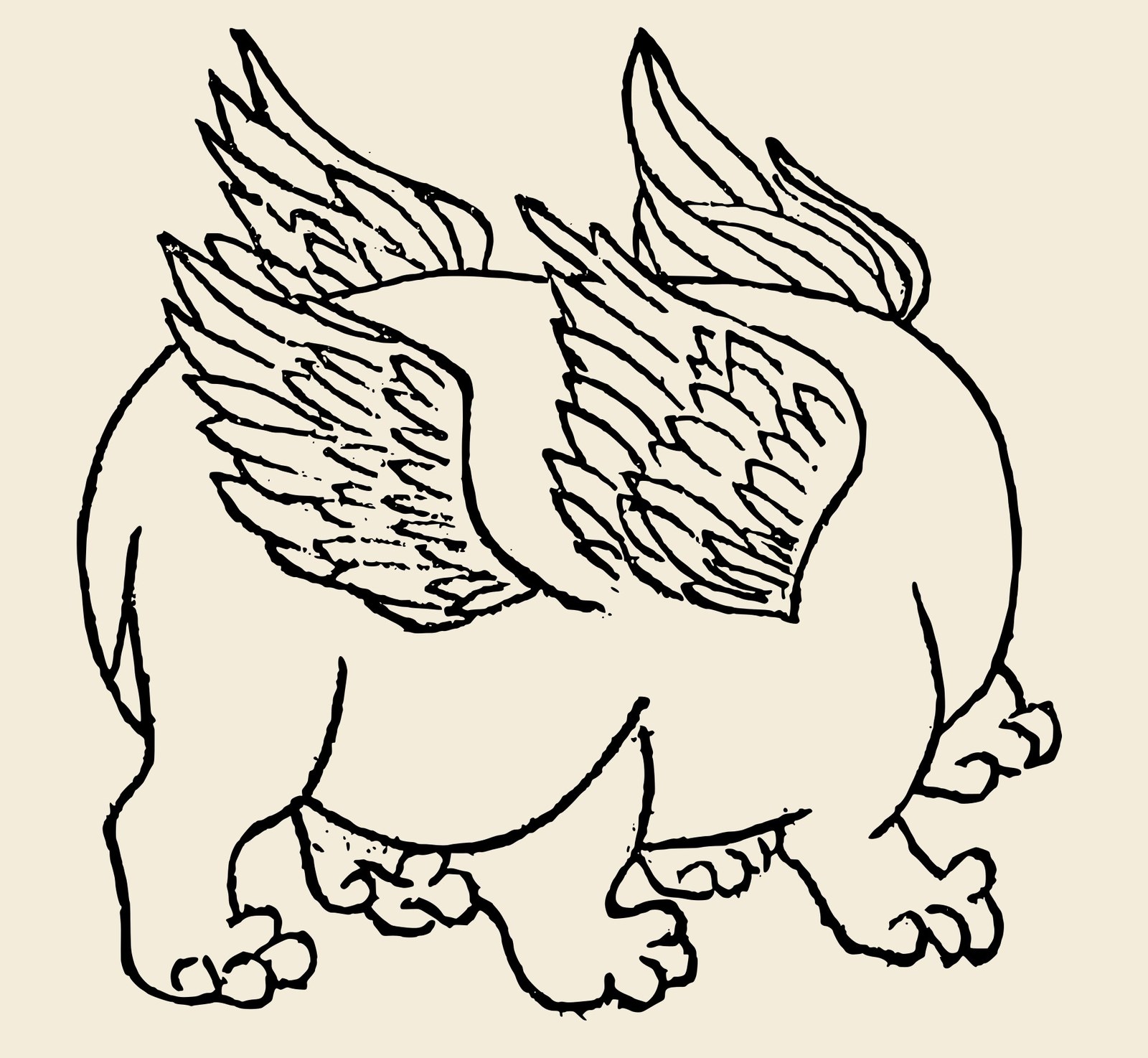
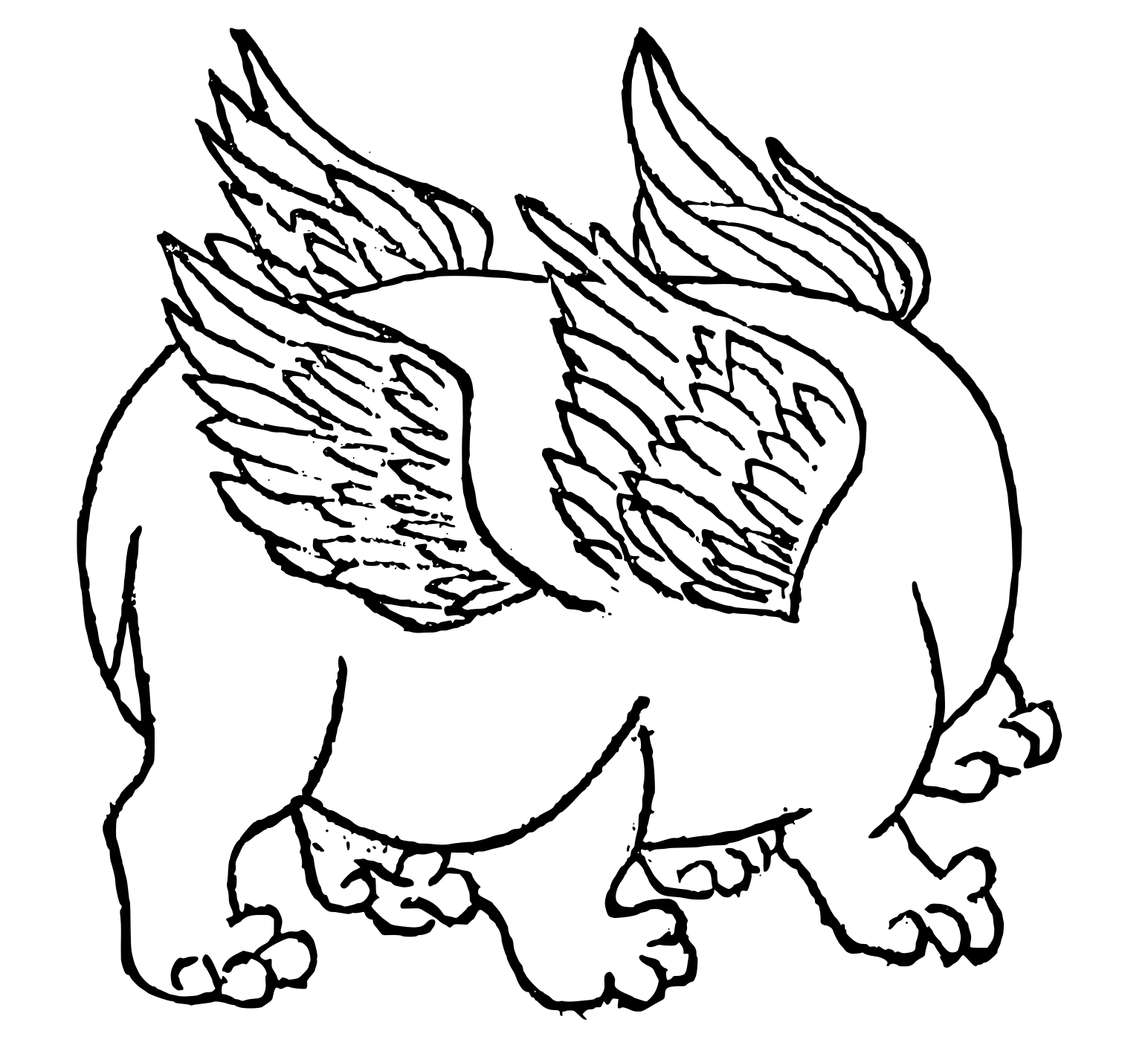
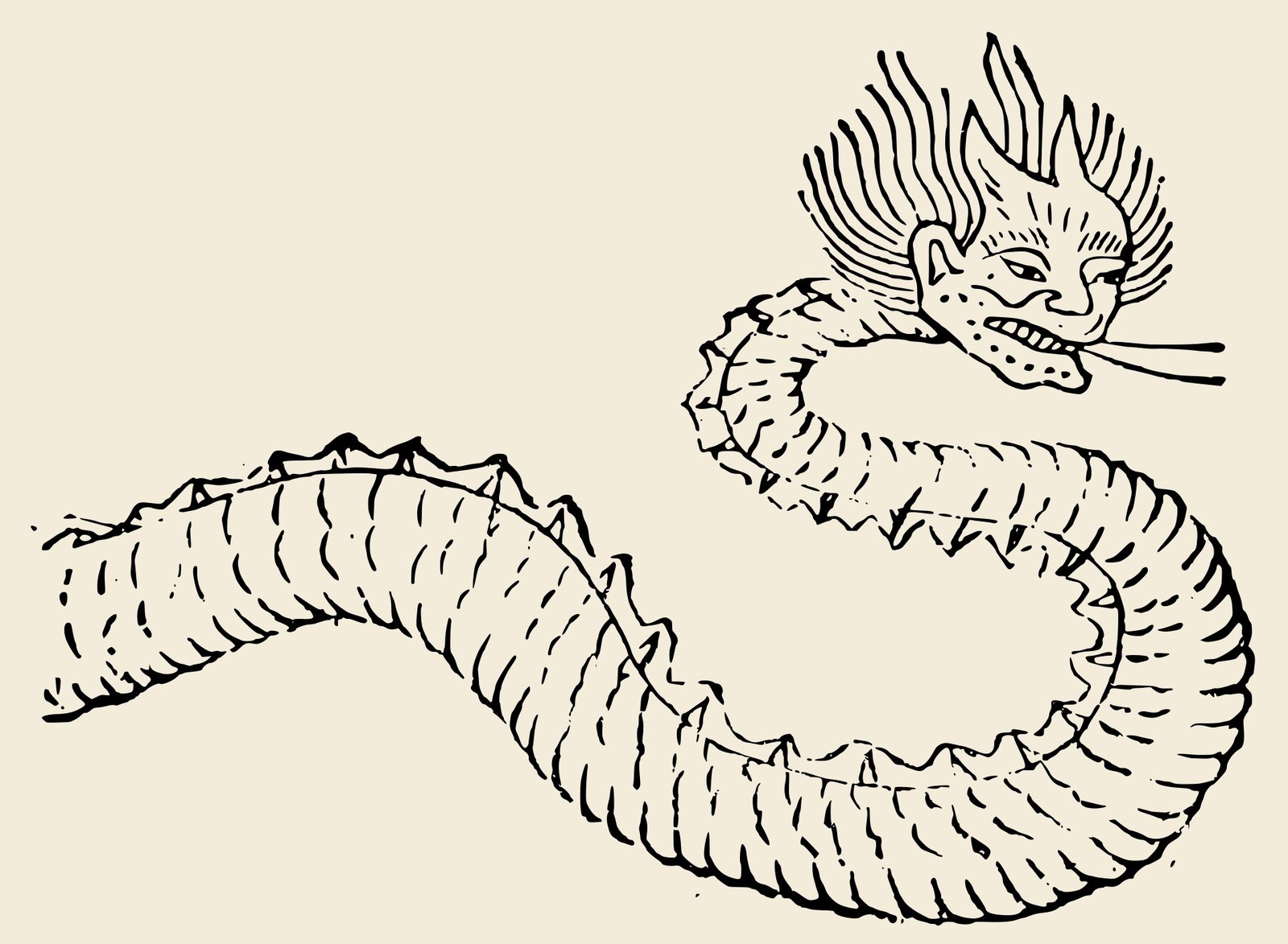
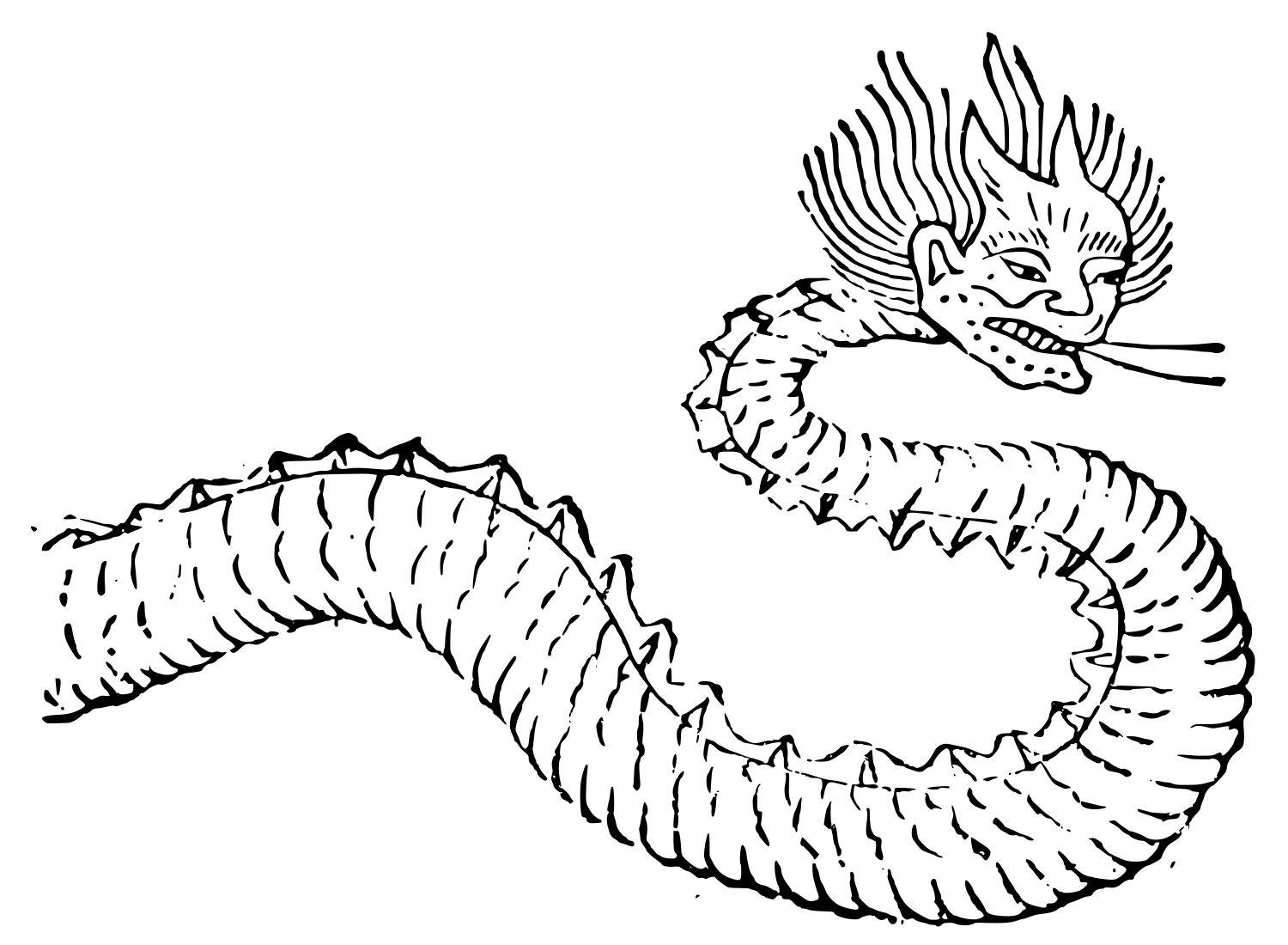
The Ming woodcutsHu Wenhuan 1593 and Jiang Yinghao c. 1597, each free to download
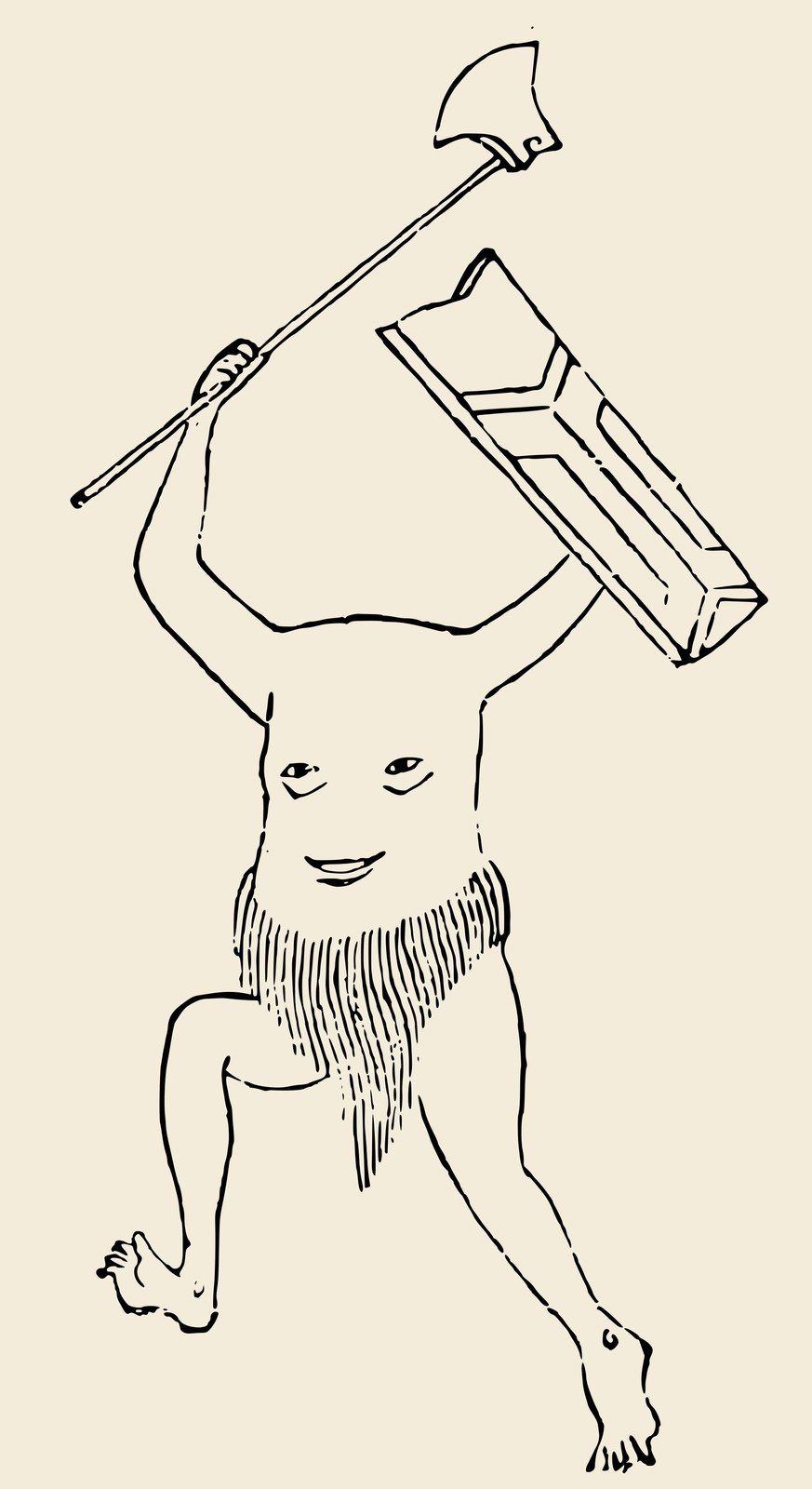
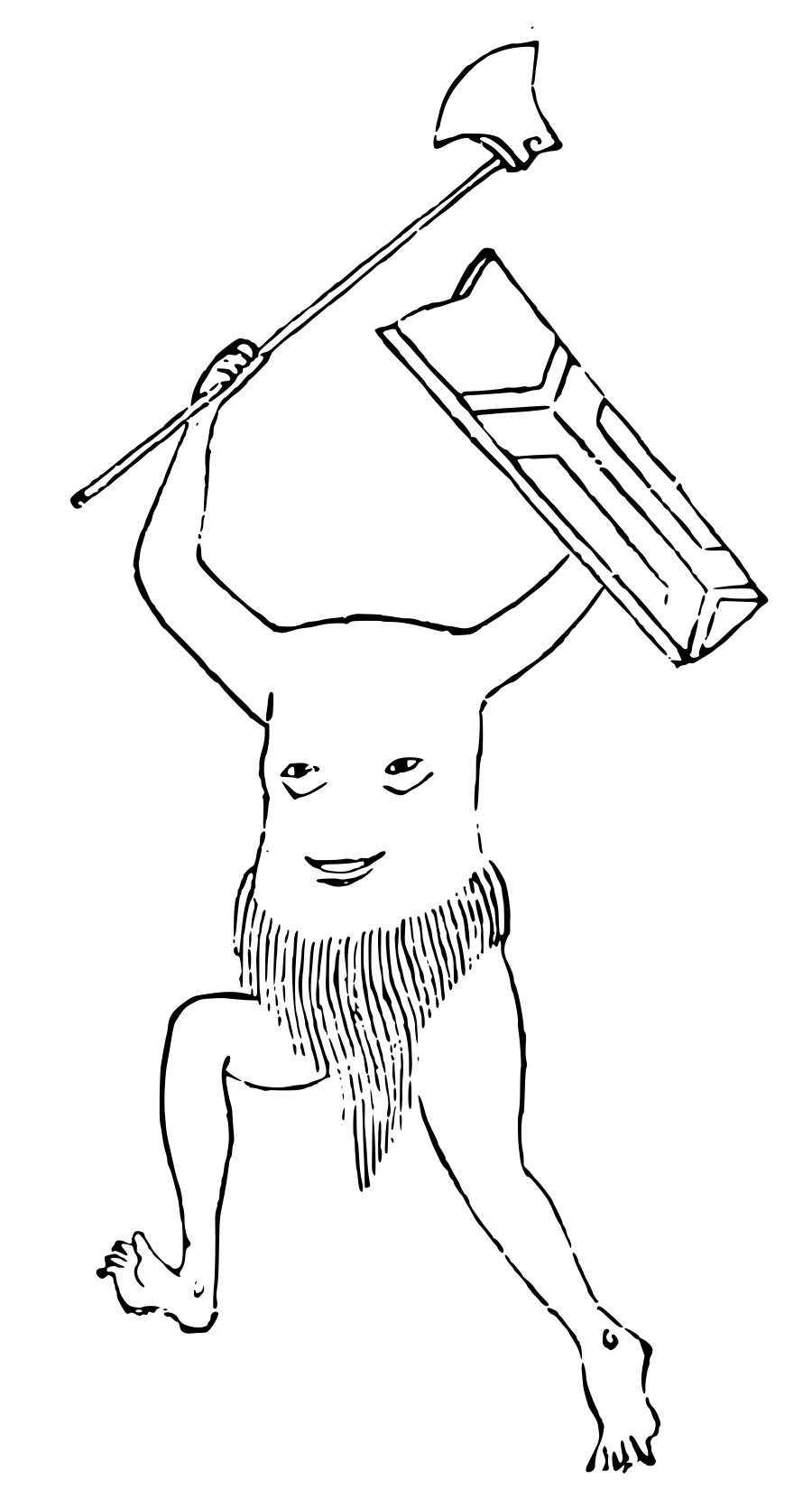
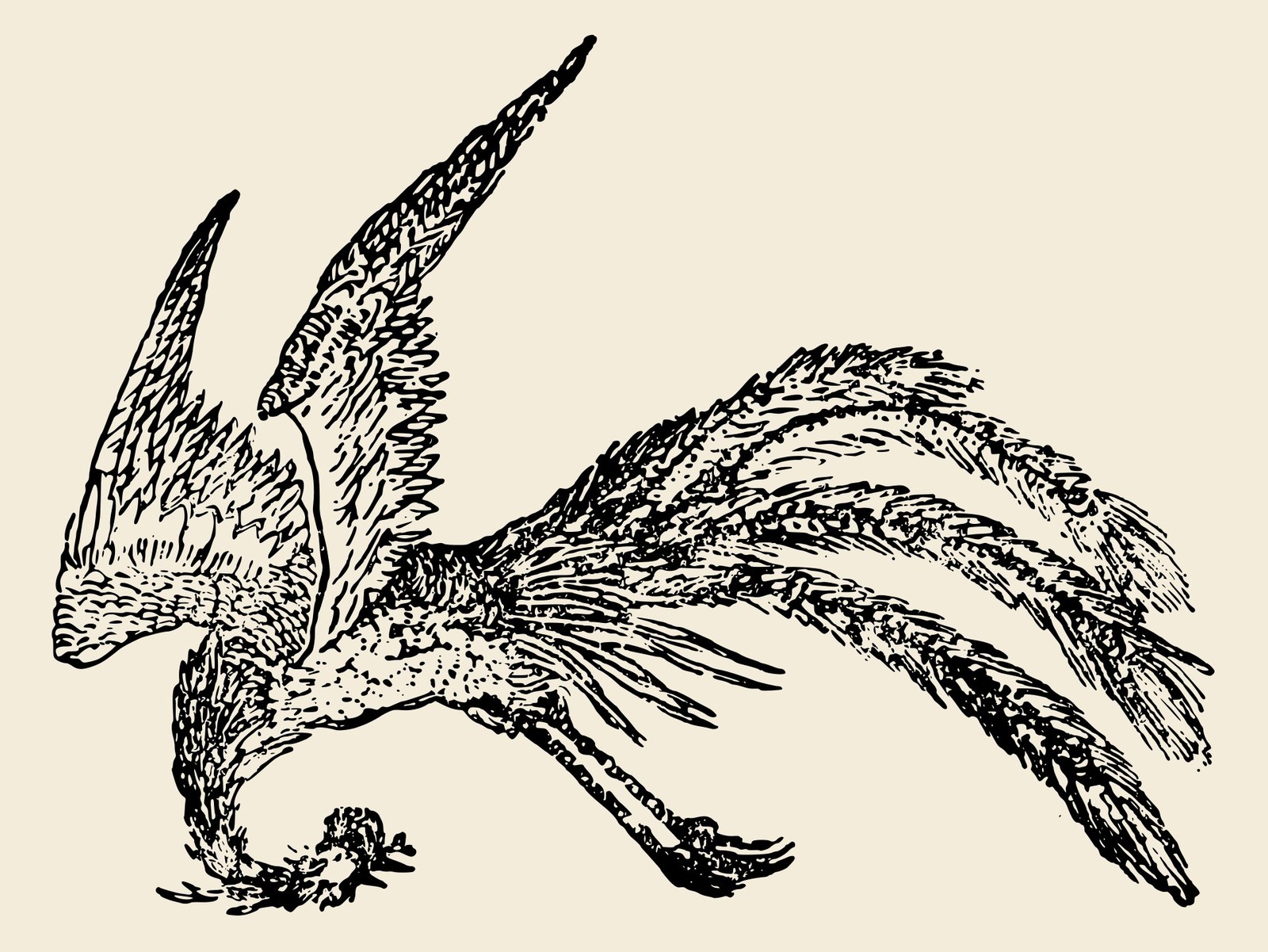
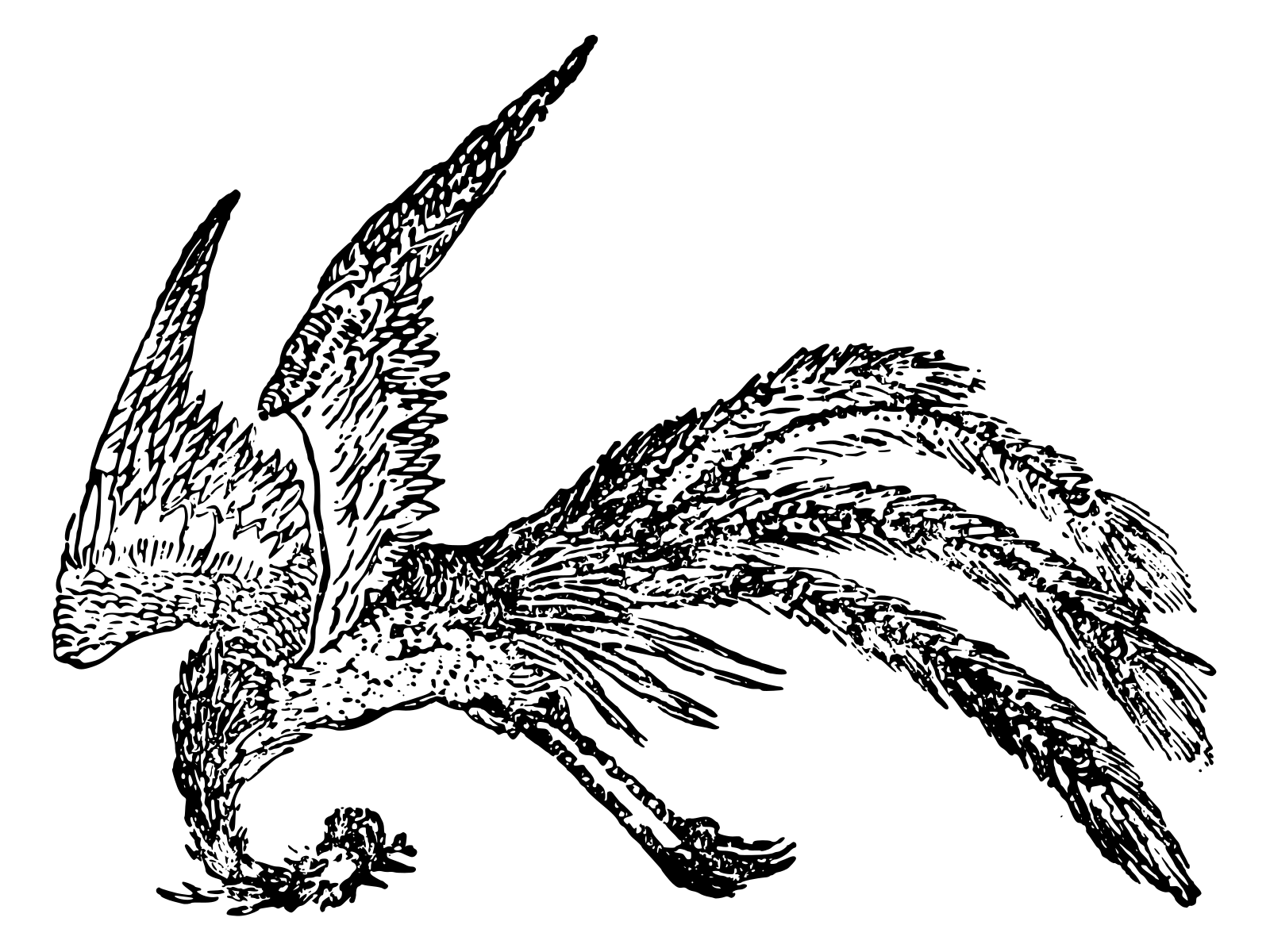
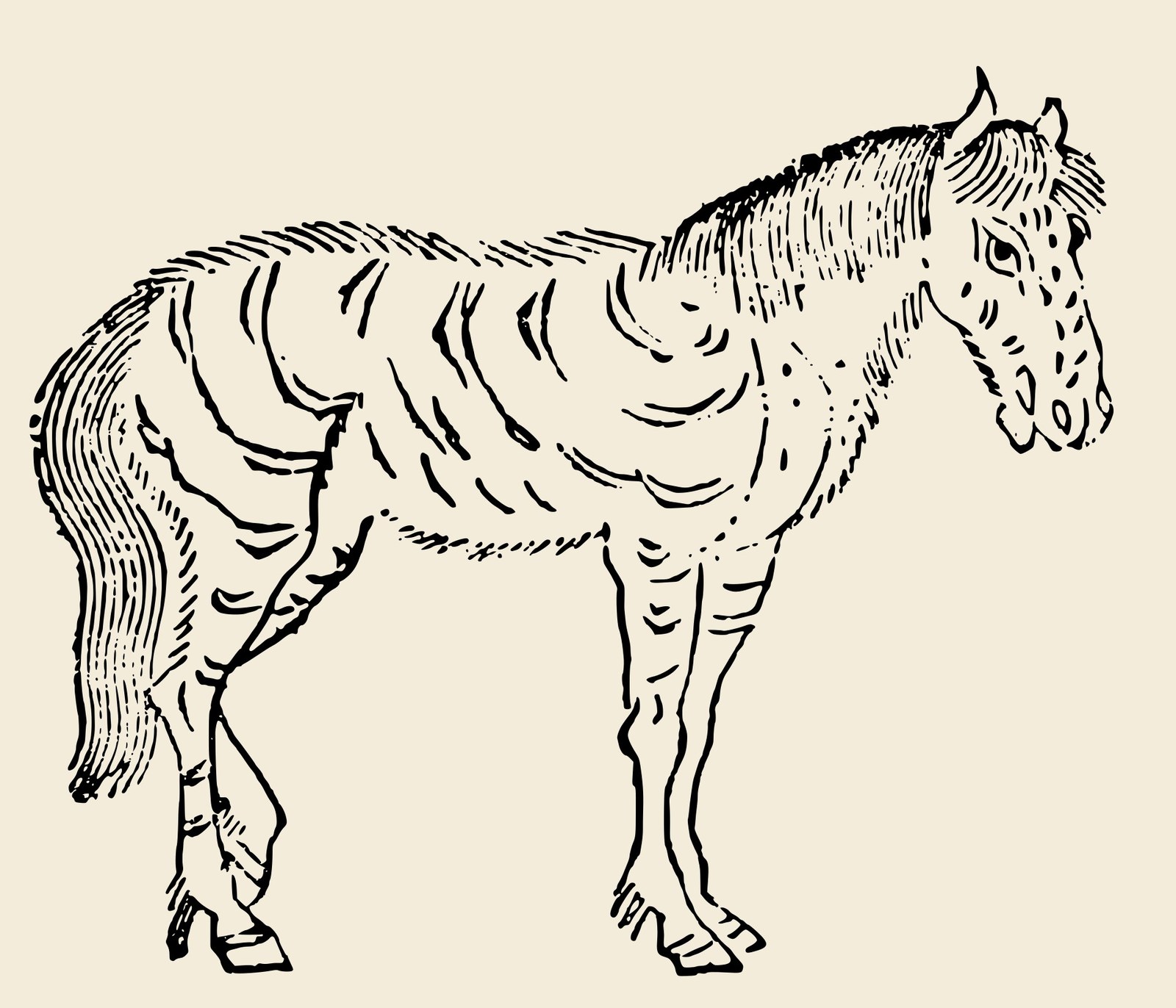
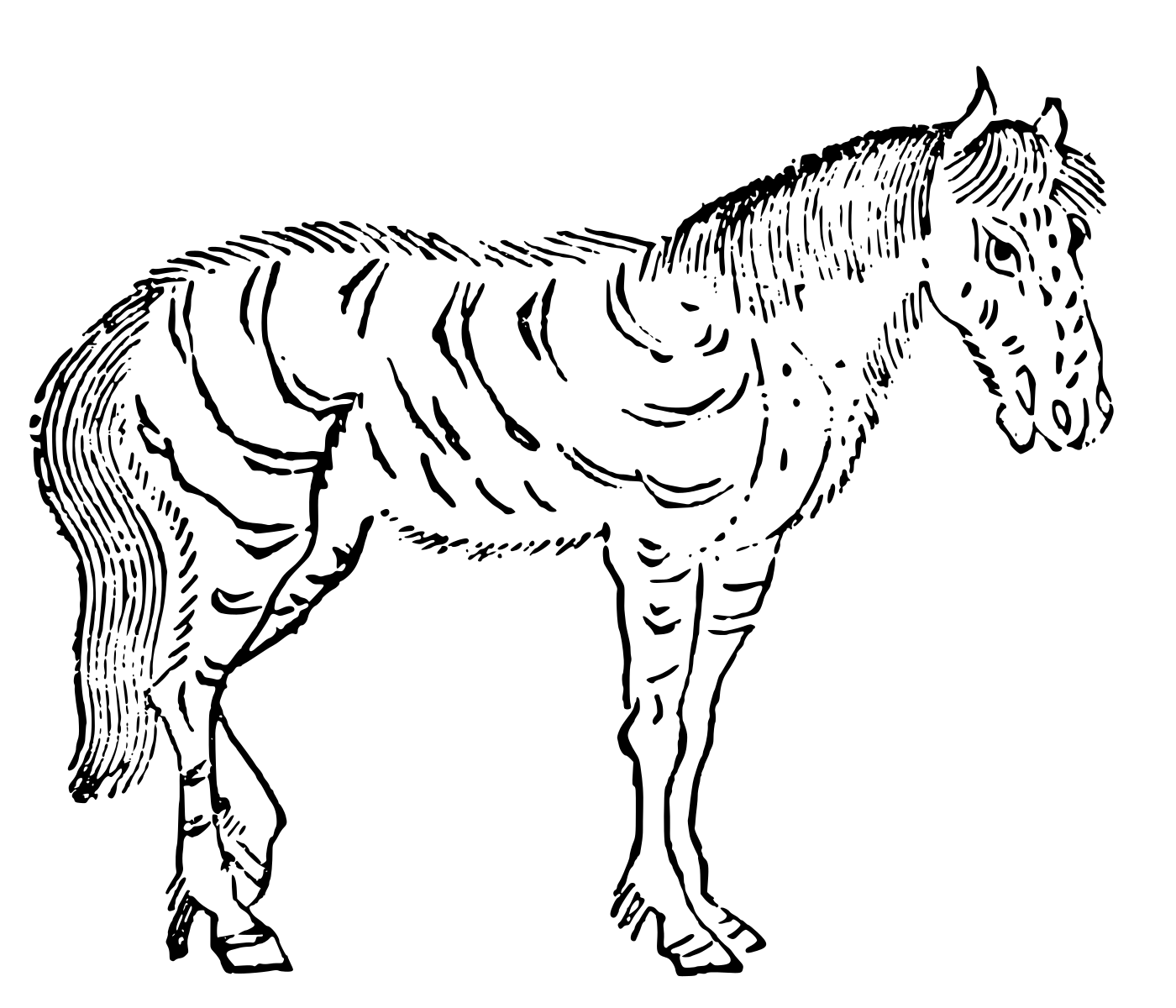
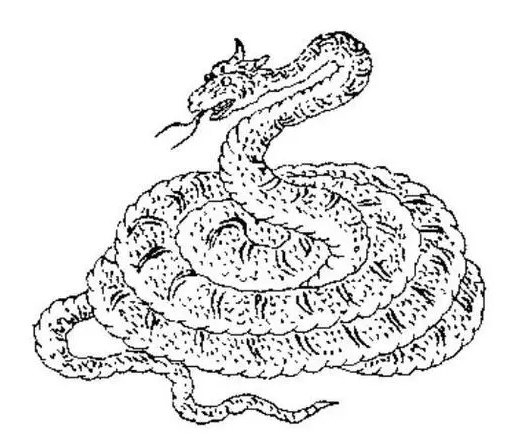
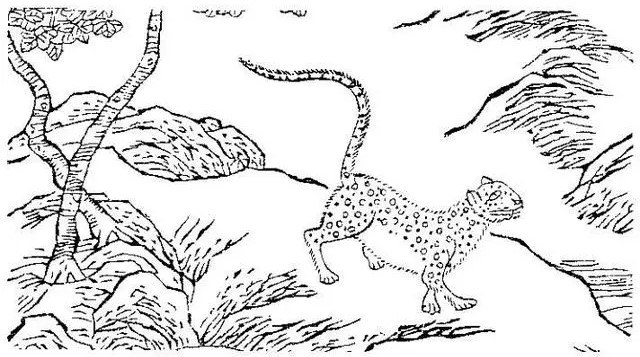
Dijiang (帝江), the faceless god shaped like a yellow sack who knows song and dance, from the Classic of the Western Mountains. After Hu Wenhuan’s Ming woodcut (1593), traced for Wikimedia Commons. Public domain. From Wikimedia Commons. Download the picture · Download the SVGZhuyin (燭陰), the torch dragon of Mount Zhong, from the Classic of the Regions Beyond the Northern Seas. After Hu Wenhuan’s Ming woodcut (1593), traced for Wikimedia Commons. Public domain. From Wikimedia Commons. Download the picture · Download the SVGXingtian (刑天), who fought the Emperor and was beheaded, from the Classic of the Regions Beyond the Western Seas. After Hu Wenhuan’s Ming woodcut (1593), traced for Wikimedia Commons. Public domain. From Wikimedia Commons. Download the picture · Download the SVGThe phoenix (鳳凰), from the Classic of the Southern Mountains. After Hu Wenhuan’s Ming woodcut (1593), traced for Wikimedia Commons. Public domain. From Wikimedia Commons. Download the picture · Download the SVGThe lushu (鹿蜀), a striped horse whose pelt brings many descendants, from the Classic of the Southern Mountains. After Hu Wenhuan’s Ming woodcut (1593), traced for Wikimedia Commons. Public domain. From Wikimedia Commons. Download the picture · Download the SVGThe qitu (鵸䳜), a crow-like bird of five colours from Mount Dai, from Jiang Yinghao’s illustrated Shan Hai Jing (Ming, c. 1597). Public domain. From Wikimedia Commons. Download the pictureThe long snake (長蛇), from Jiang Yinghao’s illustrated Shan Hai Jing (Ming, c. 1597). Public domain. From Wikimedia Commons. Download the pictureThe mengji (孟極), a leopard-like beast with a patterned forehead and a white body, from Hu Wenhuan’s Shan Hai Jing illustrations (Ming, 1593). Public domain. From Wikimedia Commons. Download the picture