
Chinese shelf · Shan Hai Jing · Book 7 of 18
海外西經 · The Classic of the Regions Beyond the Western SeasChinese with Guo Pu’s notes where the Hall has them, and a facing House English
The Chinese is the Hall’s public-domain text. The facing English is a House translation written from that Chinese on 26 November 2026. Uncertain readings are marked in the line and listed in UNCERTAIN.md.

Chinese Siku Quanshu text, Hall wording
海外西經
海外自西南陬至西北陬者。
滅蒙鳥在結匈國北,為鳥青,赤尾。
大運山高三百仞,在滅蒙鳥北。
大樂之野,夏后啟于此儛九代;乘兩龍,雲蓋三層。左手操翳,右手操環,佩玉璜。在大運山北。一曰大遺之野。
三身國在夏后啟北,一首而三身。
一臂國在其北,一臂、一目、一鼻孔。有黃馬虎文,一目而一手。
奇肱之國在其北,其人一臂三目,有陰有陽,乘文馬。有鳥焉,兩頭,赤黃色,在其旁。
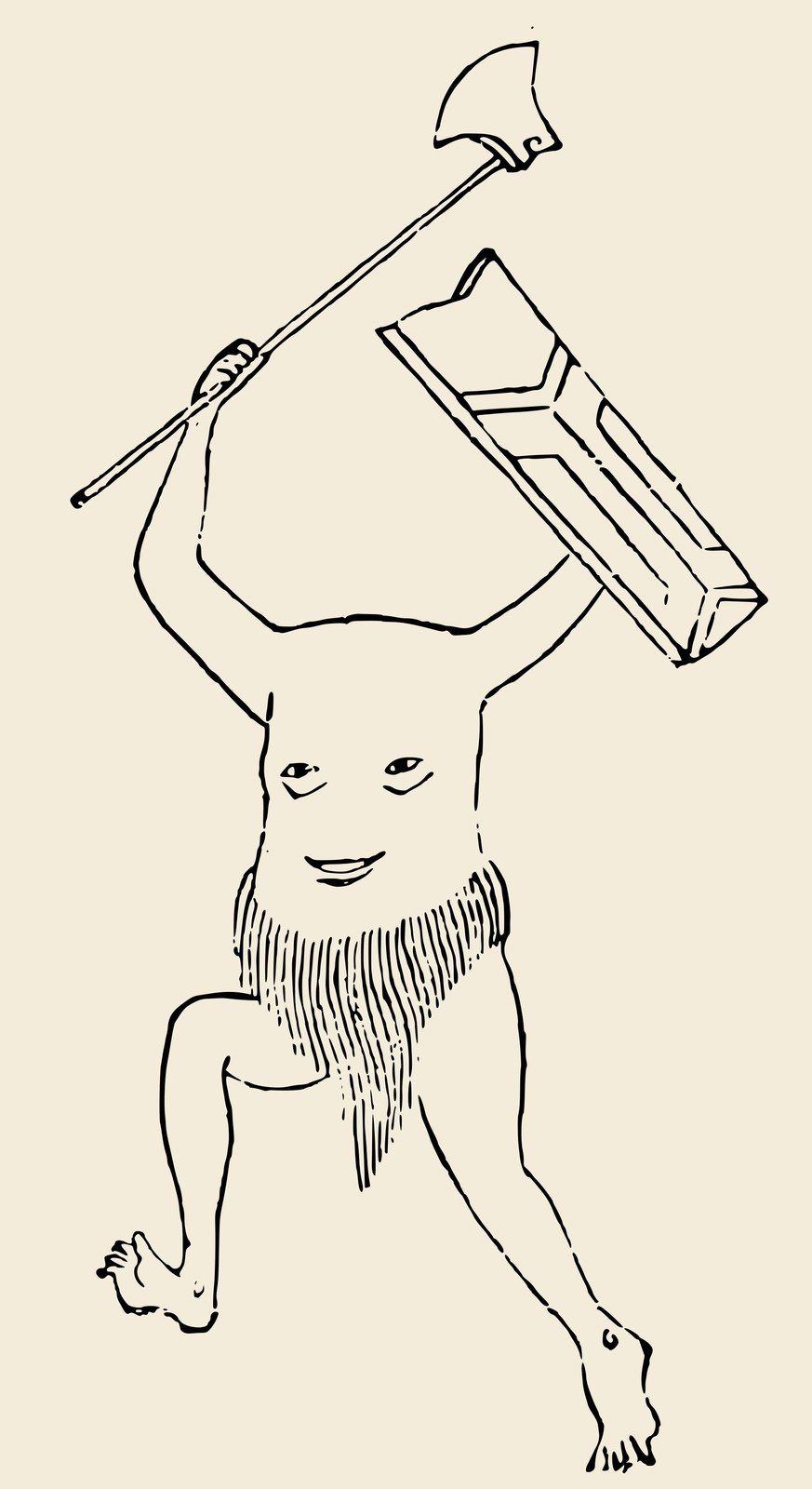
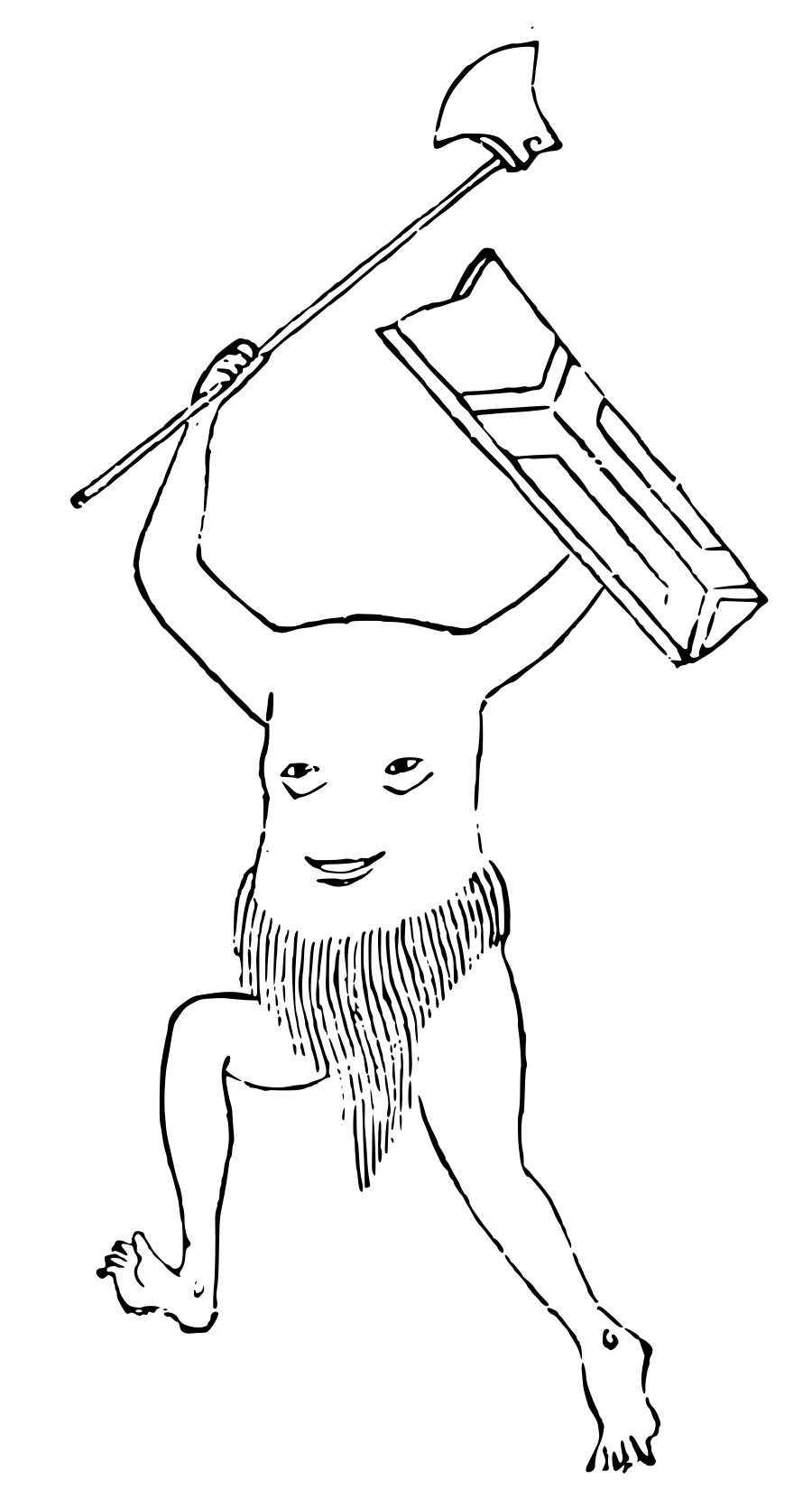
刑天與帝爭神,帝斷其首,葬之常羊之山,乃以乳為目,以臍為口,操干戚以舞。
女祭、女戚在其北,居兩水閒,戚操魚觛,祭操俎。
䳐鳥、𪆻鳥,其色青黃,所經國亡。在女祭北。䳐鳥人面,居山上。一曰維鳥,青鳥、黃鳥所集。
丈夫國在維鳥北,其為人衣冠帶劍。
女丑之屍,生而十日炙殺之。在丈夫北。以右手鄣其面。十日居上,女丑居山之上。
巫咸國在女丑北,右手操青蛇,左手操赤蛇。在登葆山,群巫所從上下也。
并封在巫咸東,其狀如彘,前後皆有首,黑。
女子國在巫咸北,兩女子居,水周之。一曰居一門中。
軒轅之國在之際,其不壽者八百歲。在女子國北。人面蛇身,尾交首上。
窮山在其北,不敢西射,畏軒轅之丘。在軒轅國北。其丘方,四蛇相繞。
諸夭之野,鸞鳥自歌,鳳鳥自舞;鳳皇卵,民食之;甘露,民飲之,所欲自從也。百獸相與群居。在四蛇北。其人兩手操卵食之,兩鳥居前導之。
龍魚陵居在其北,狀如狸。一曰鰕。即有神聖乘此以行九野。一曰鼈魚在夭野北,其為魚也如鯉。
白民之國在龍魚北,白身披髮。有乘黃,其狀如狐,其背上有角,乘之壽二千歲。
肅慎之國在白民北,有樹名曰雒棠,聖人代立,于此取衣。
長股之國在雒棠北,被髮。一曰長腳。
西方蓐收,左耳有蛇,乘兩龍。
English House translation, 26 Nov 2026
Beyond the seas, from the southwest corner to the northwest corner:
The Miemeng bird (滅蒙鳥) is north of the Country of the Knotted Chest; as a bird it is blue-green, with a red tail.
Dayun Mountain (大運山) is three hundred ren high; it is north of the Miemeng bird.
The Wild of Great Music (大樂之野): Qi, the Xia Hou (夏后啟), danced the Nine Dai (九代) here; he rides two dragons, with a cloud-cover of three layers. The left hand holds a yi-screen (翳); the right hand holds a ring; he wears a jade huang (璜). It is north of Dayun Mountain. One saying: the Wild of Dayi (大遺之野).
The Country of Three Bodies (三身國) is north of Qi, the Xia Hou; one head and three bodies.
The Country of One Arm (一臂國) is to its north: one arm, one eye, one nostril. There is a yellow horse with tiger markings, one eye and one foreleg.
The Country of the Odd Upper Arm (奇肱之國) is to its north; its people have one arm and three eyes, having yin and having yang; they ride a marked horse. There is a bird there, with two heads, red-yellow in colour, at their side.
Xingtian (刑天) contended with the Emperor for spirit-power; the Emperor cut off his head and buried it at Changyang Mountain (常羊之山); he then took his breasts as eyes, took his navel as a mouth, and holding a shield and a battle-axe, danced.
Nüji (女祭) and Nüqi (女戚) are to its north, dwelling between two waters; Qi holds a fish dan (觛); Ji holds a zu-stand (俎).
The yuan-bird (䳐鳥) and the yu-bird (𪆻鳥): their colour is blue-green and yellow; the countries they pass through perish. They are north of Nüji. The yuan-bird has a human face and dwells on a mountain. One saying: the Wei birds (維鳥), where blue-green birds and yellow birds gather.
The Country of Husbands (丈夫國) is north of the Wei birds; its people wear clothes and cap, and a sword at the sash.
The corpse of Nüchou (女丑之屍): while living, the ten suns roasted her and killed her. It is north of the Husbands. With the right hand she screens her face. The ten suns are above; Nüchou is on the top of a mountain.
The Country of Wuxian (巫咸國) is north of Nüchou; the right hand holds a blue-green snake, the left hand holds a red snake. It is at Dengbao Mountain (登葆山), that by which the flock of shamans go up and down.
The Bingfeng (并封) is east of Wuxian, shaped like a swine, with a head at both front and back, black.
The Country of Women (女子國) is north of Wuxian; two women dwell there, and water goes around them. One saying: they dwell within one gate.
The Country of Xuanyuan (軒轅之國) is at its border; those among them who are not long-lived are eight hundred years. It is north of the Country of Women. A human face and a snake’s body; the tail is crossed upon the head.
Qiong Mountain (窮山) is to its north; they dare not shoot to the west, fearing the Mound of Xuanyuan. It is north of the Country of Xuanyuan. The mound is square; four snakes wind about one another.
The Wild of the Several Yao (諸夭之野): the luan-bird sings of itself, the feng-bird dances of itself; the eggs of the fenghuang, the people eat them; sweet dew, the people drink it; what they desire follows of itself. The hundred beasts dwell with one another in flocks. It is north of the four snakes. Its people hold eggs in both hands and eat them; two birds go before and lead them.
The dragon-fish lives on the heights, to the north; it is shaped like a wildcat. One saying: a xia (鰕). Thereupon there are sages and spirits who ride this to go through the nine wilds. One saying: the bie-fish (鼈魚) is north of the Yao wild; as a fish it is like a carp.
The Country of the White People (白民之國) is north of the dragon-fish; white bodies and loose hair. There is the Chenghuang (乘黃), shaped like a fox; on its back there is a horn; if one rides it, one lives two thousand years.
The Country of Sushen (肅慎之國) is north of the White People; there is a tree named Luotang (雒棠); when a sage in turn is set up, they take clothing from it.
The Country of Long Thighs (長股之國) is north of Luotang; they wear the hair loose. One saying: Long Legs.
In the west, Rushou (蓐收): in the left ear there is a snake; he rides two dragons.
Chinese: the Hall text of 山海經, Siku Quanshu edition with Guo Pu’s commentary where the Hall page has it, via Chinese Wikisource (public domain; marked 75% proofread there), taken read-only from the live pages on 26 November 2026. Chinese Wikisource. English: House translation, HOUSE RUEZALS, 26 November 2026, written from that Hall Chinese; not taken from any modern in-copyright English translation. Pictures: the Hall’s Ming woodcuts of Hu Wenhuan (1593) and Jiang Yinghao (c. 1597), via Wikimedia Commons (public domain).